
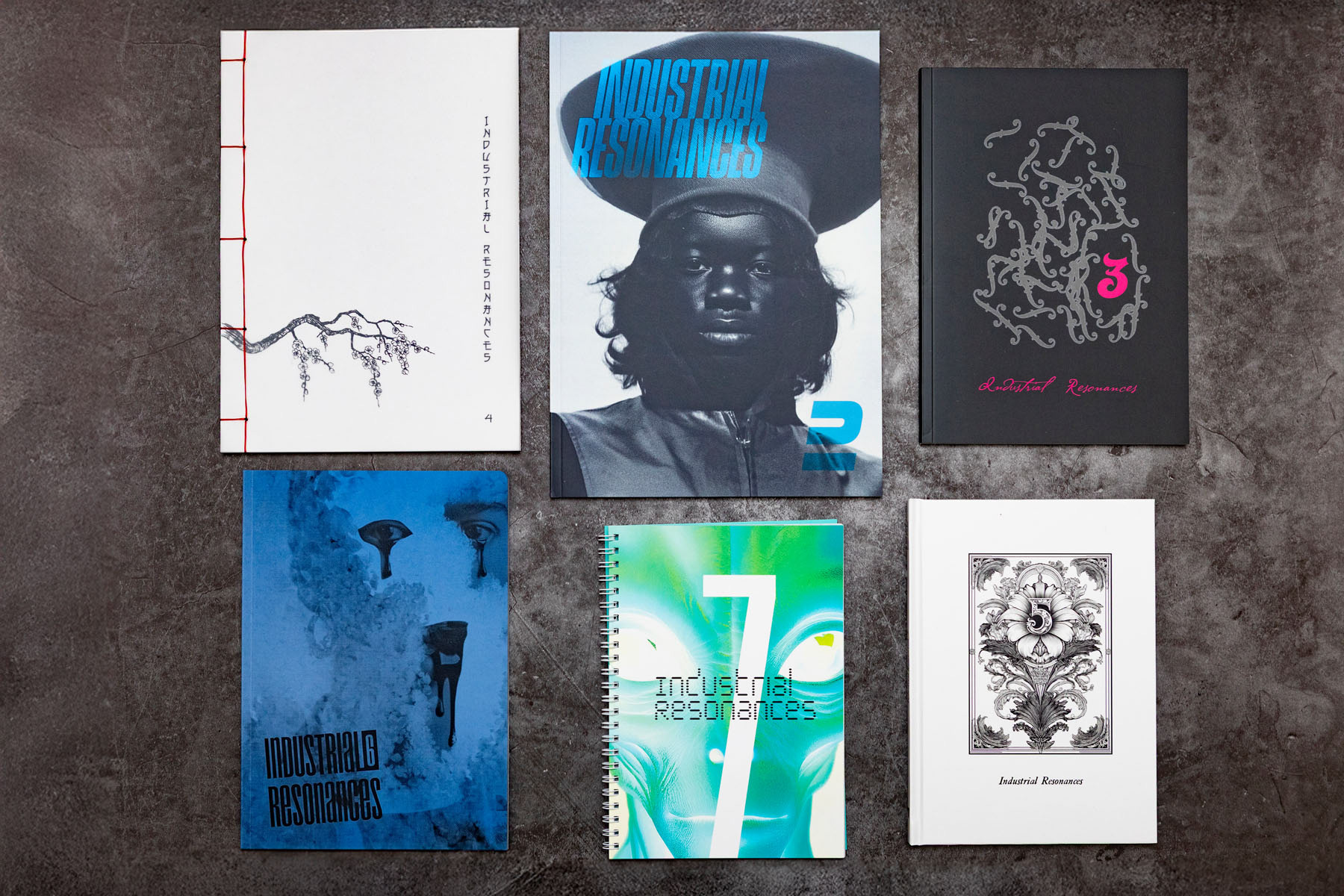
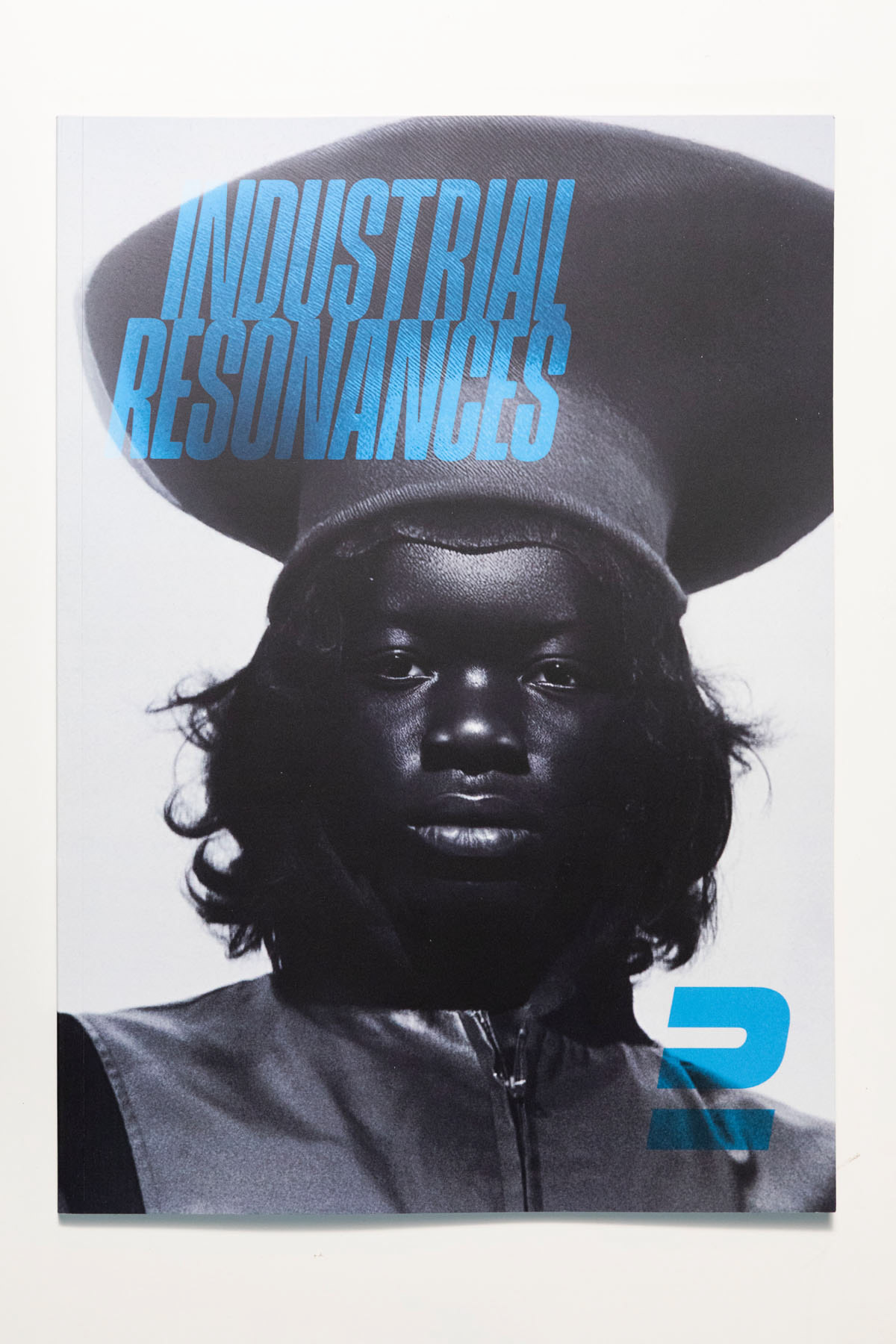


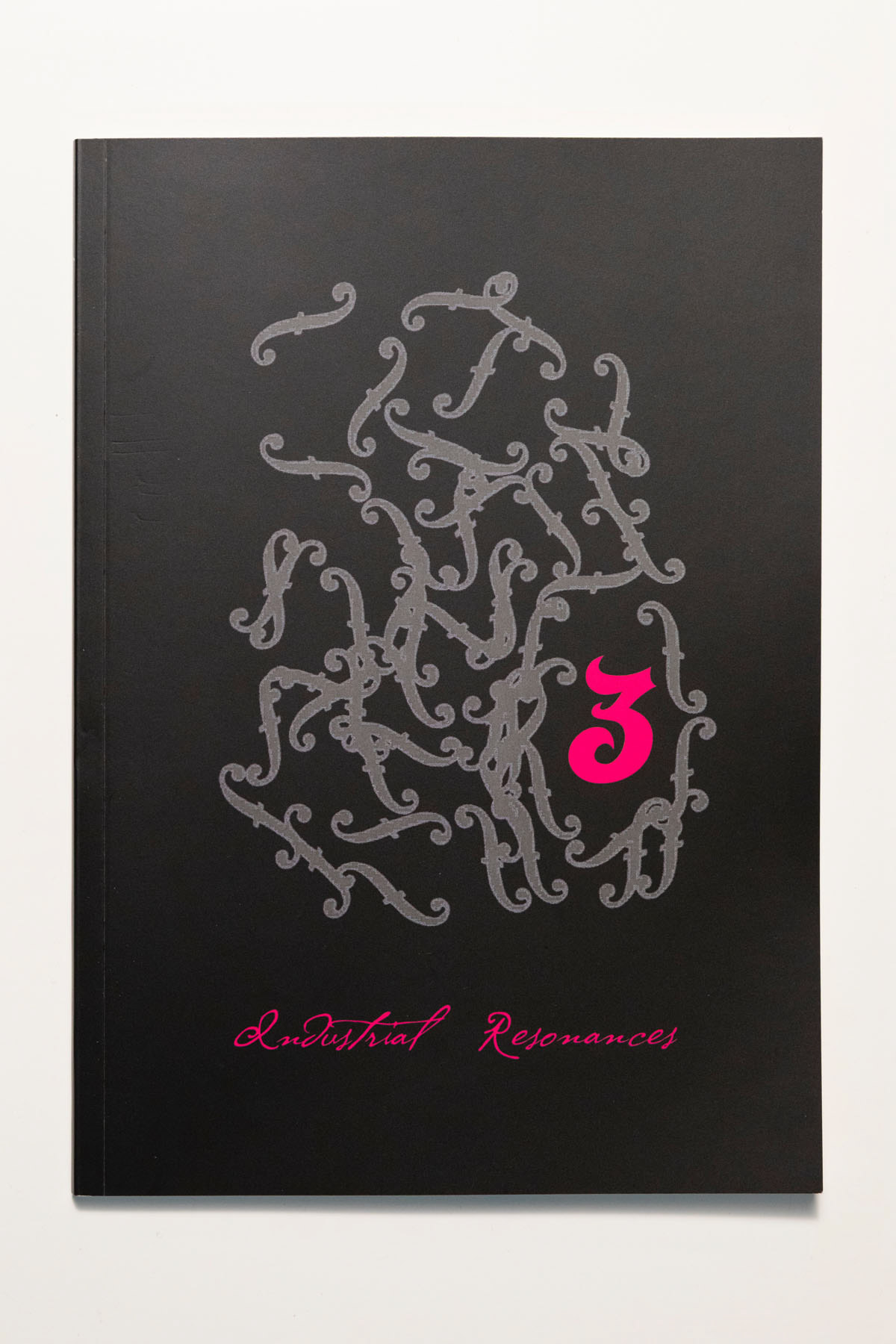
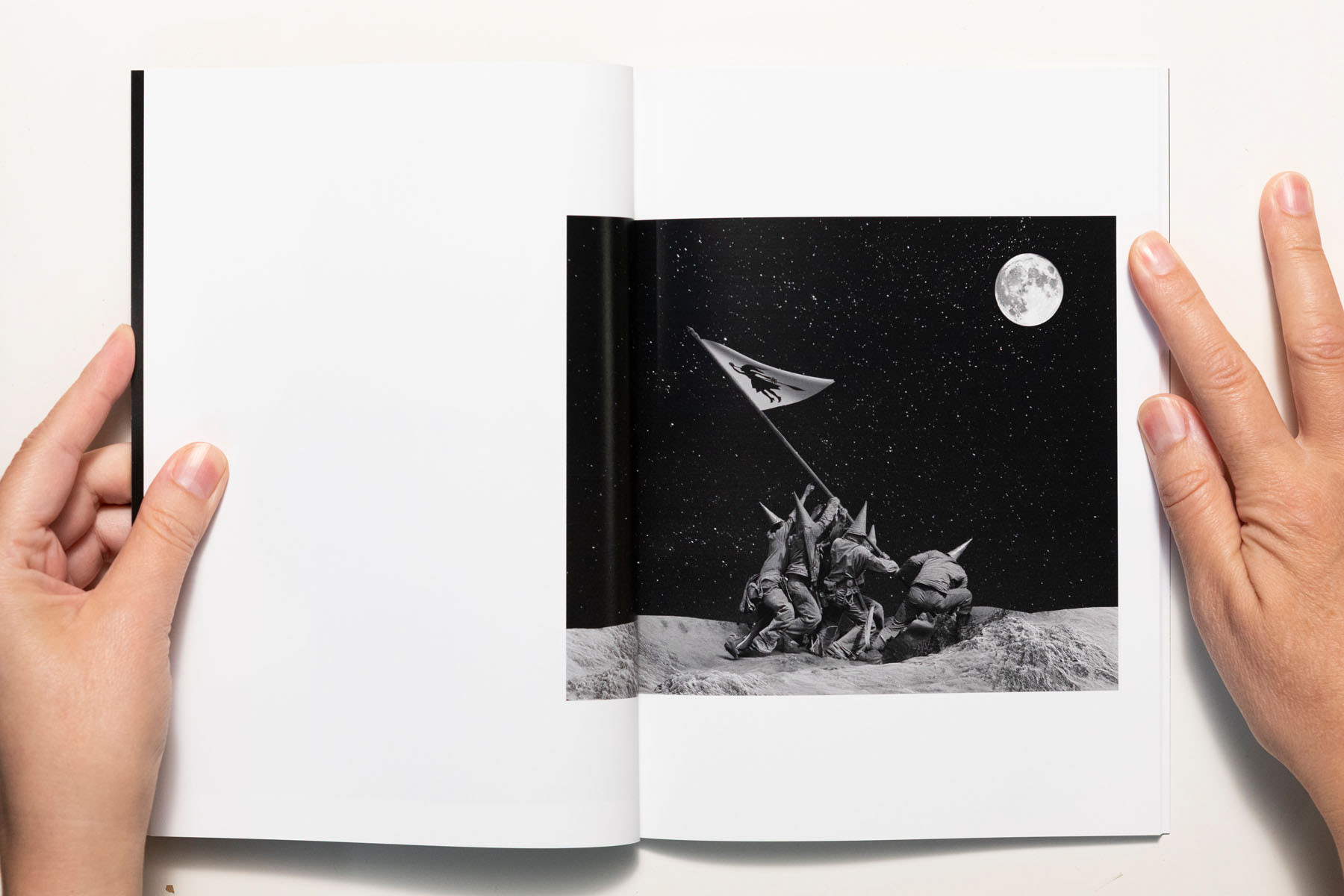

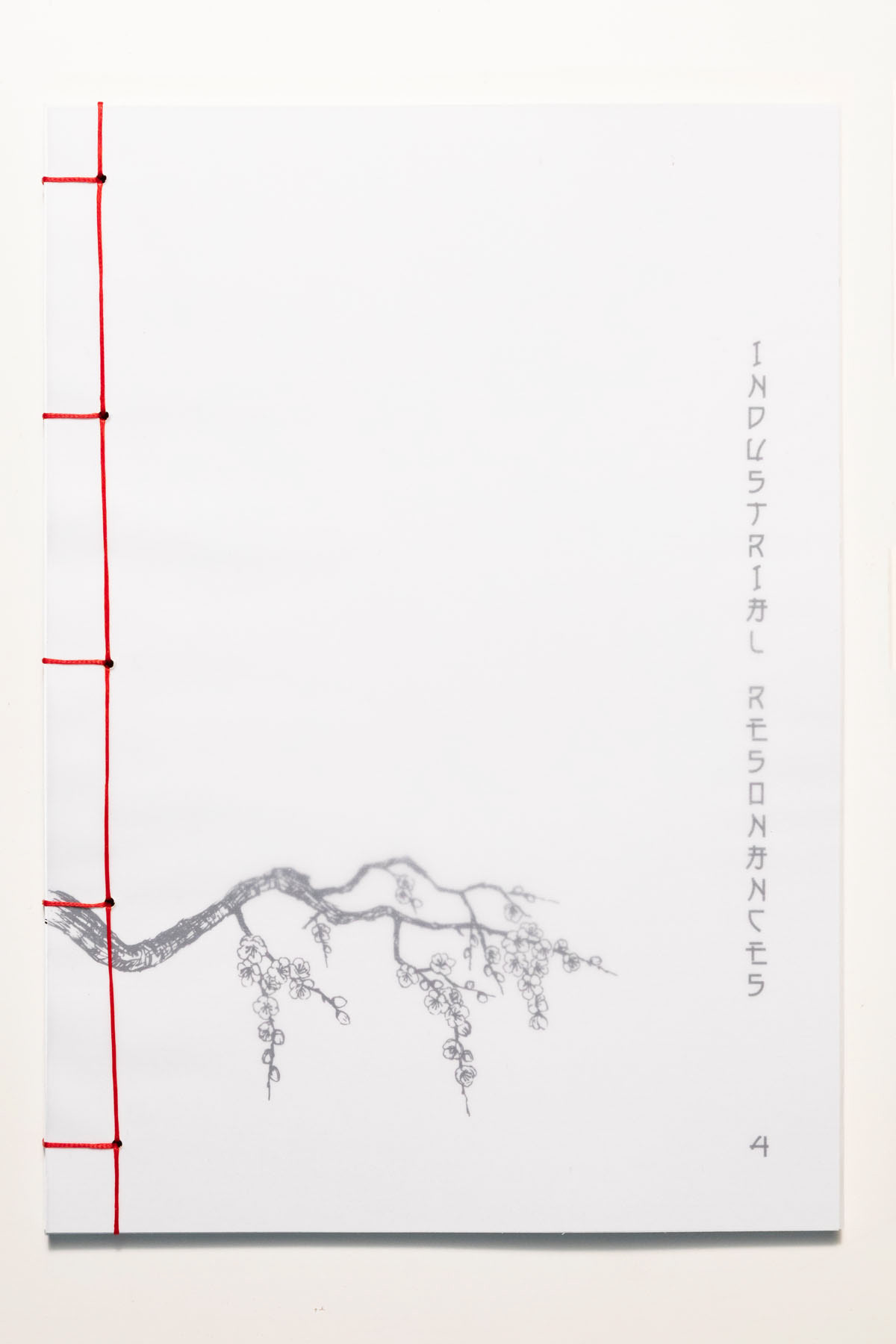


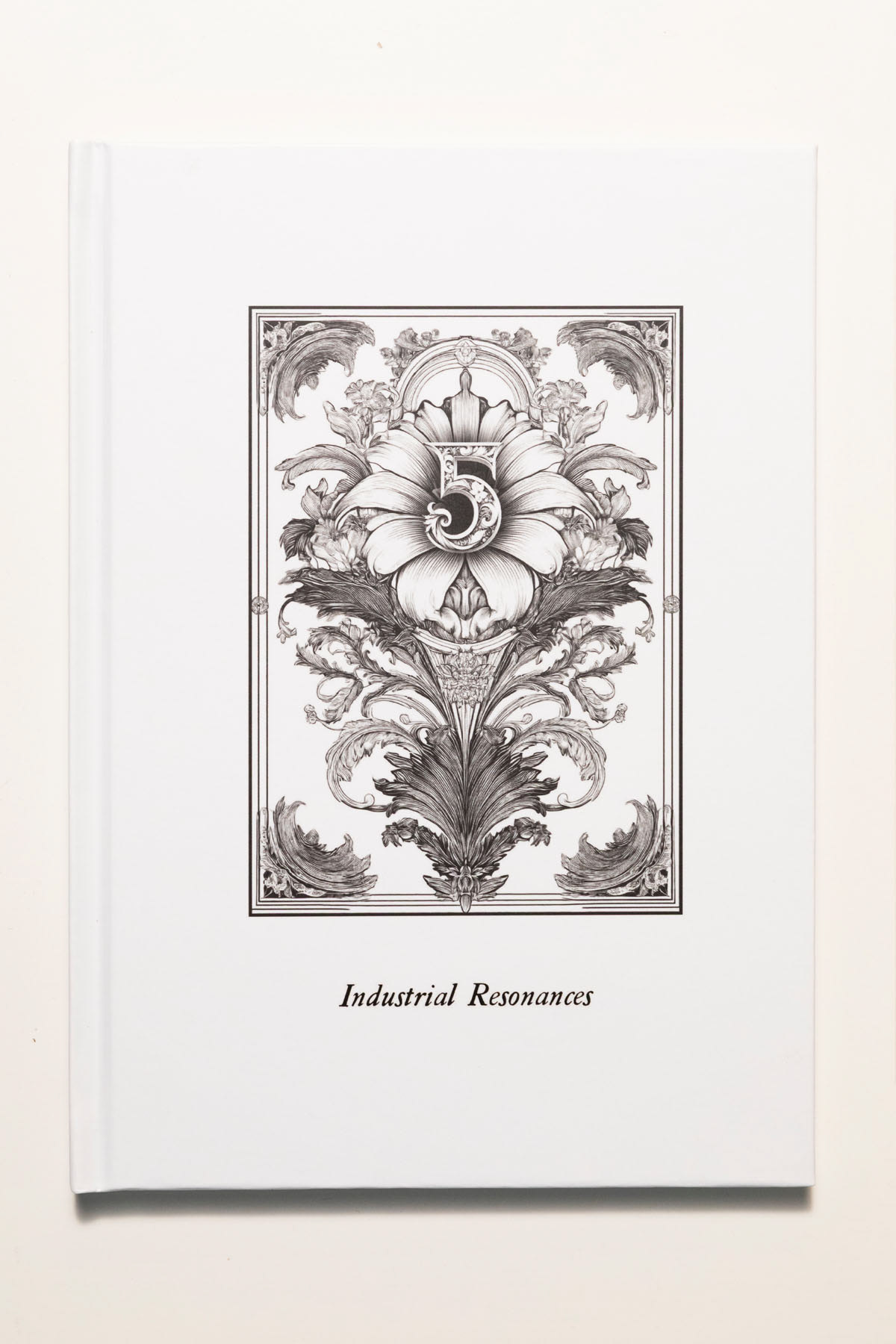
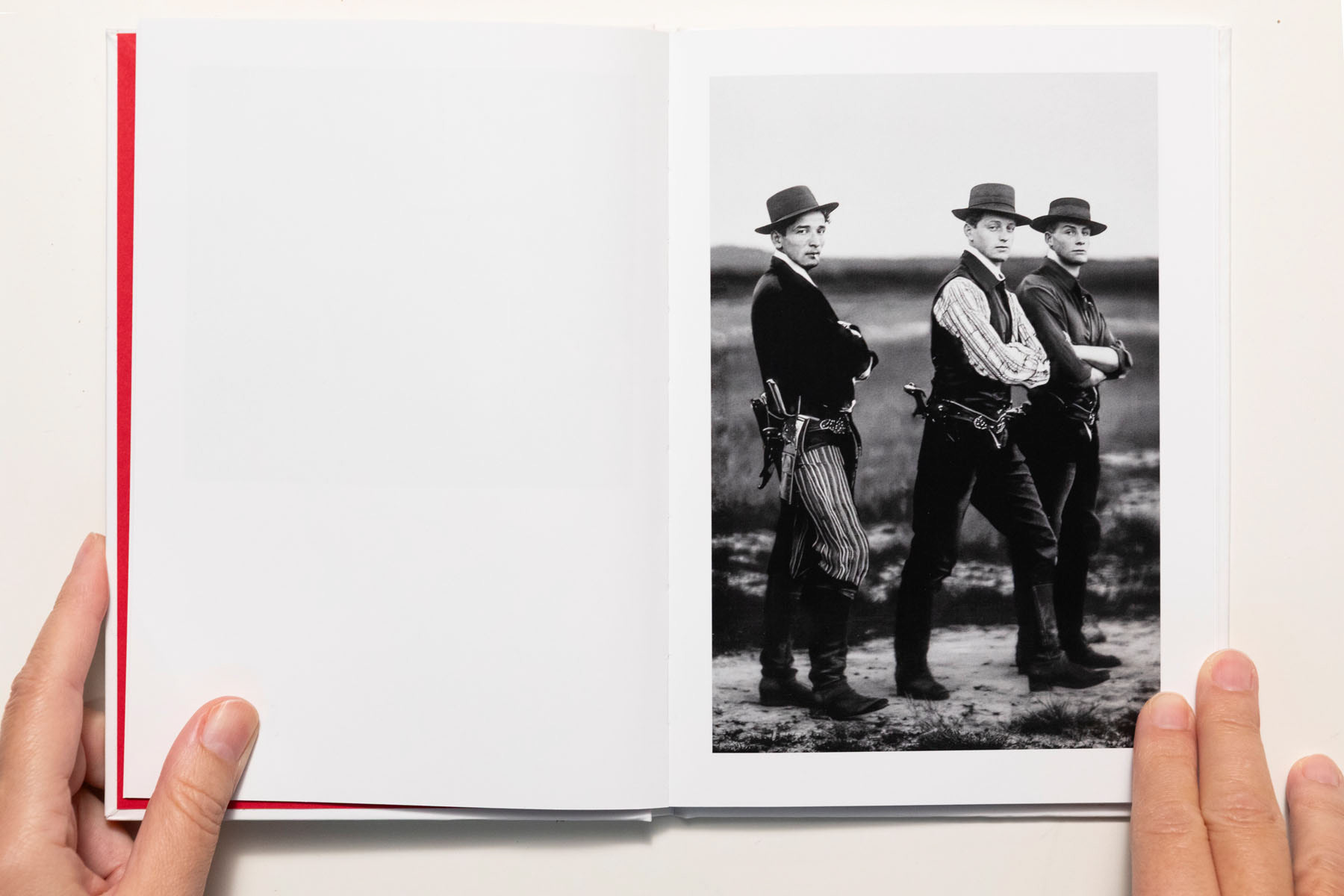

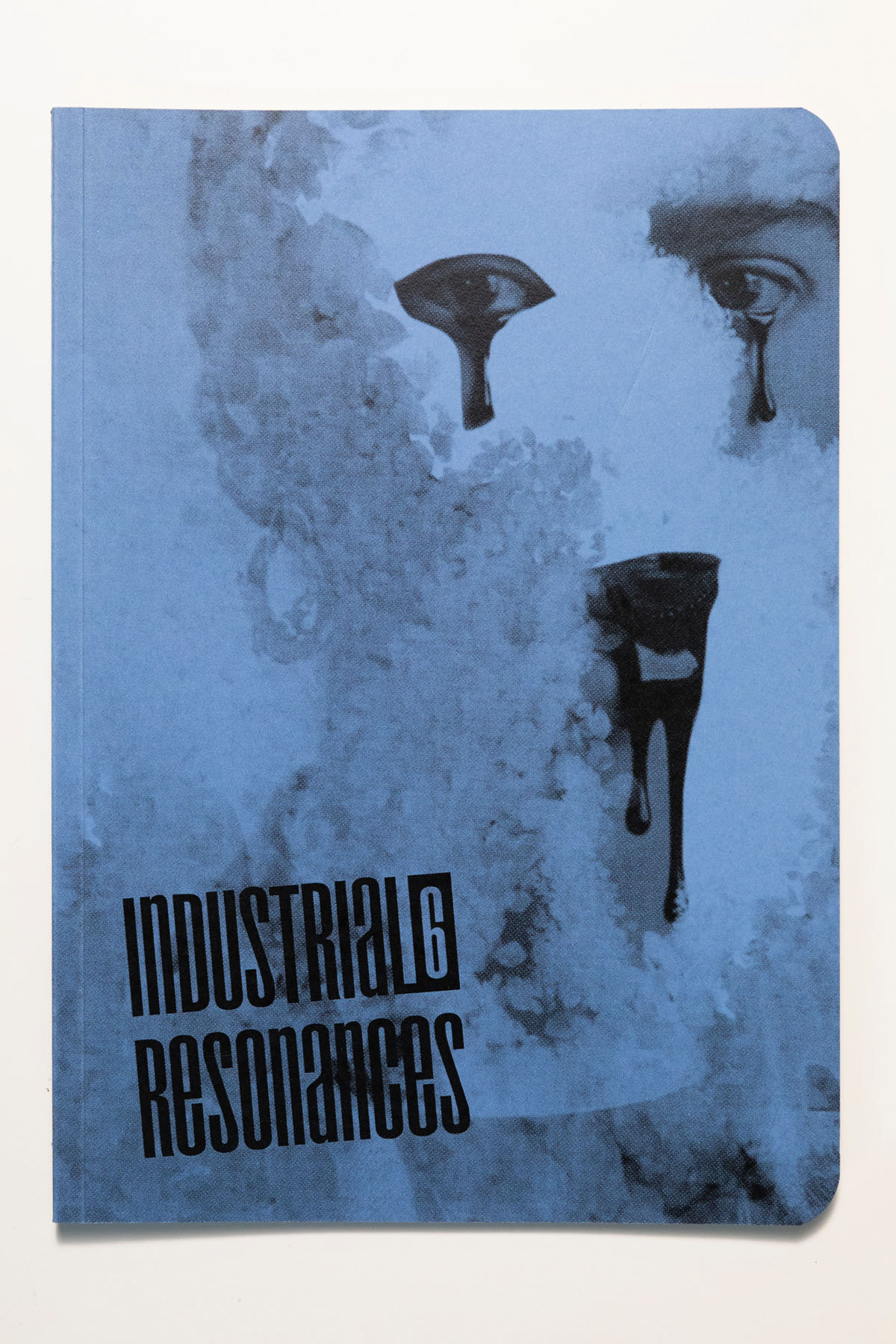
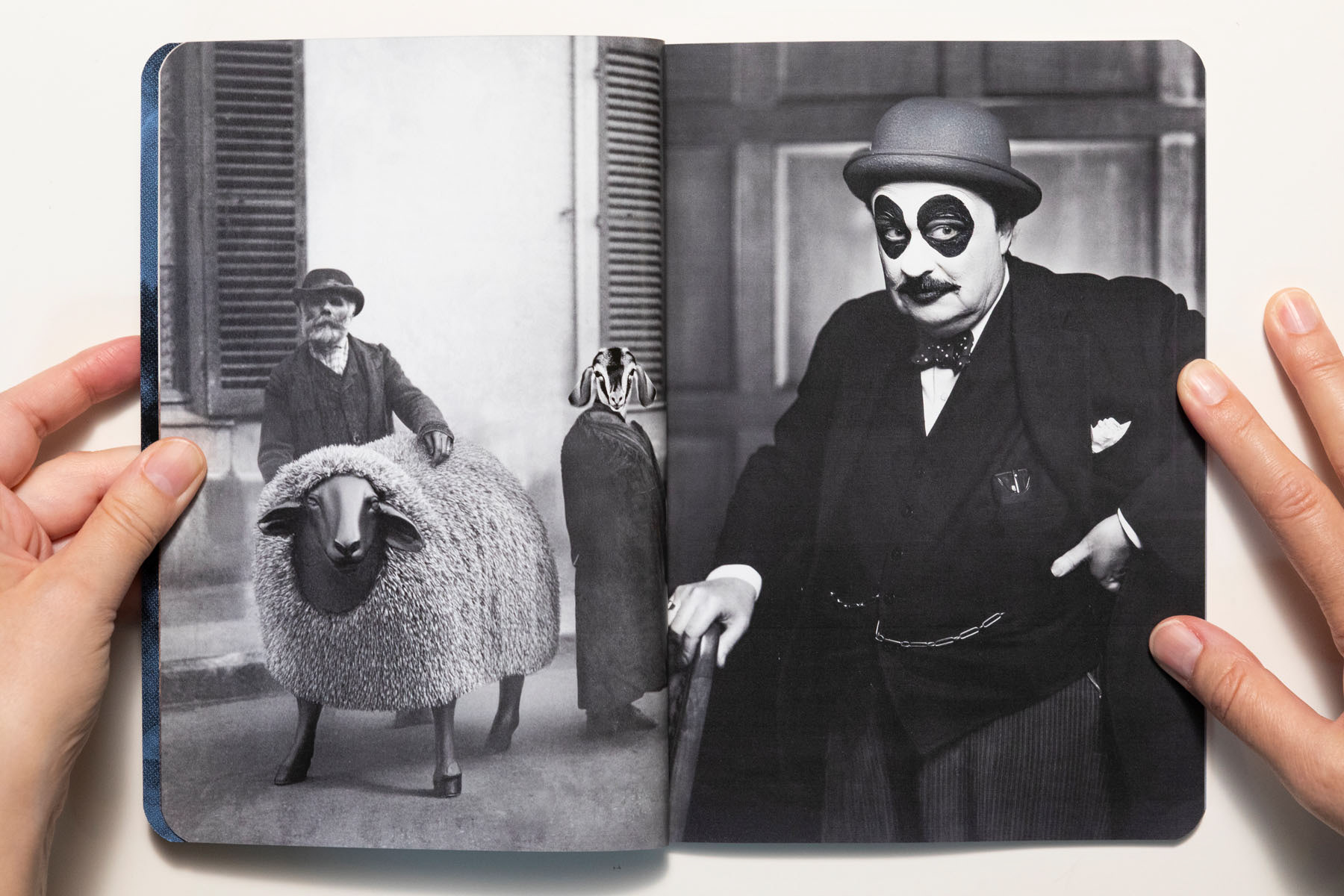
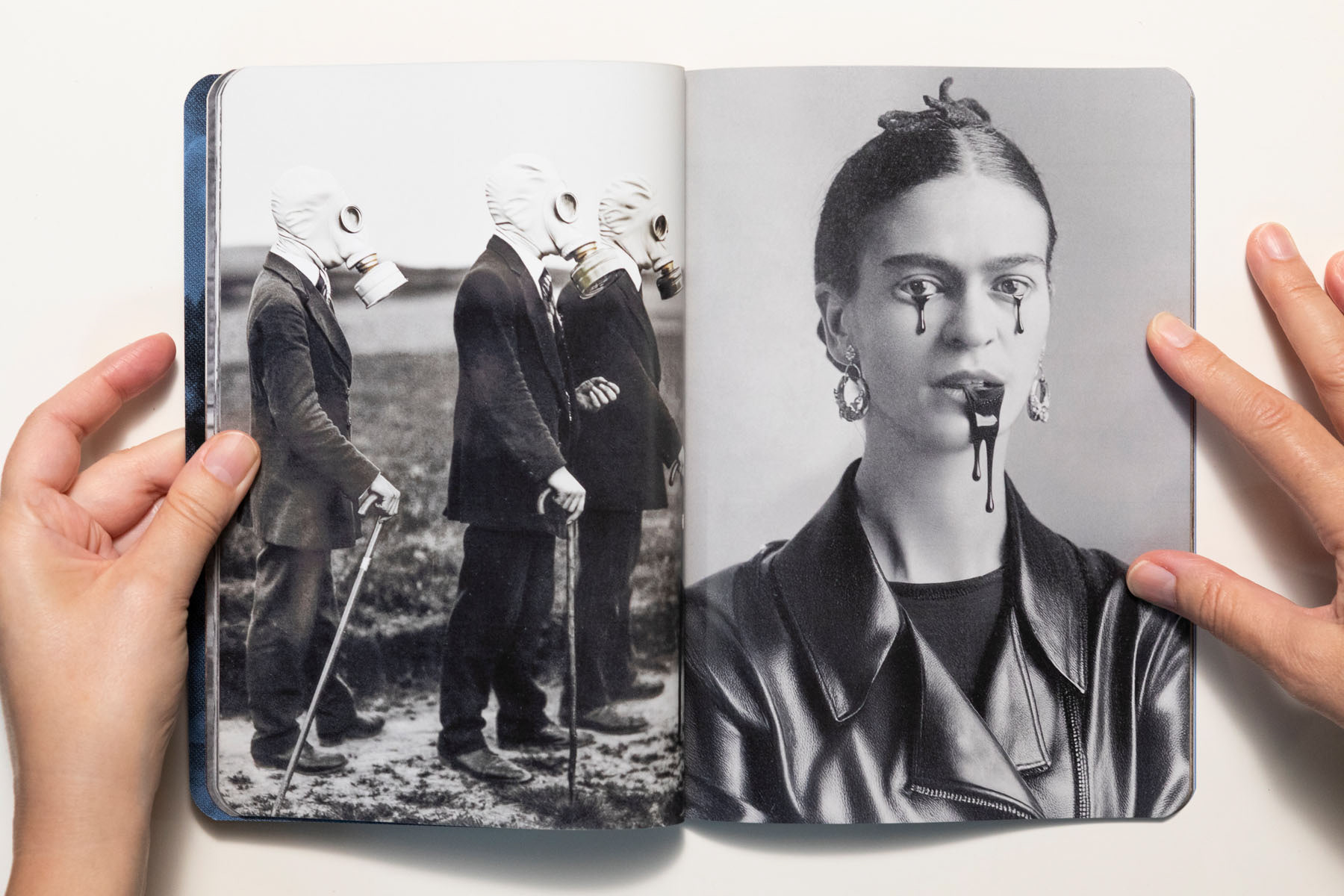
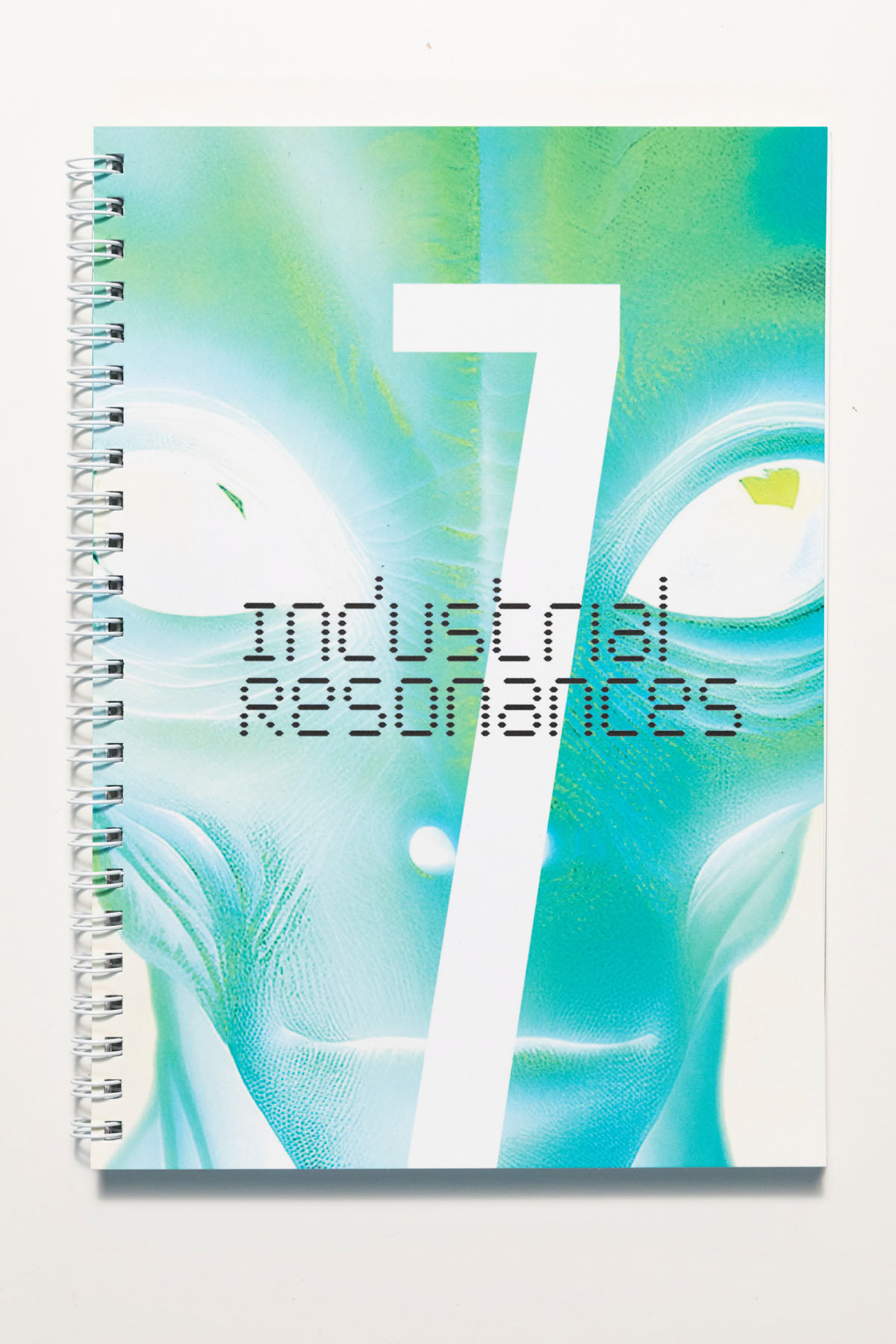
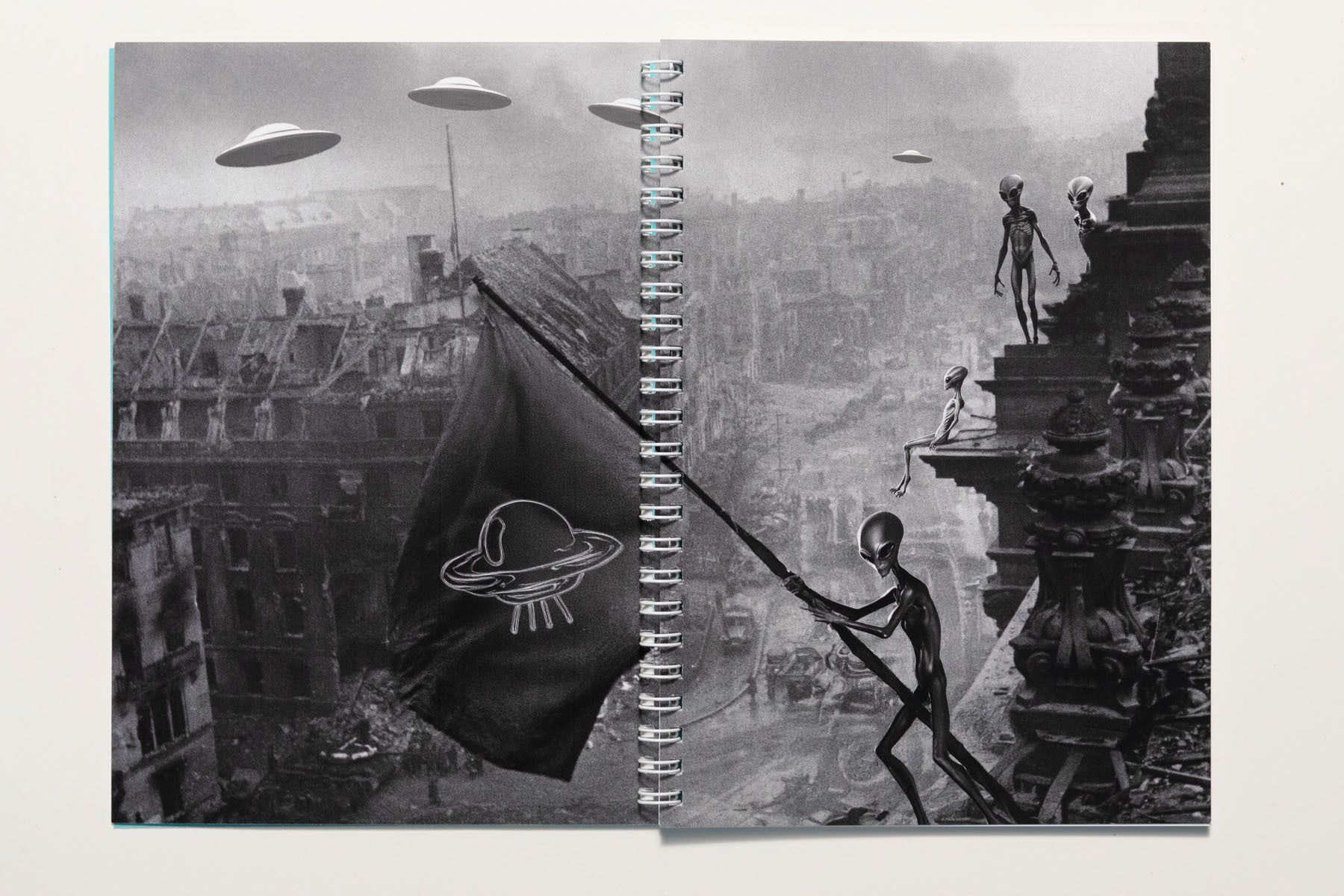
2025. When we look at an image, we grasp only what is essential: a handful of dominant structures that allow us to recognise it as a coherent whole. As Rudolf Arnheim observed, perception is guided by prior schemas and by memory, which connects what we see to a vast archive of past experiences. Different images with similar forms or structures can therefore be perceived as related. In photography, this mechanism becomes even more pronounced. The history of the medium generates patterns that students, amateurs and professionals continue to reproduce—consciously or not—creating almost endless variations on established models. Industrial Resonances explores this logic through the reinterpretation of 28 classic photographs, transformed using digital tools and artificial intelligence. The book examines how certain formal elements, persistent over time, trigger inevitable associations and sustain a shared visual memory built from echoes and variations. This idea also extends to the editorial sphere. Photobook typologies—formats, narrative structures, design approaches—reappear cyclically as recognisable formulas. For this reason, Industrial Resonances does not take the form of a single book, but unfolds across six distinct volumes, each reflecting one of these editorial traditions and becoming, in its own way, another echo within the series.