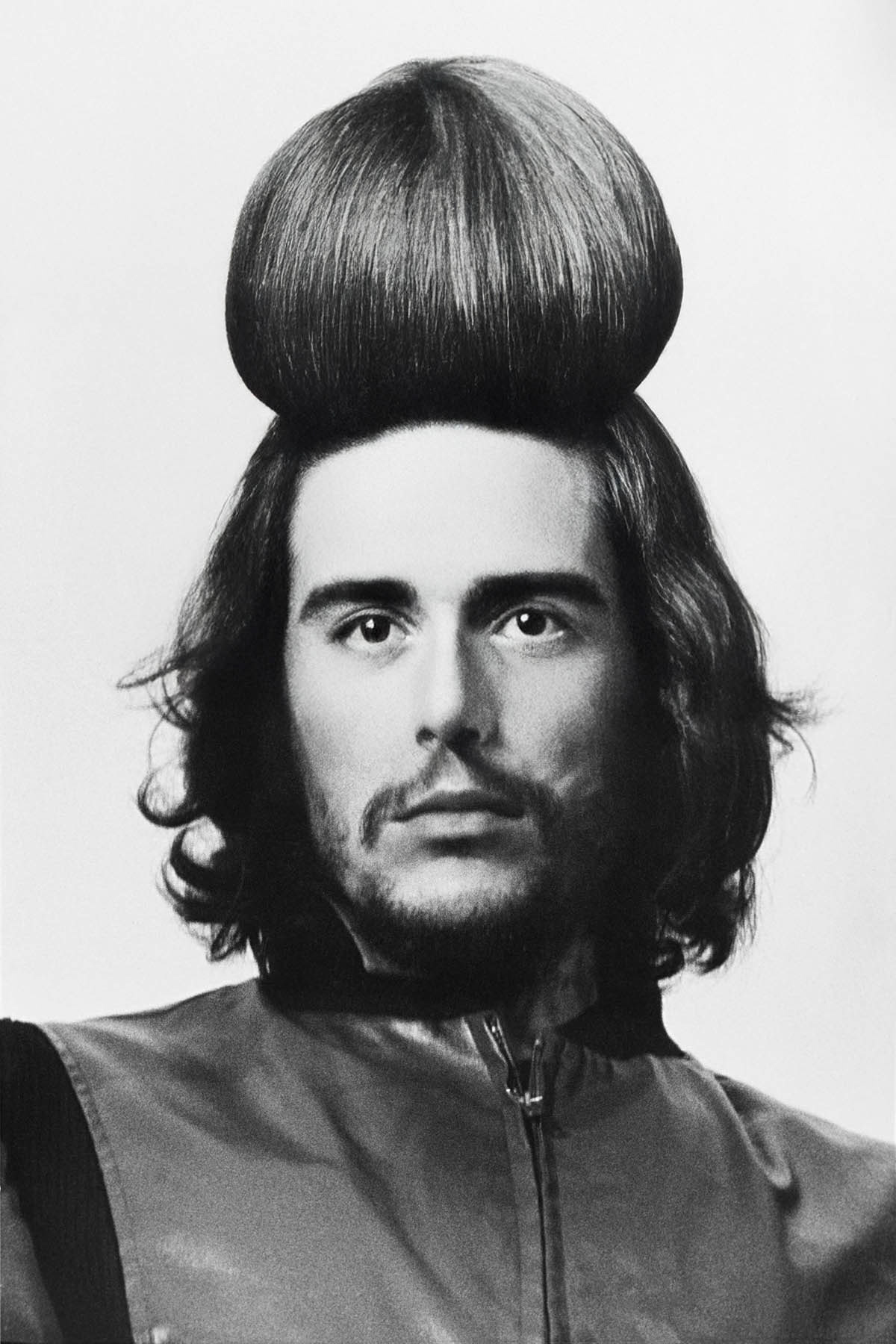
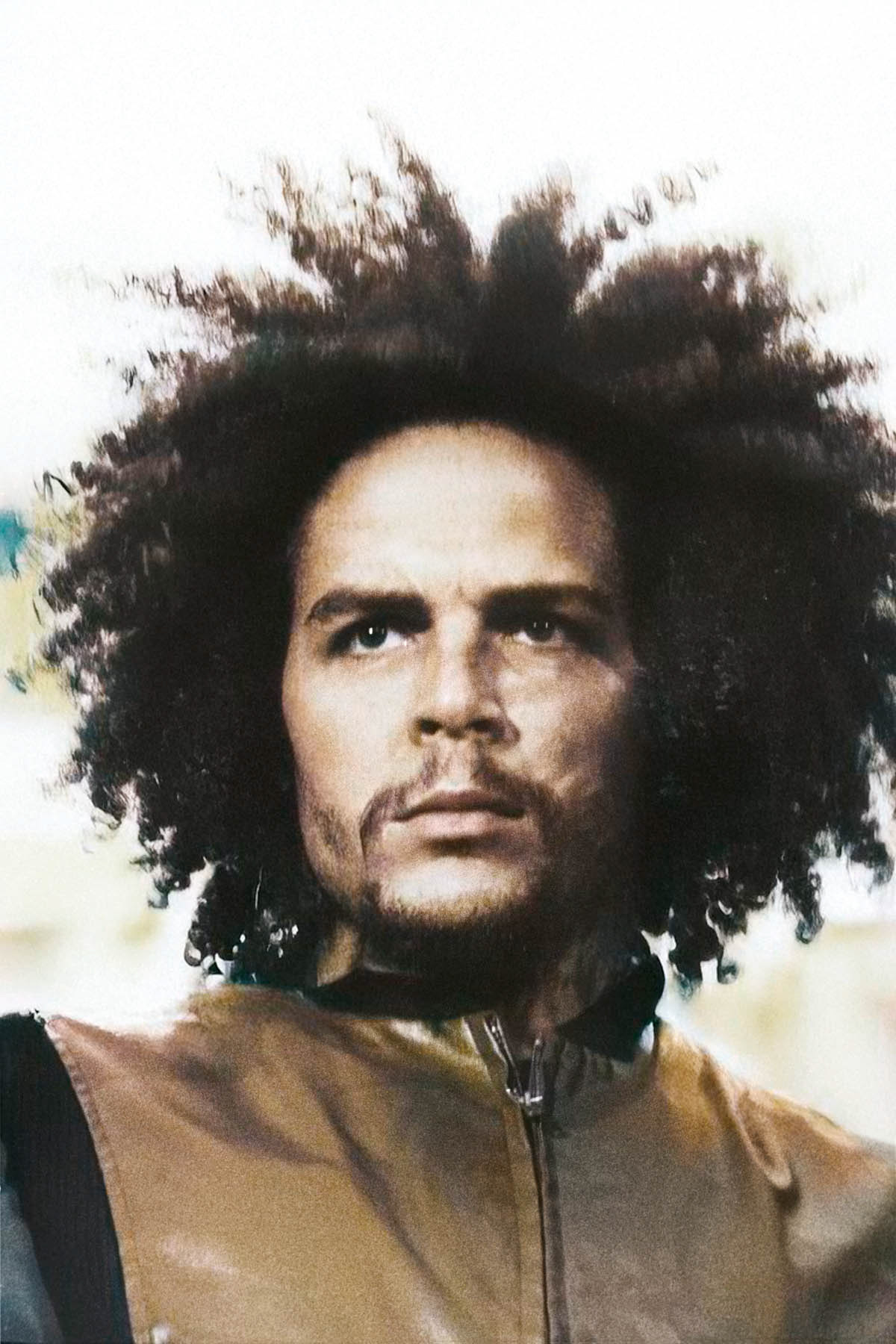


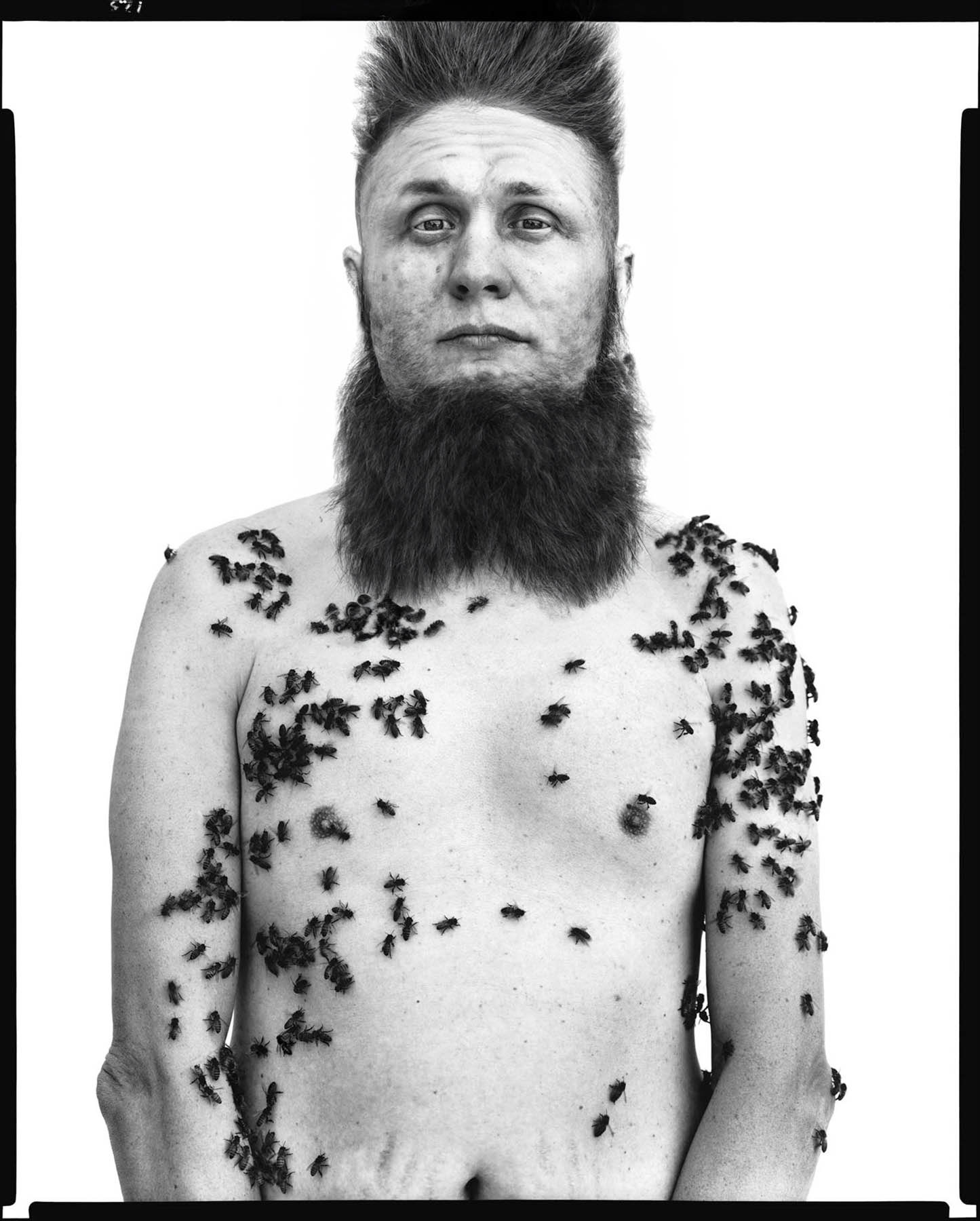
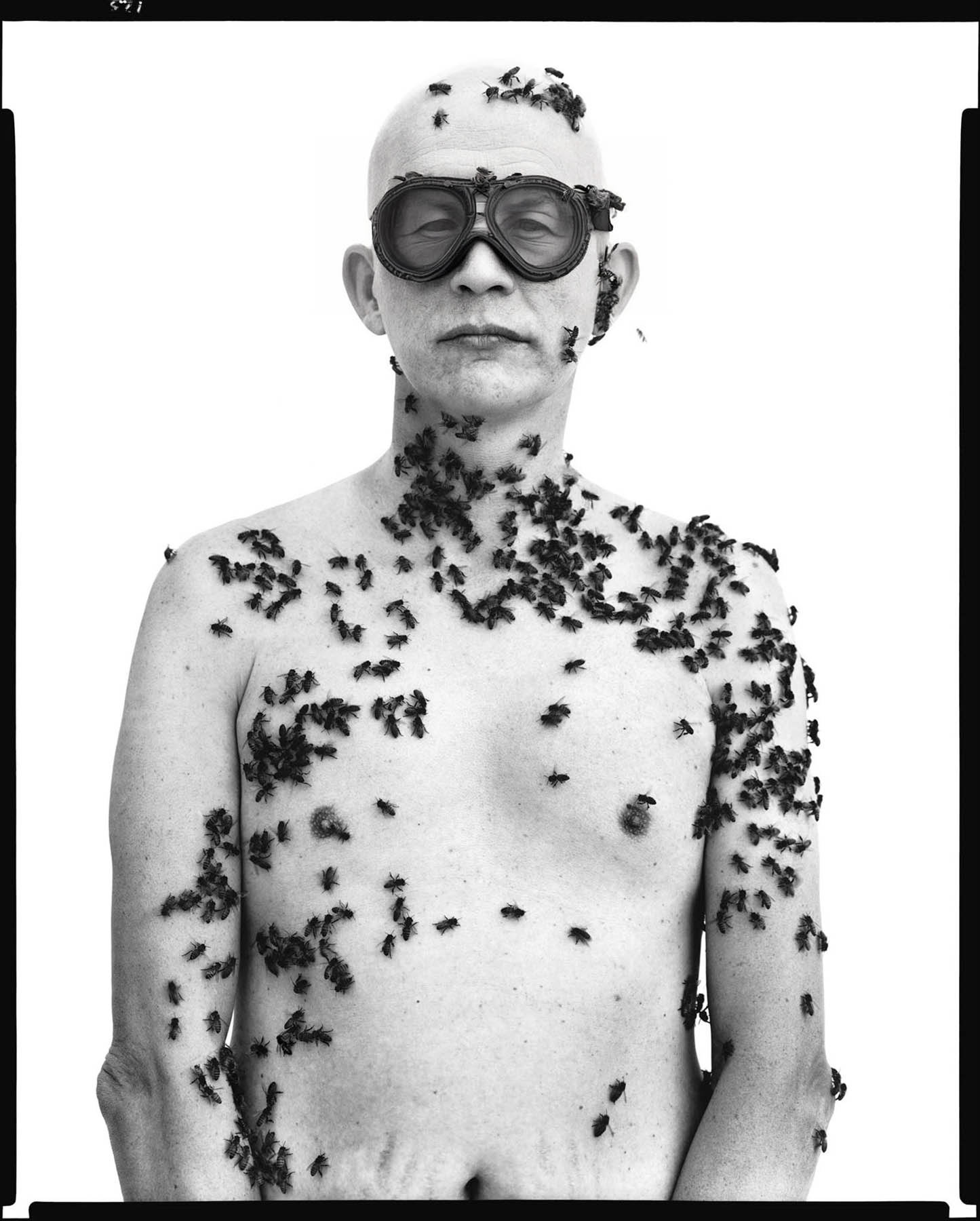
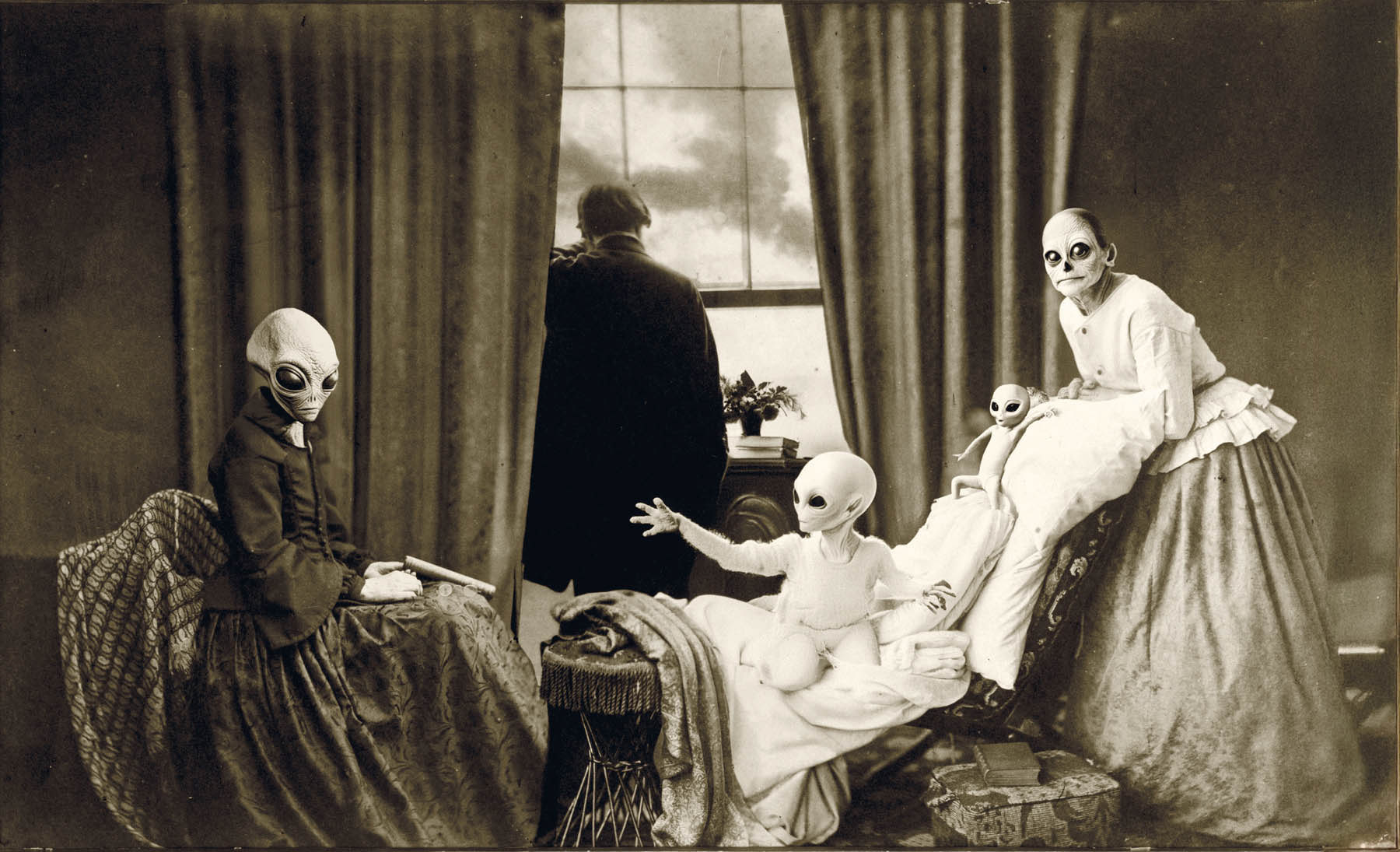
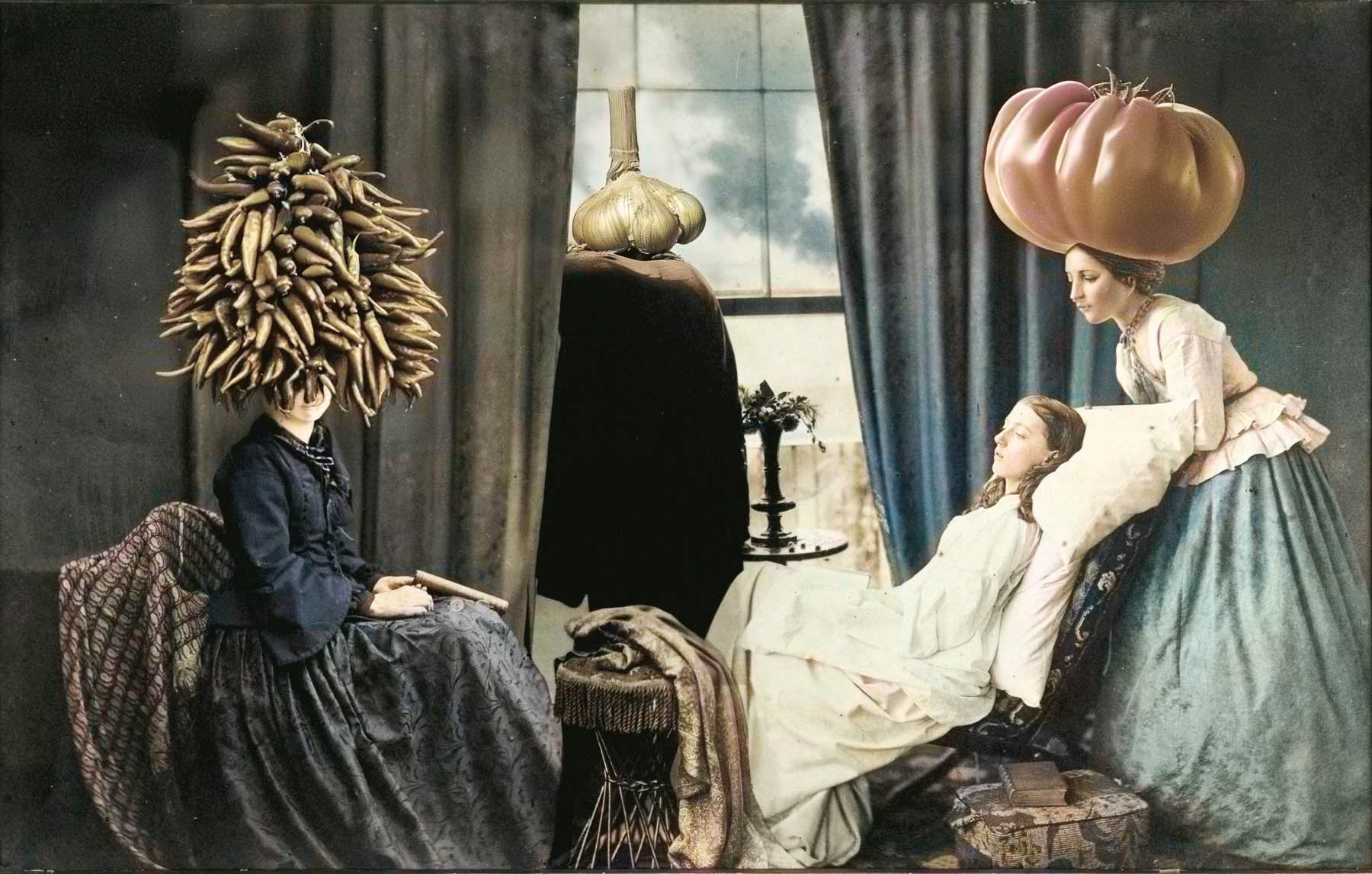

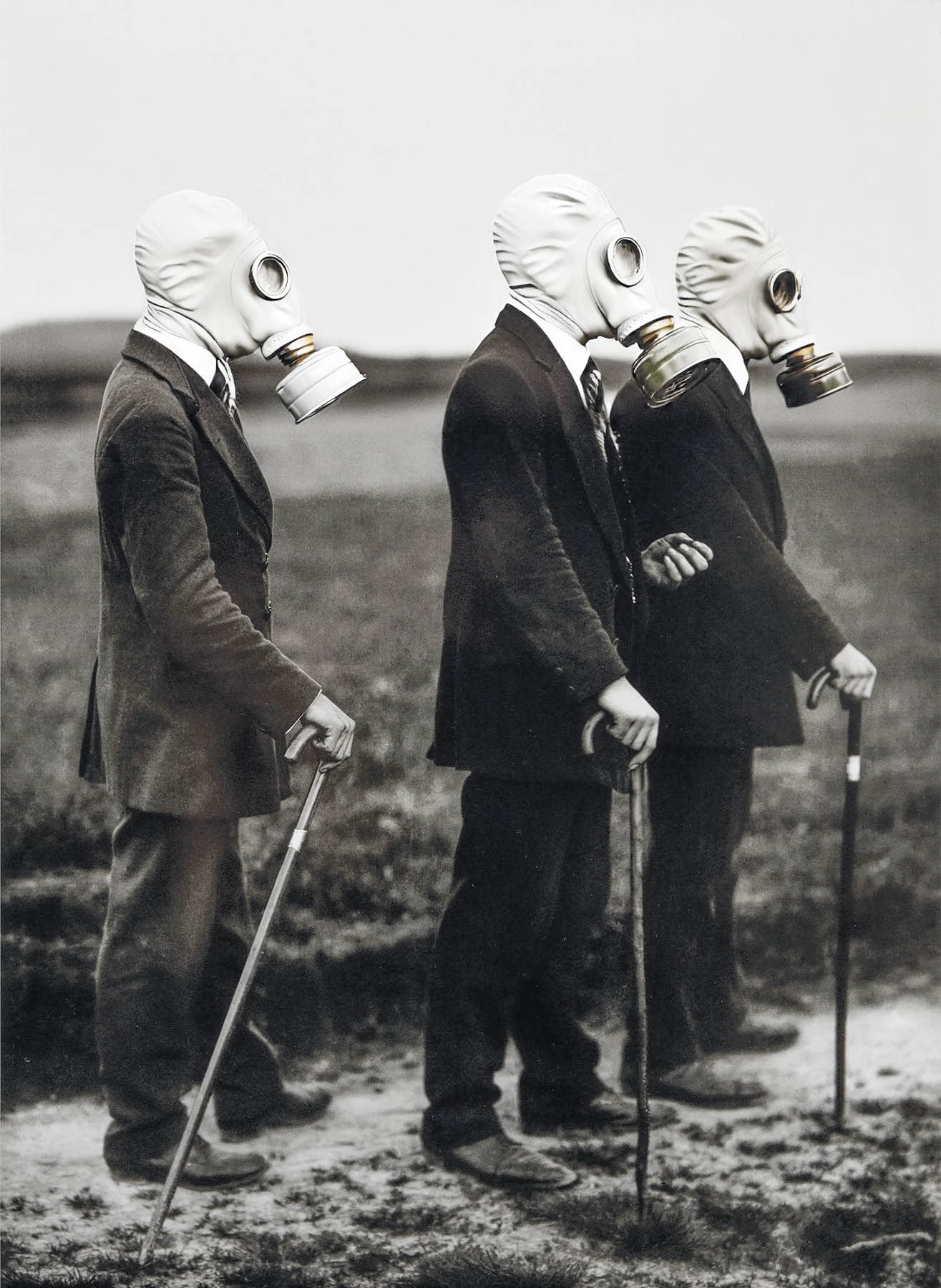

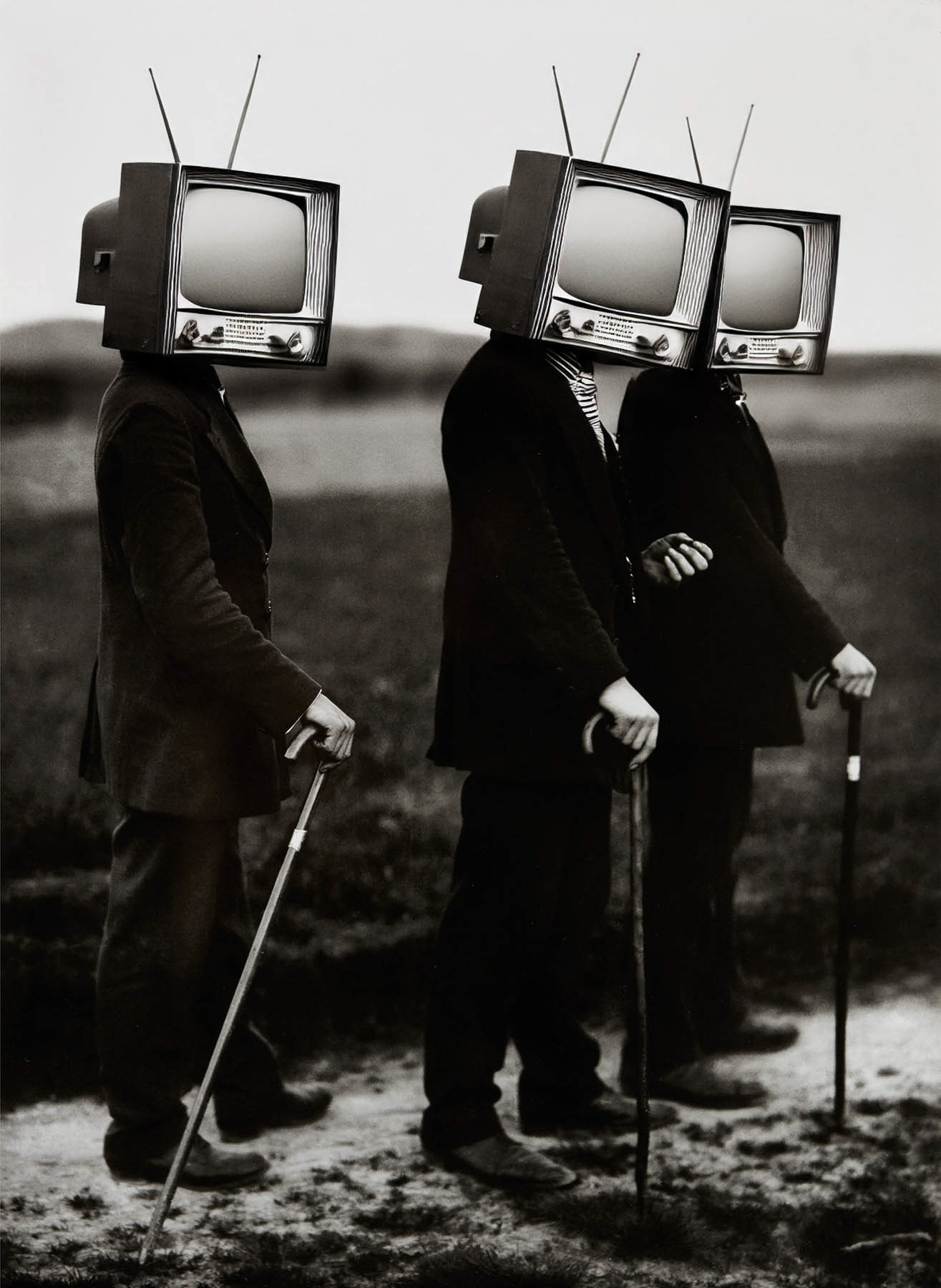

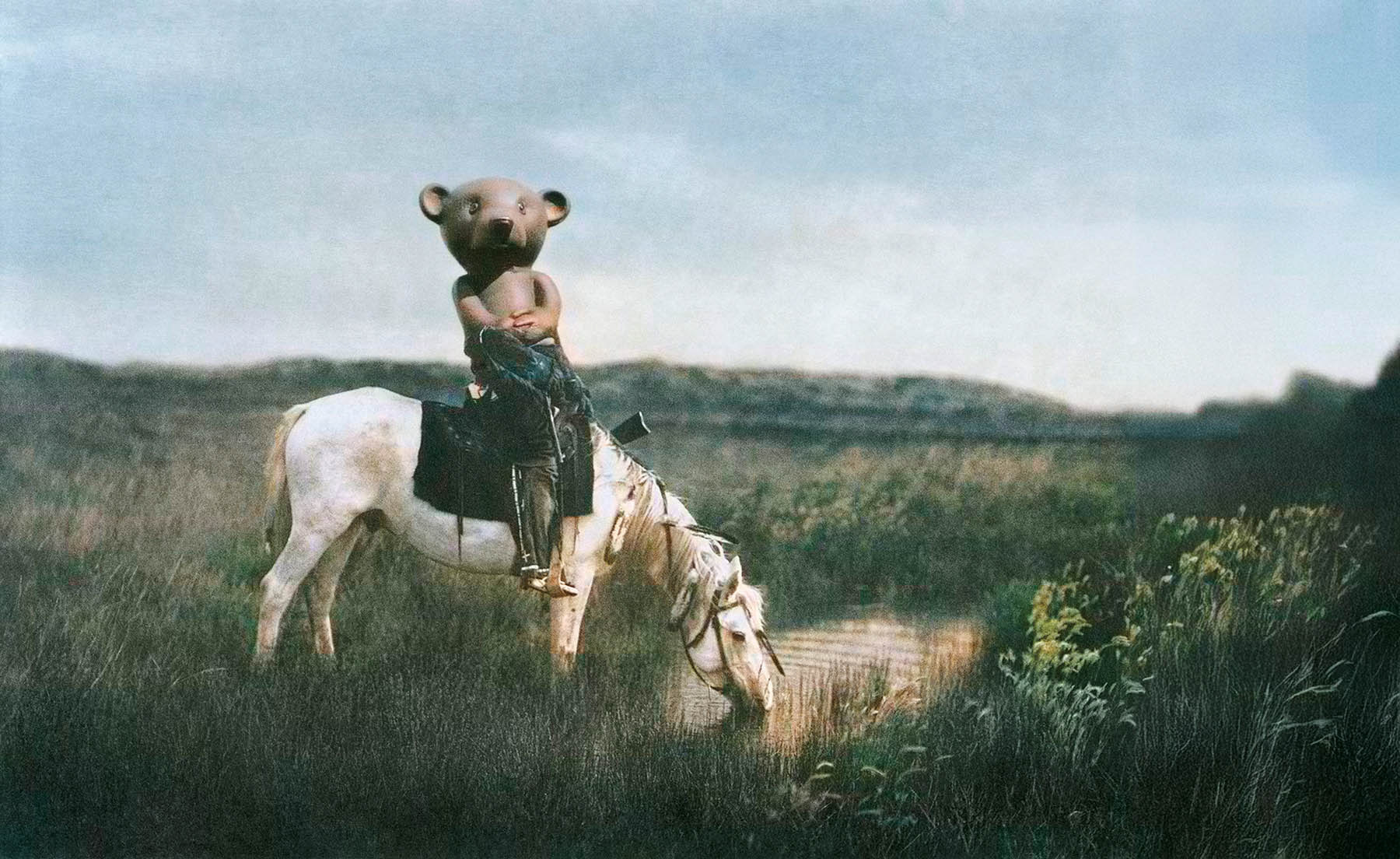
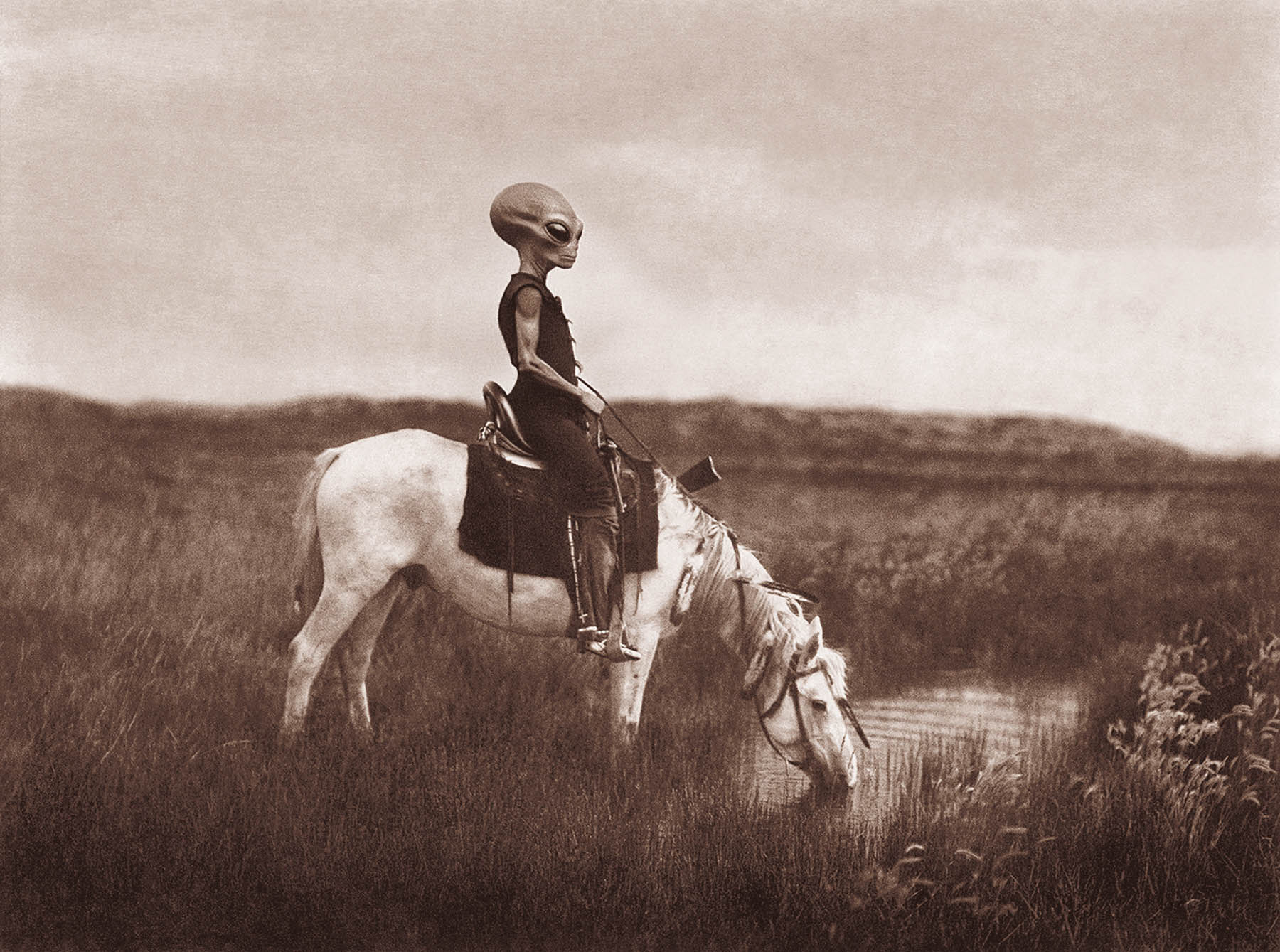
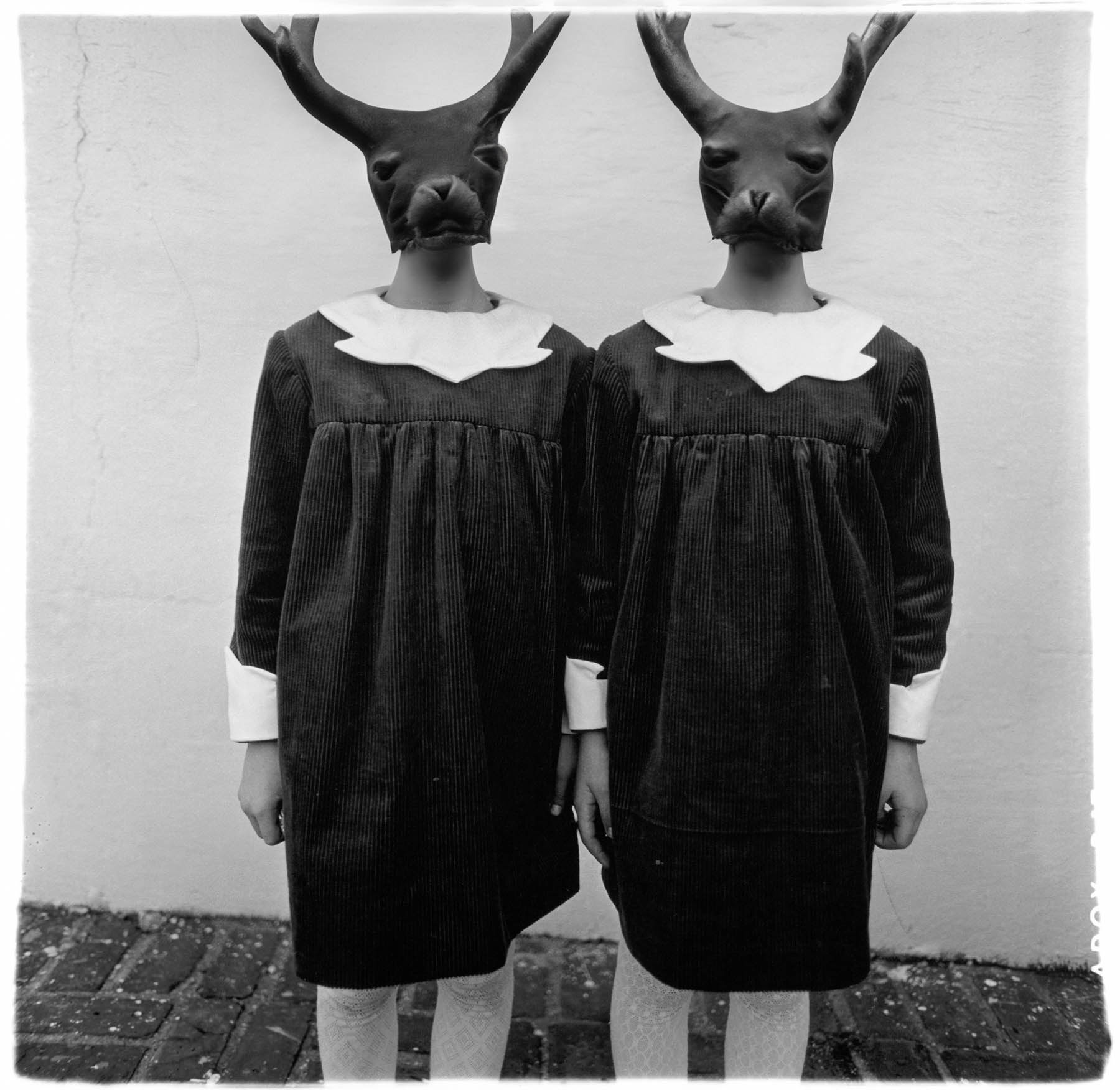
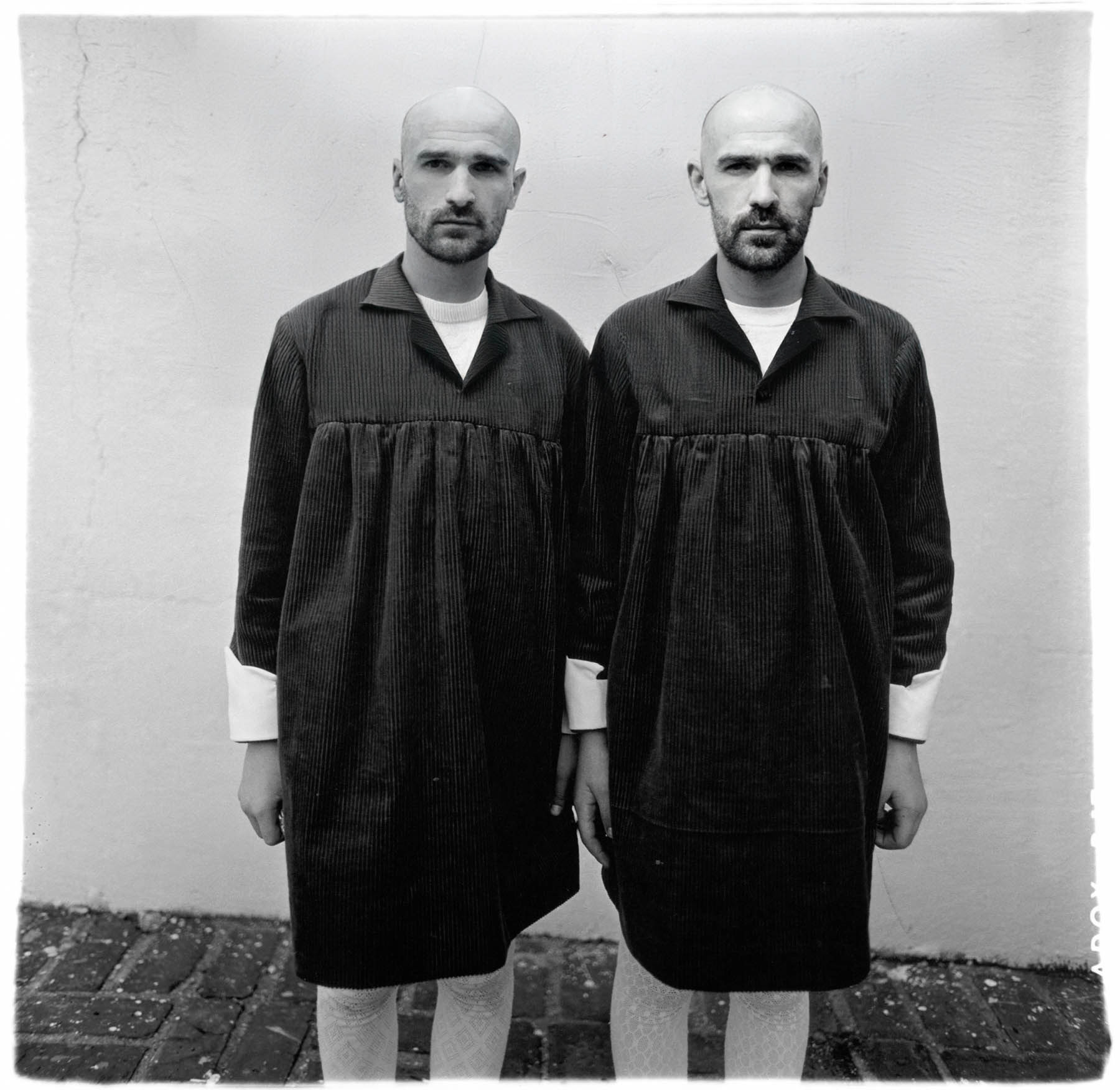

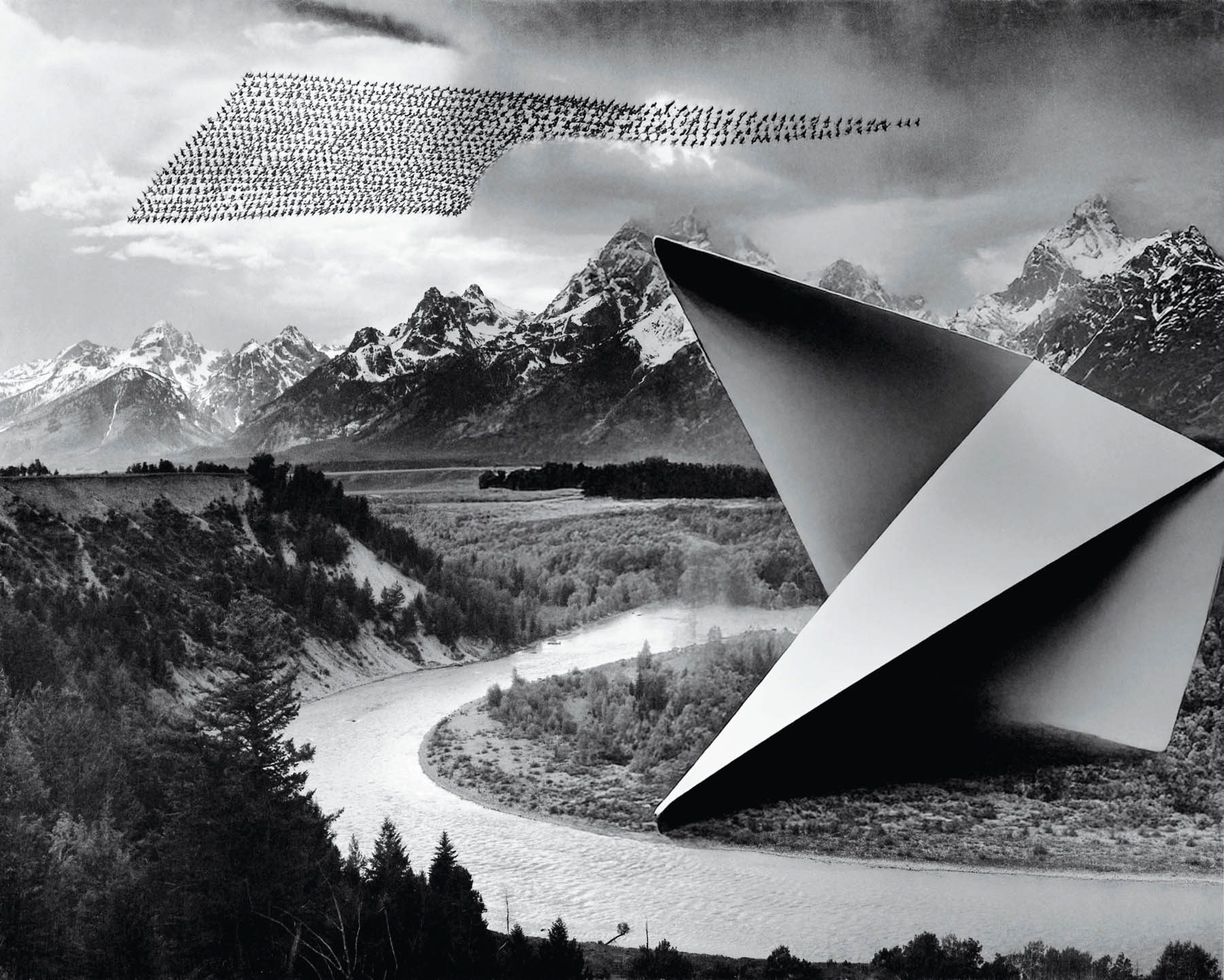
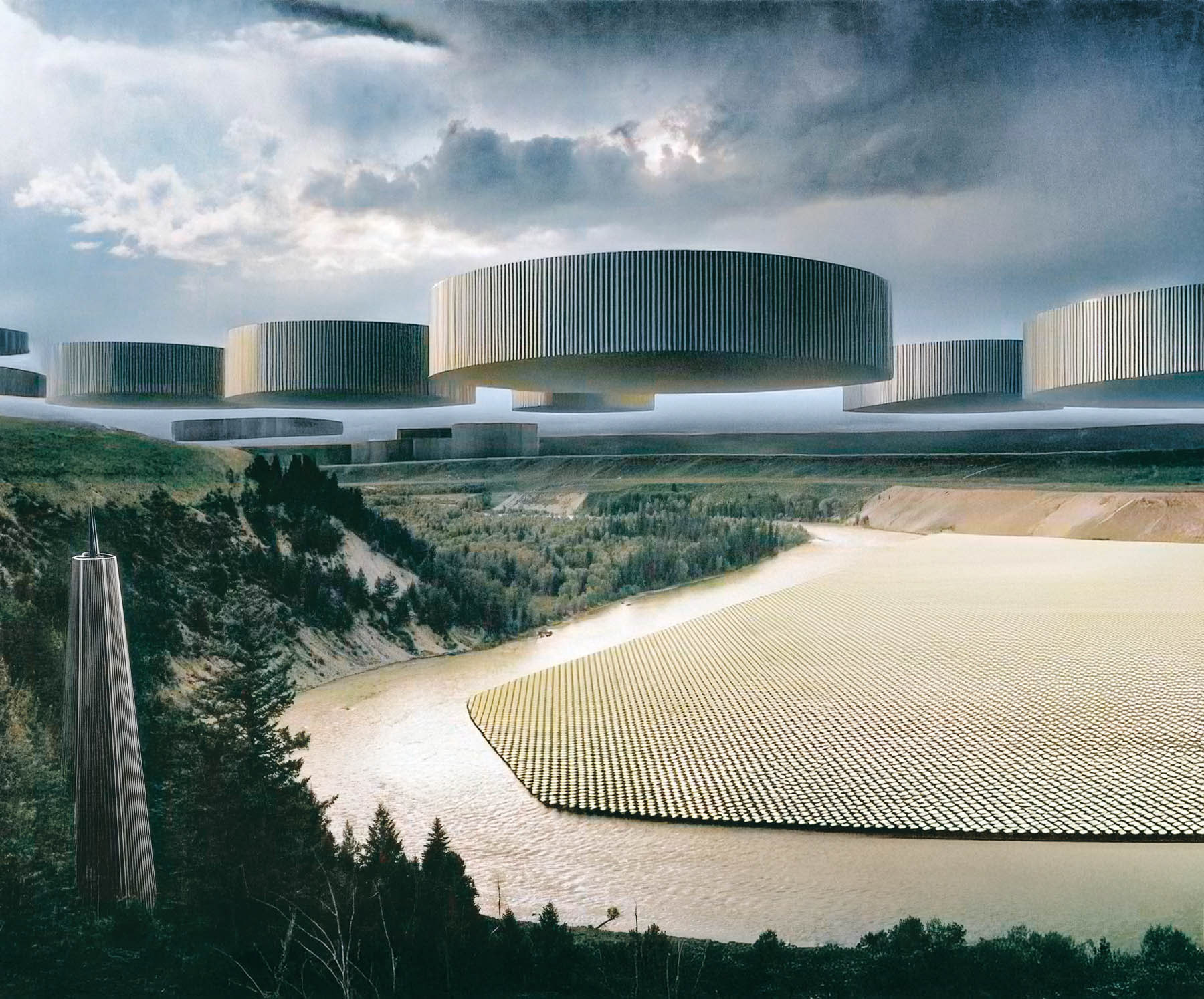

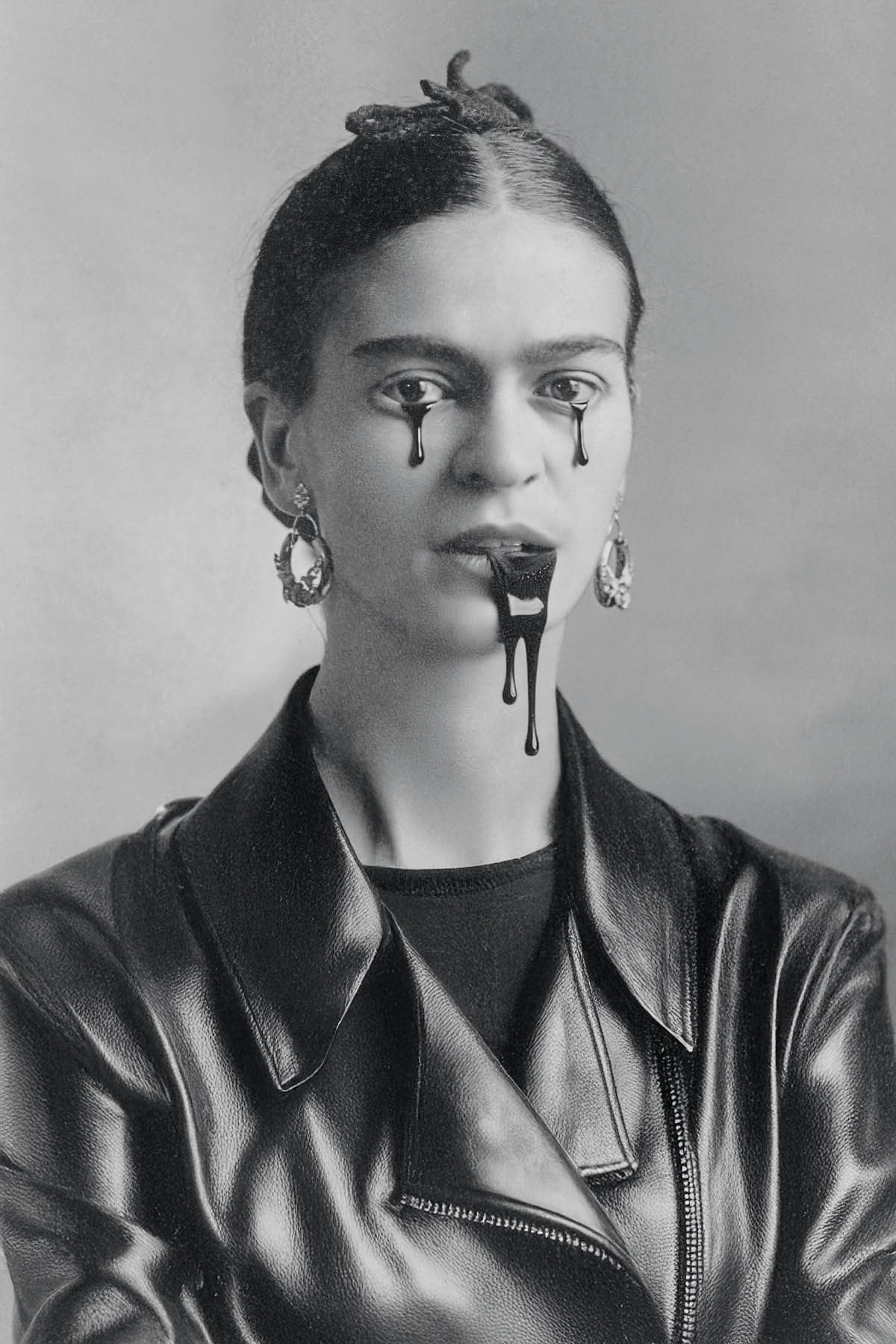
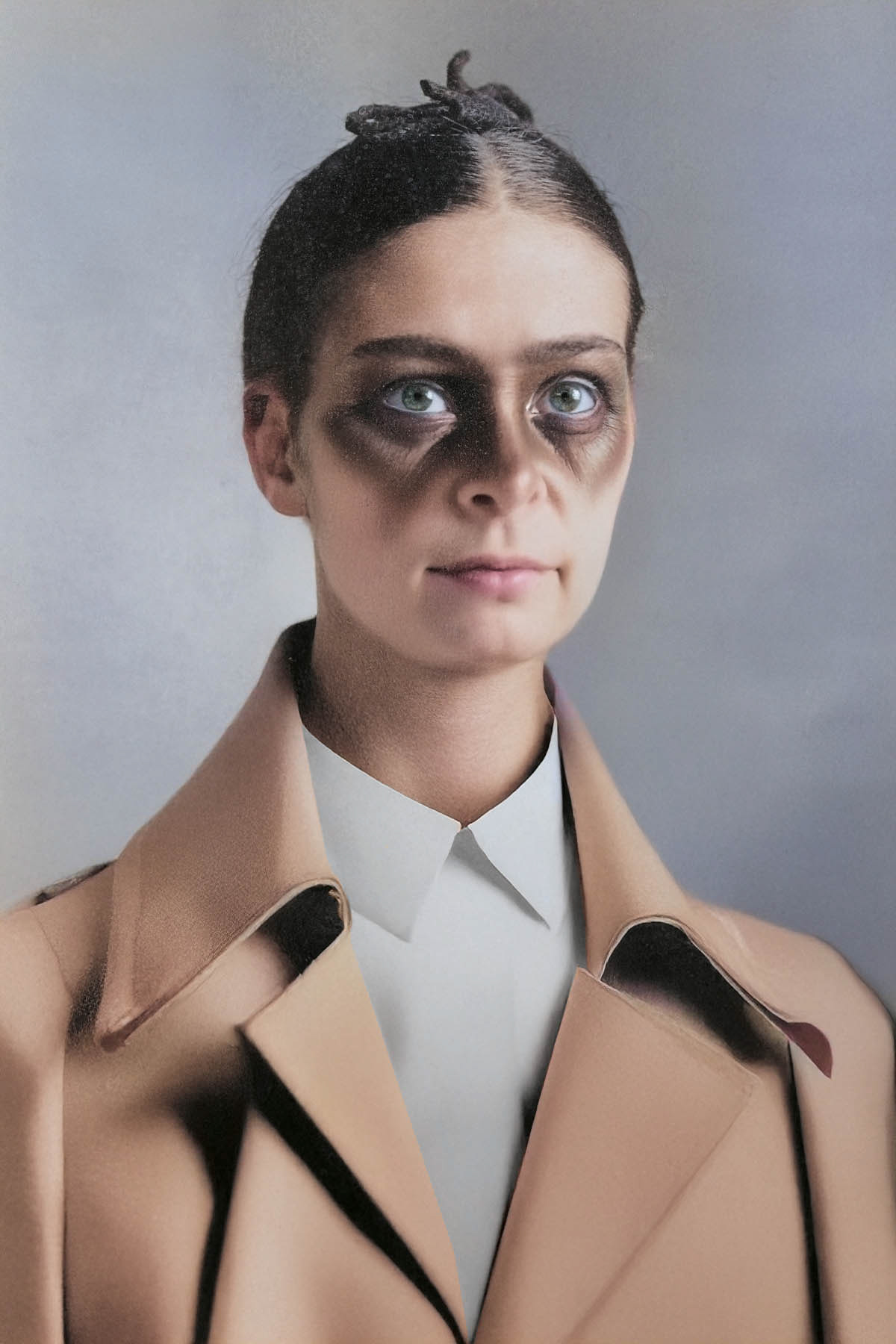


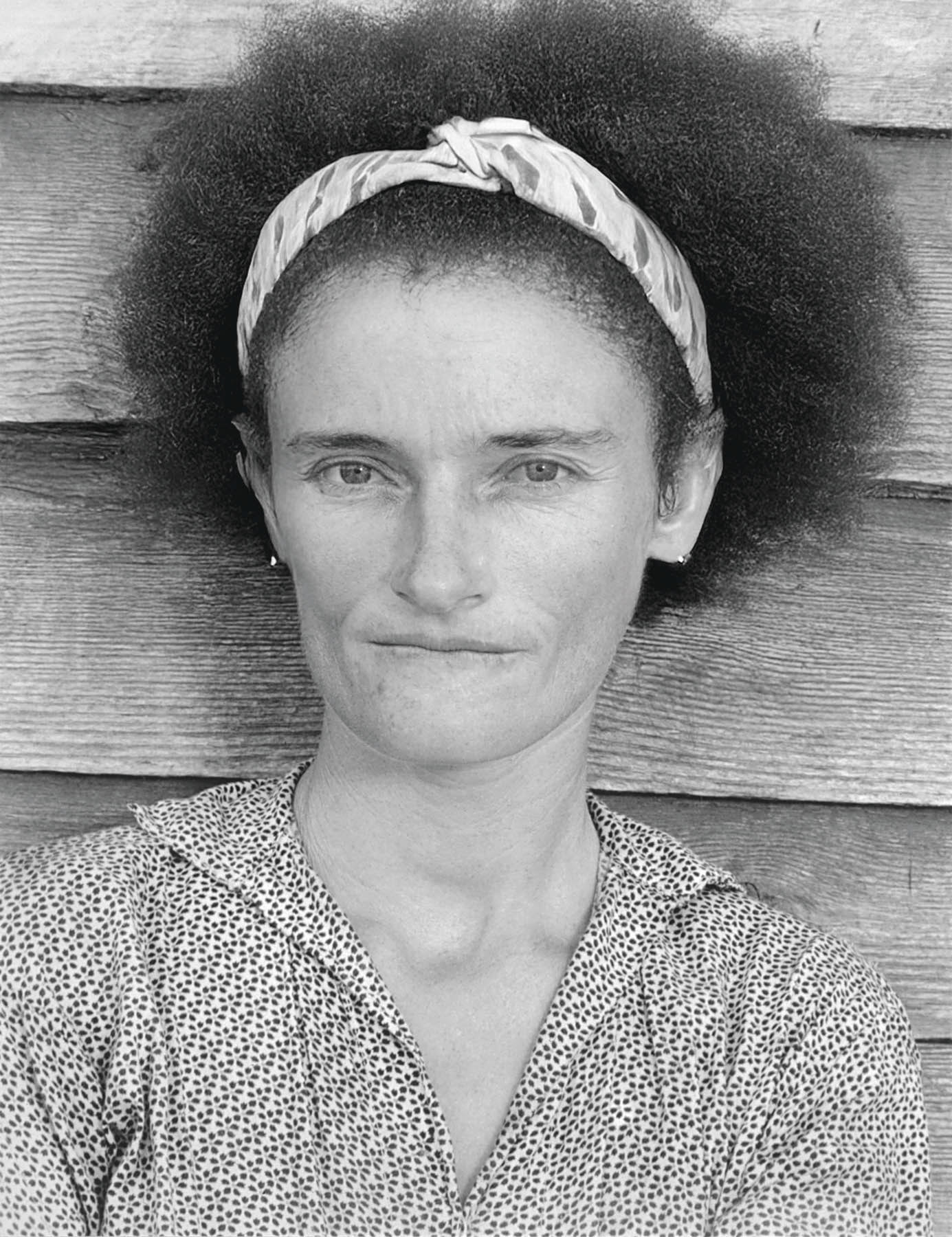
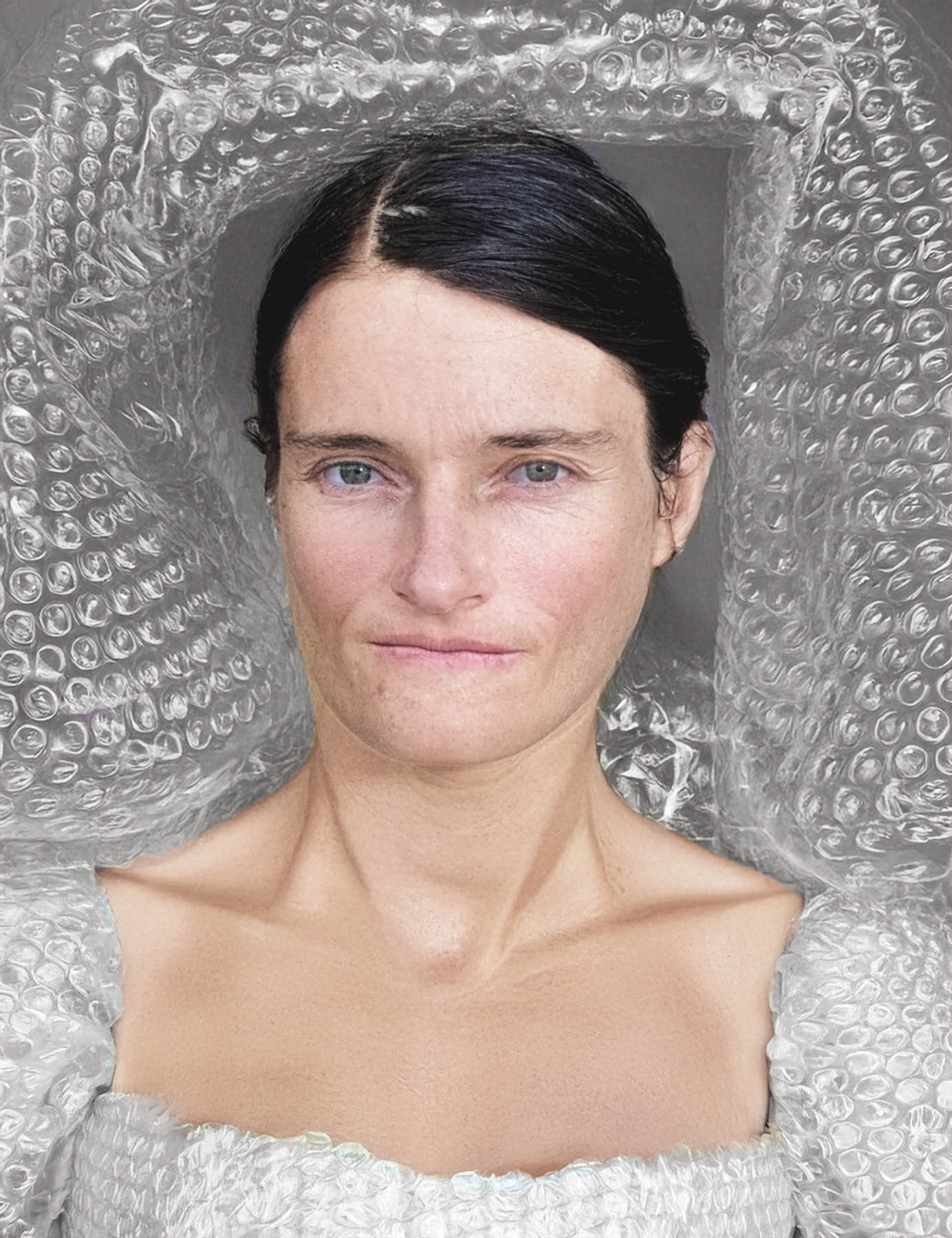


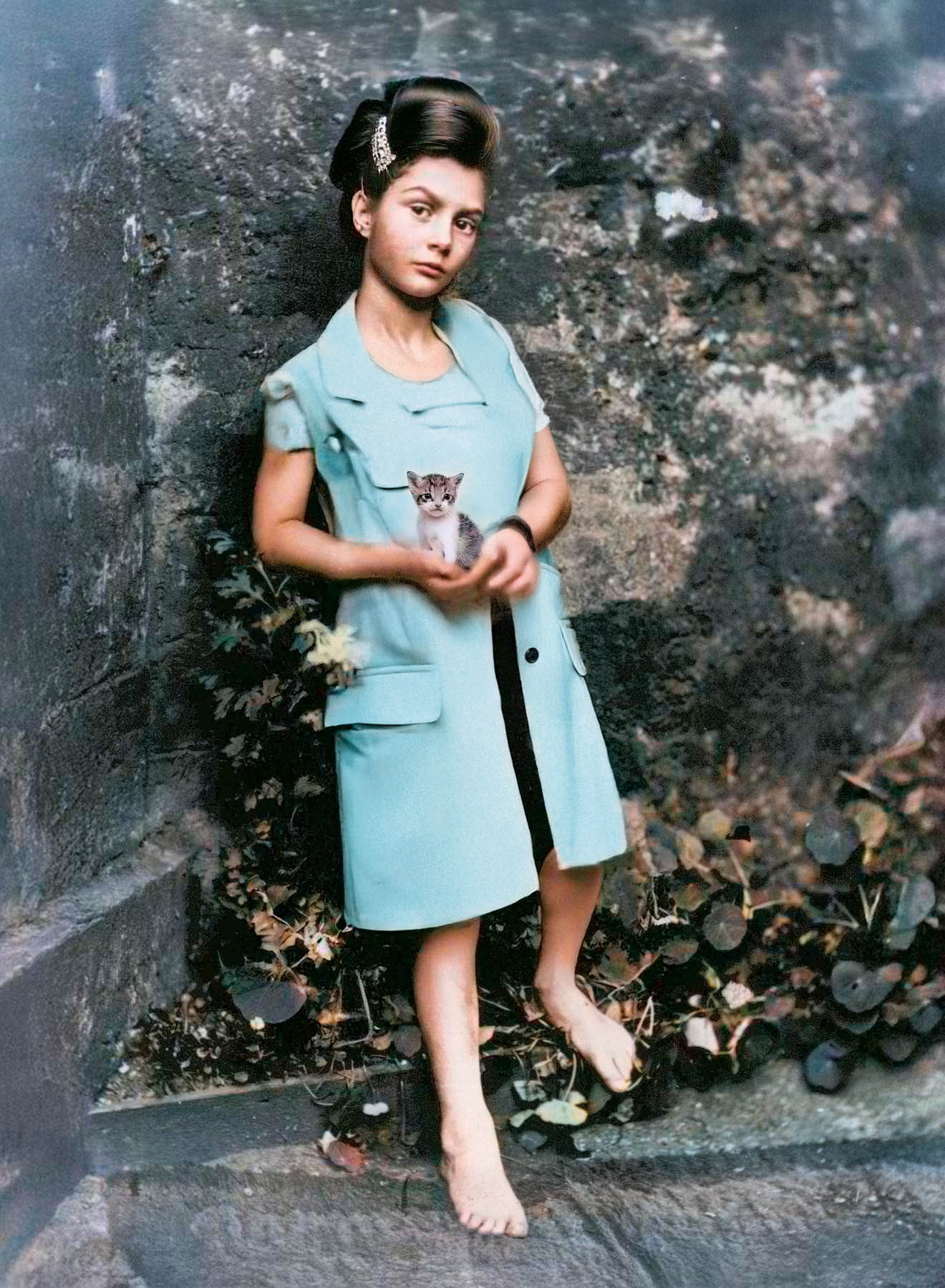
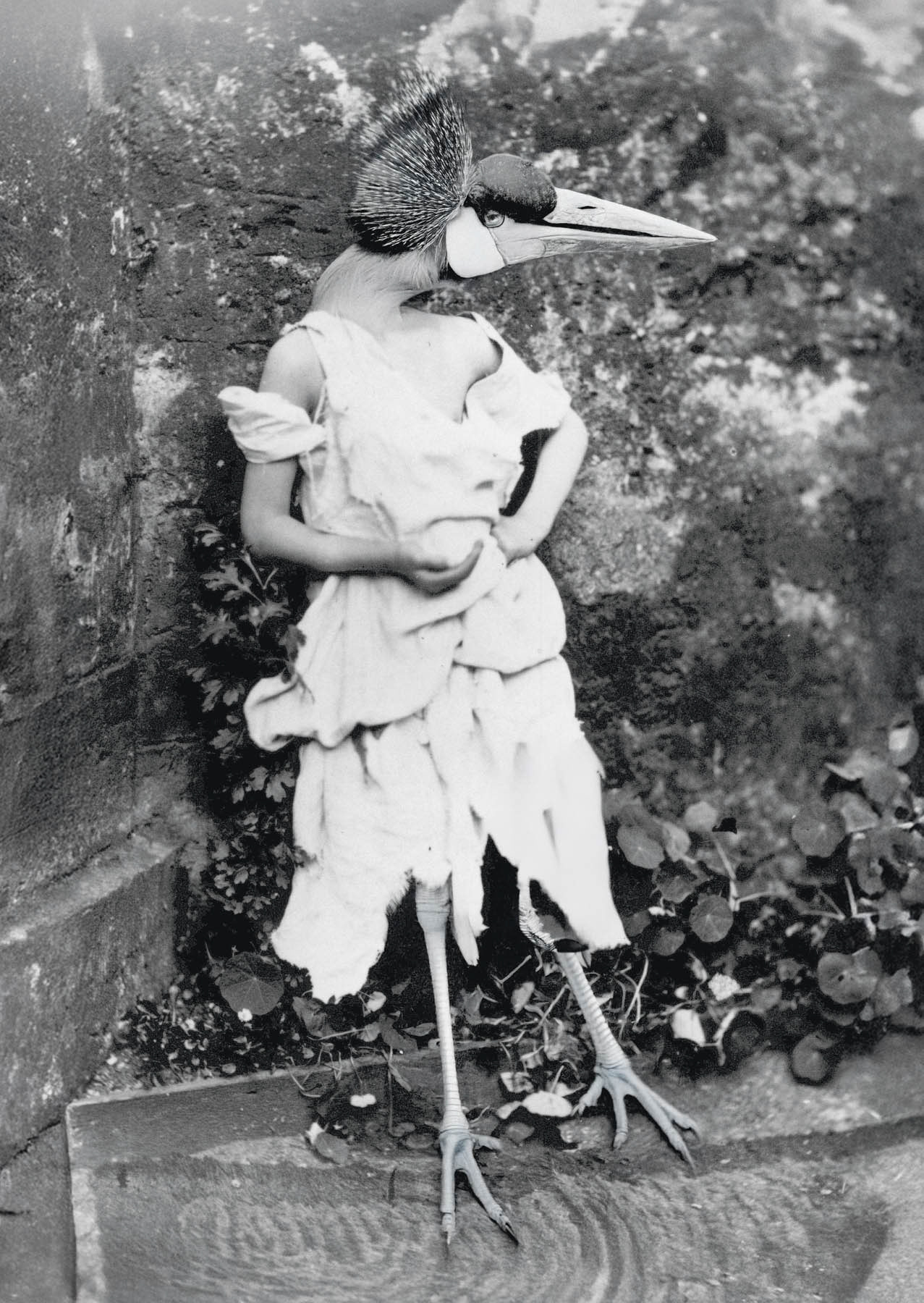

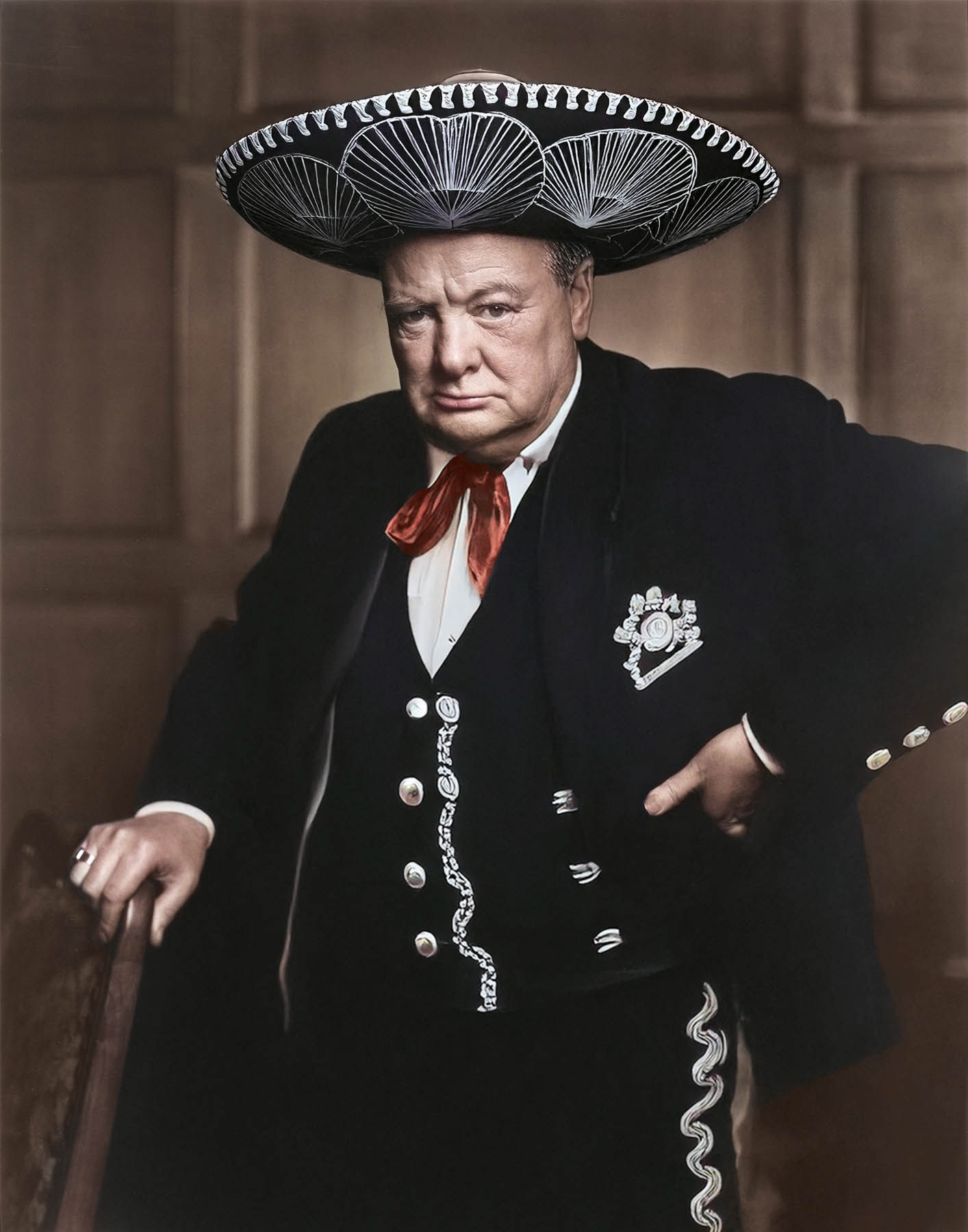
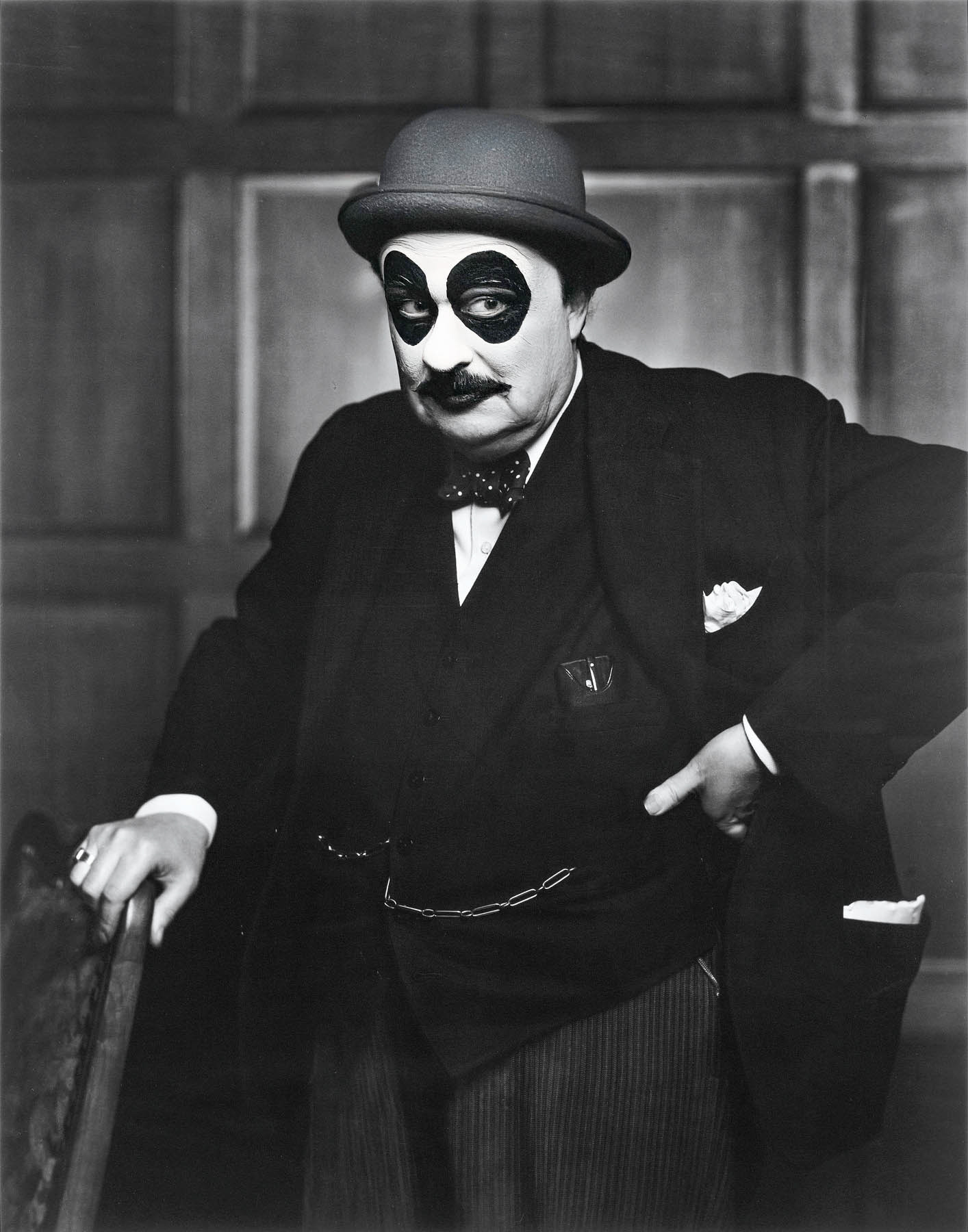

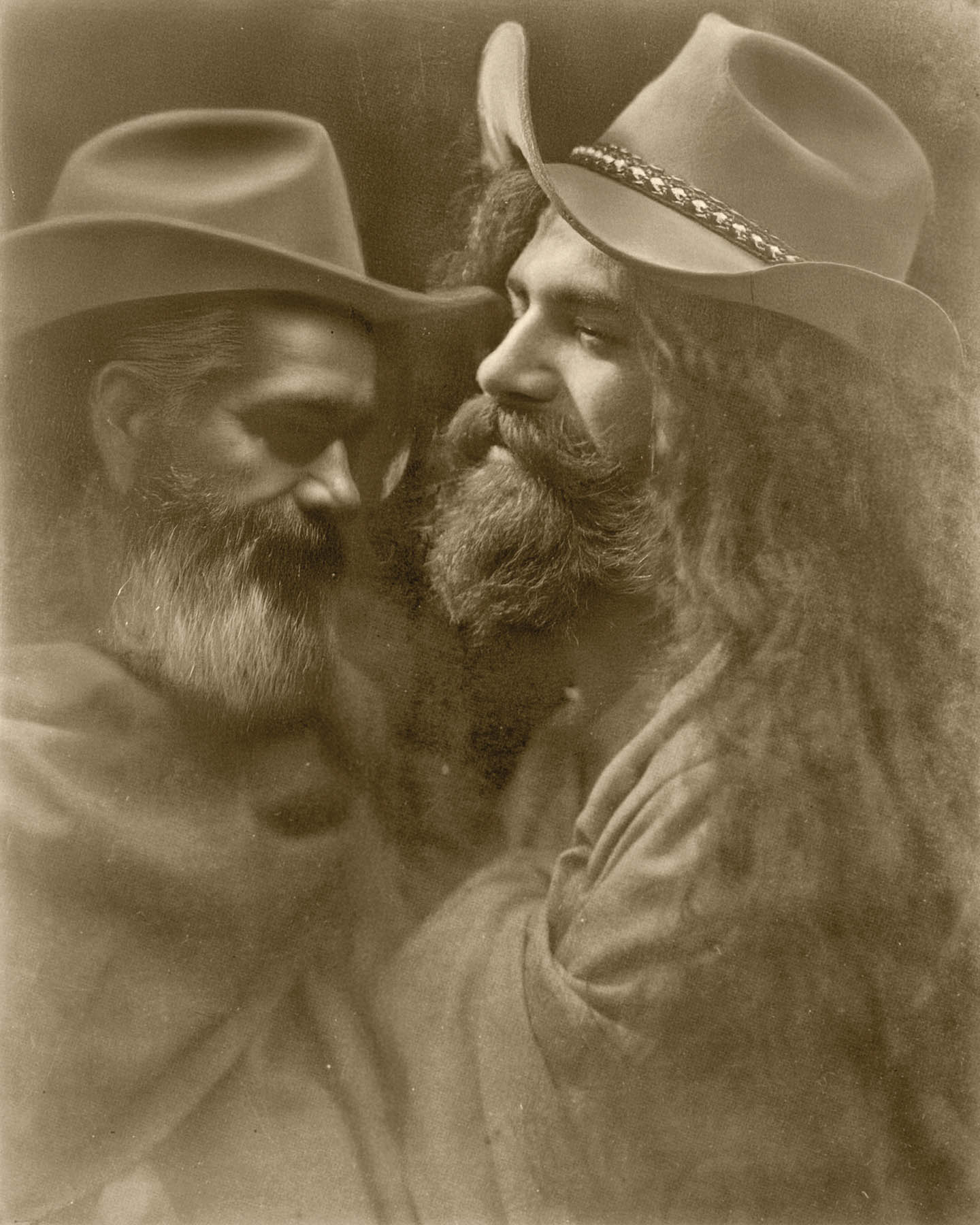
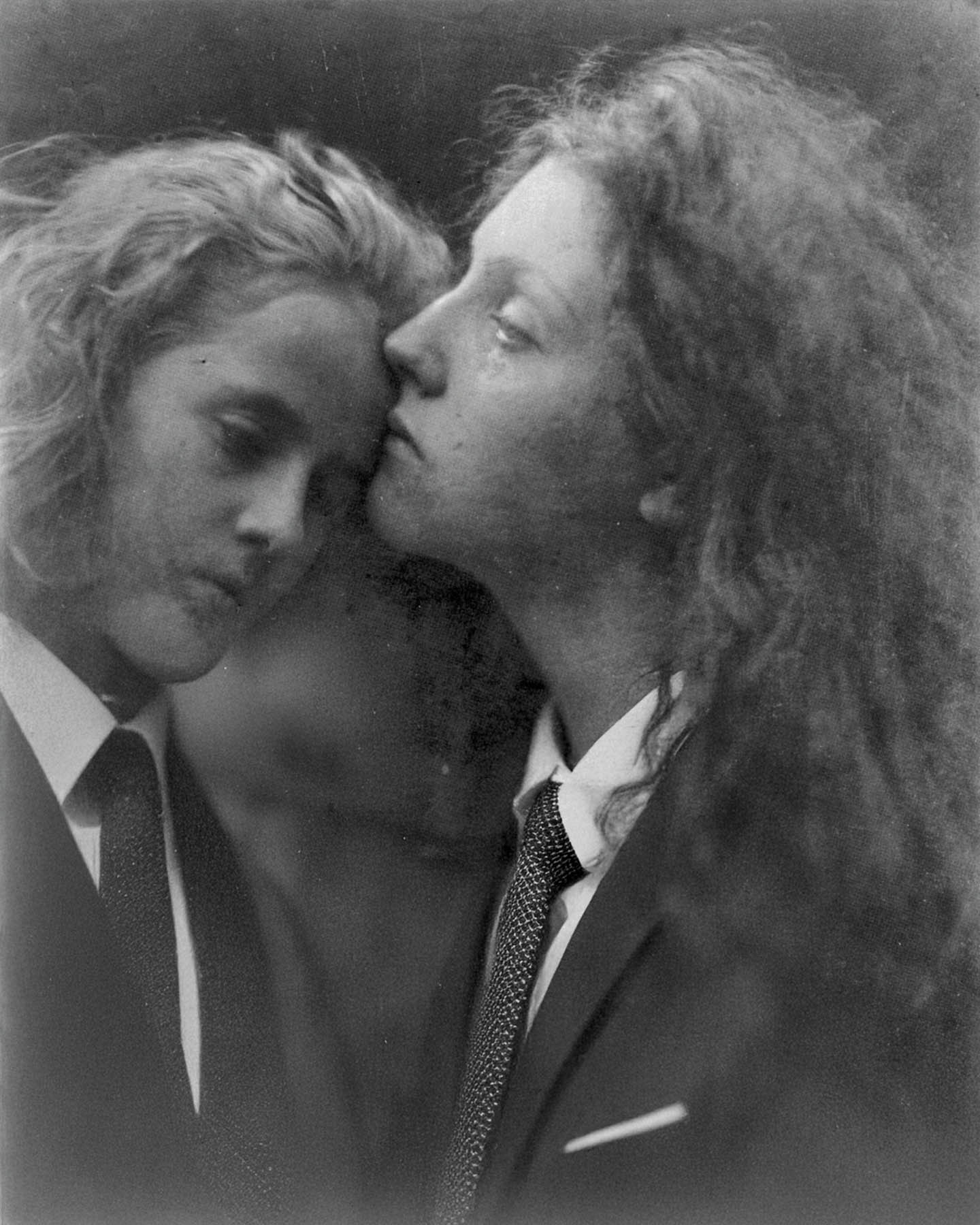


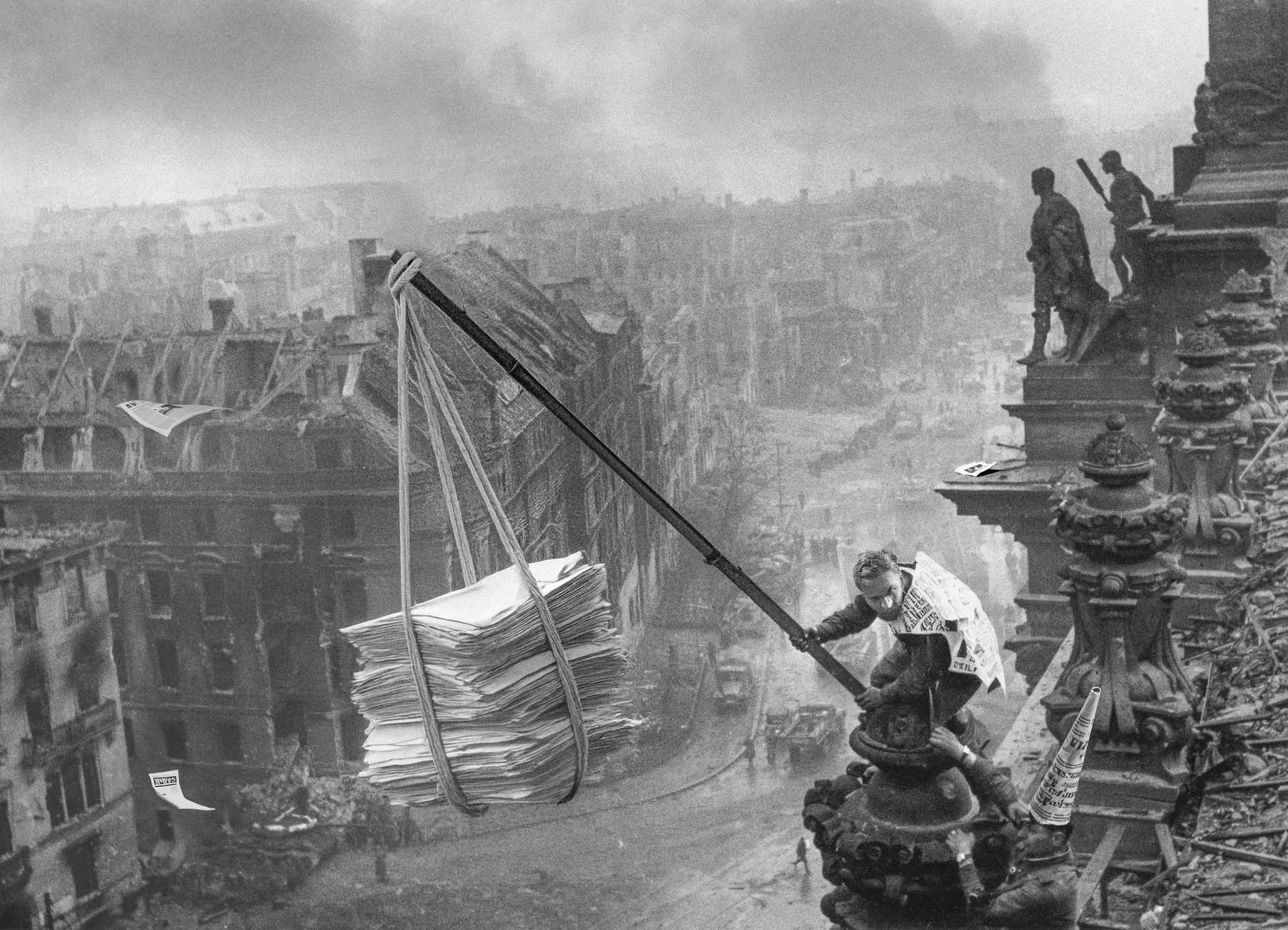
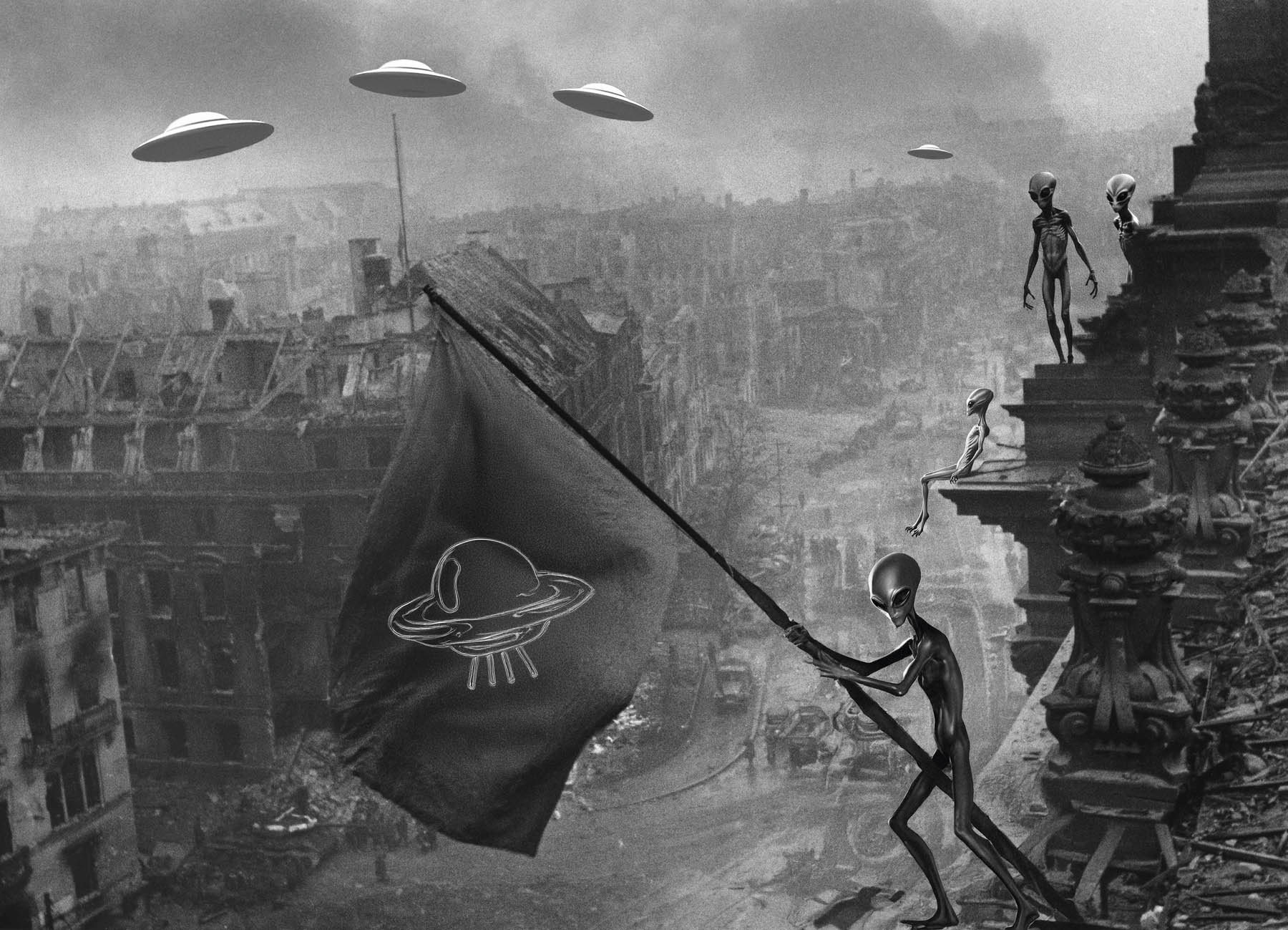

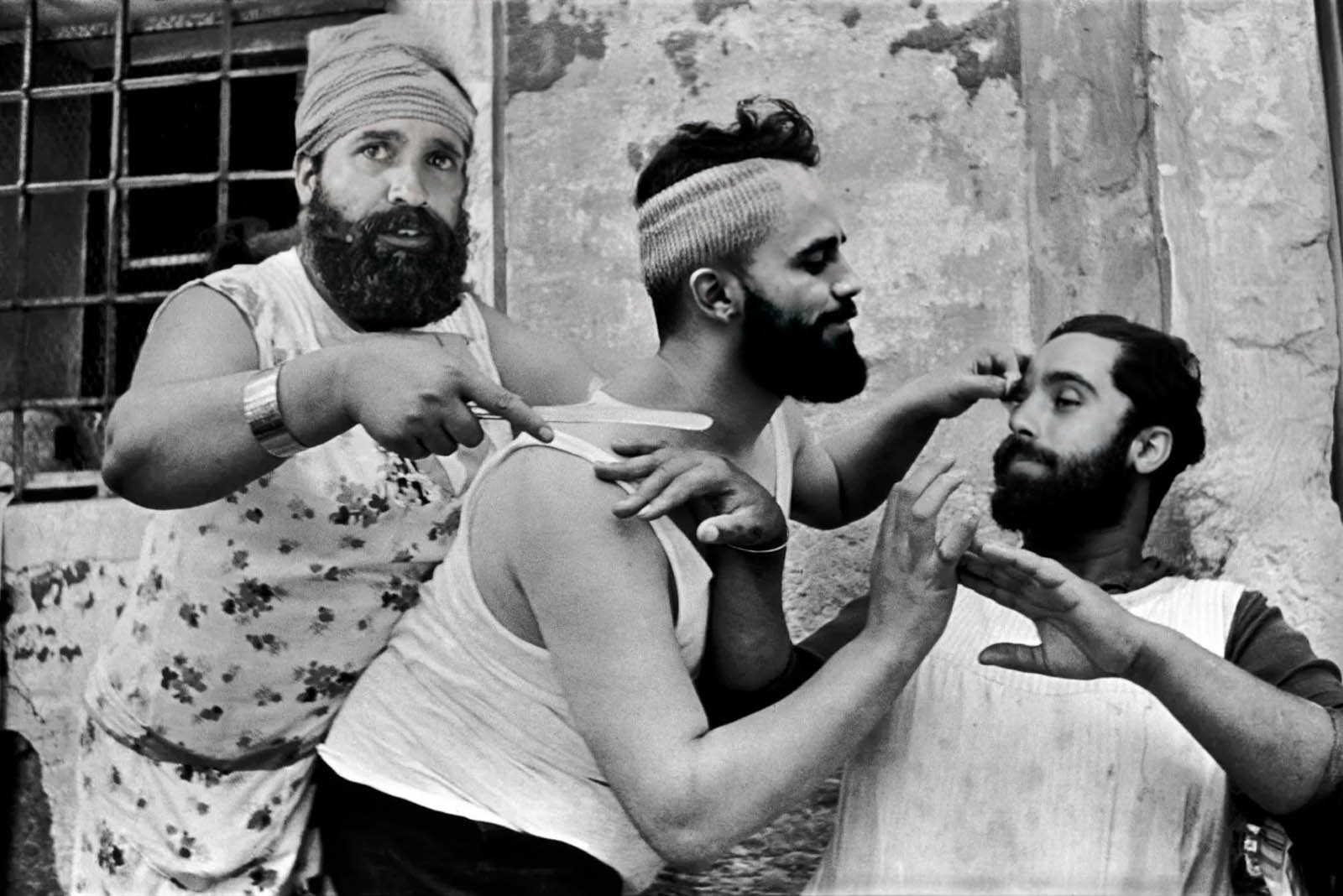

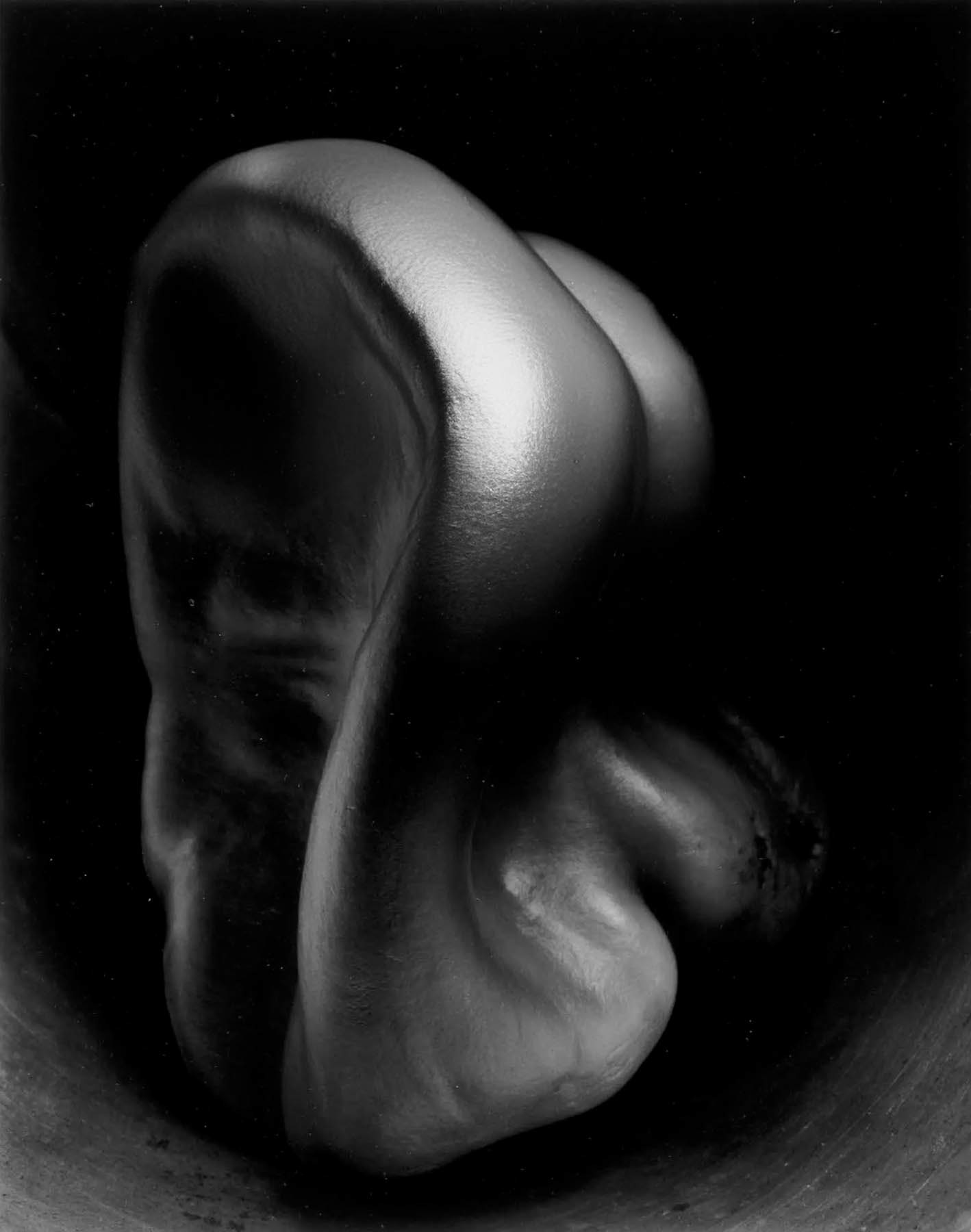
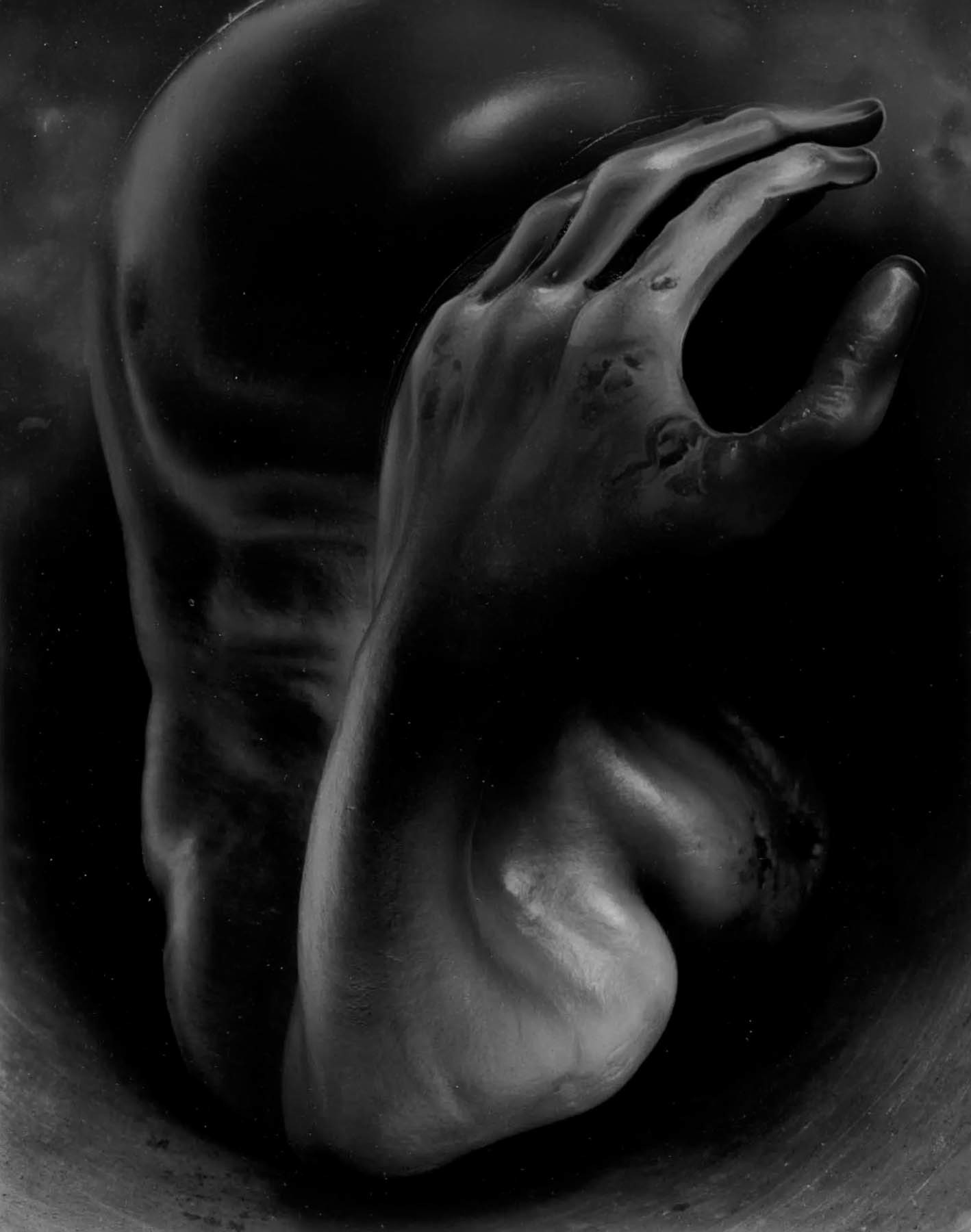
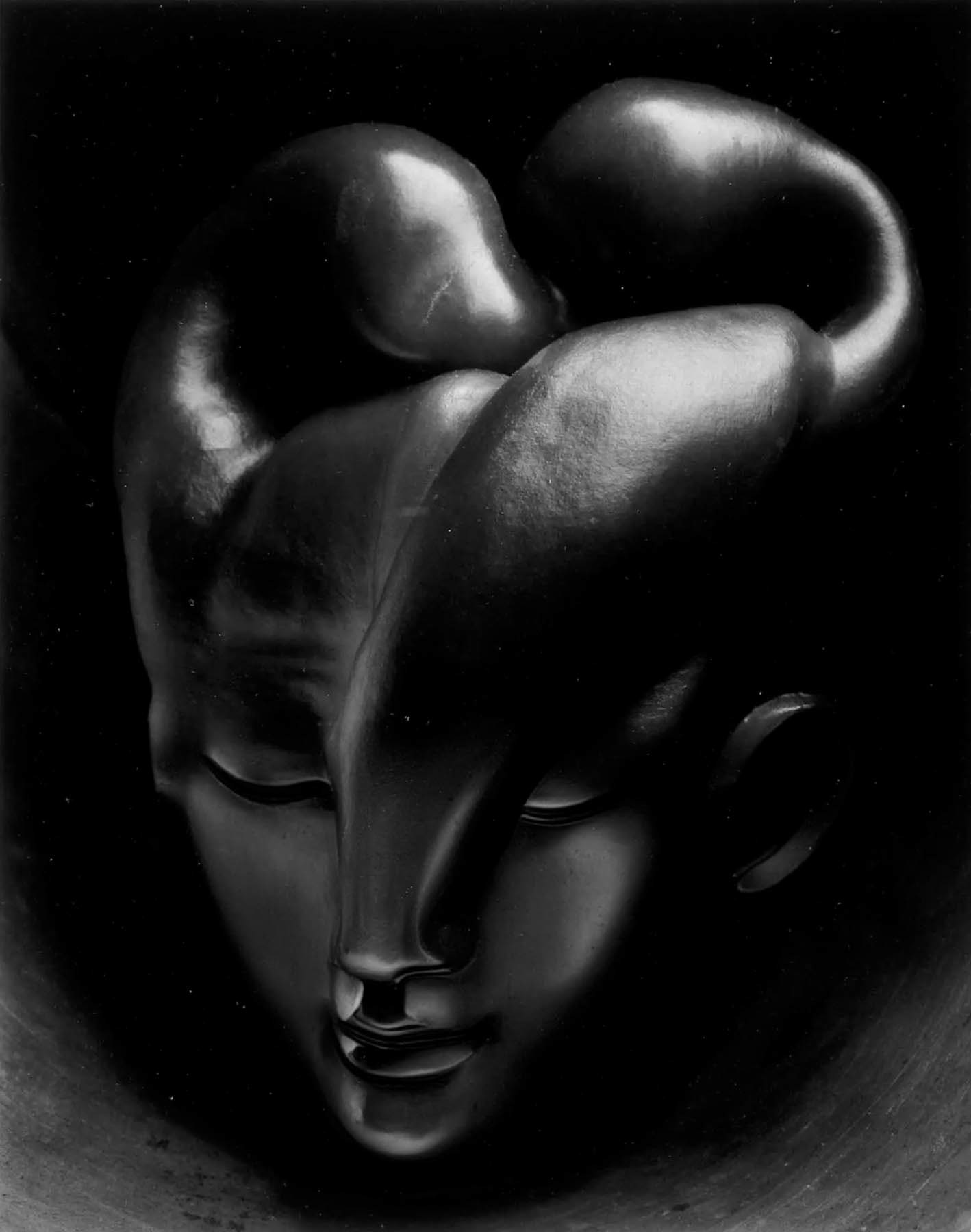
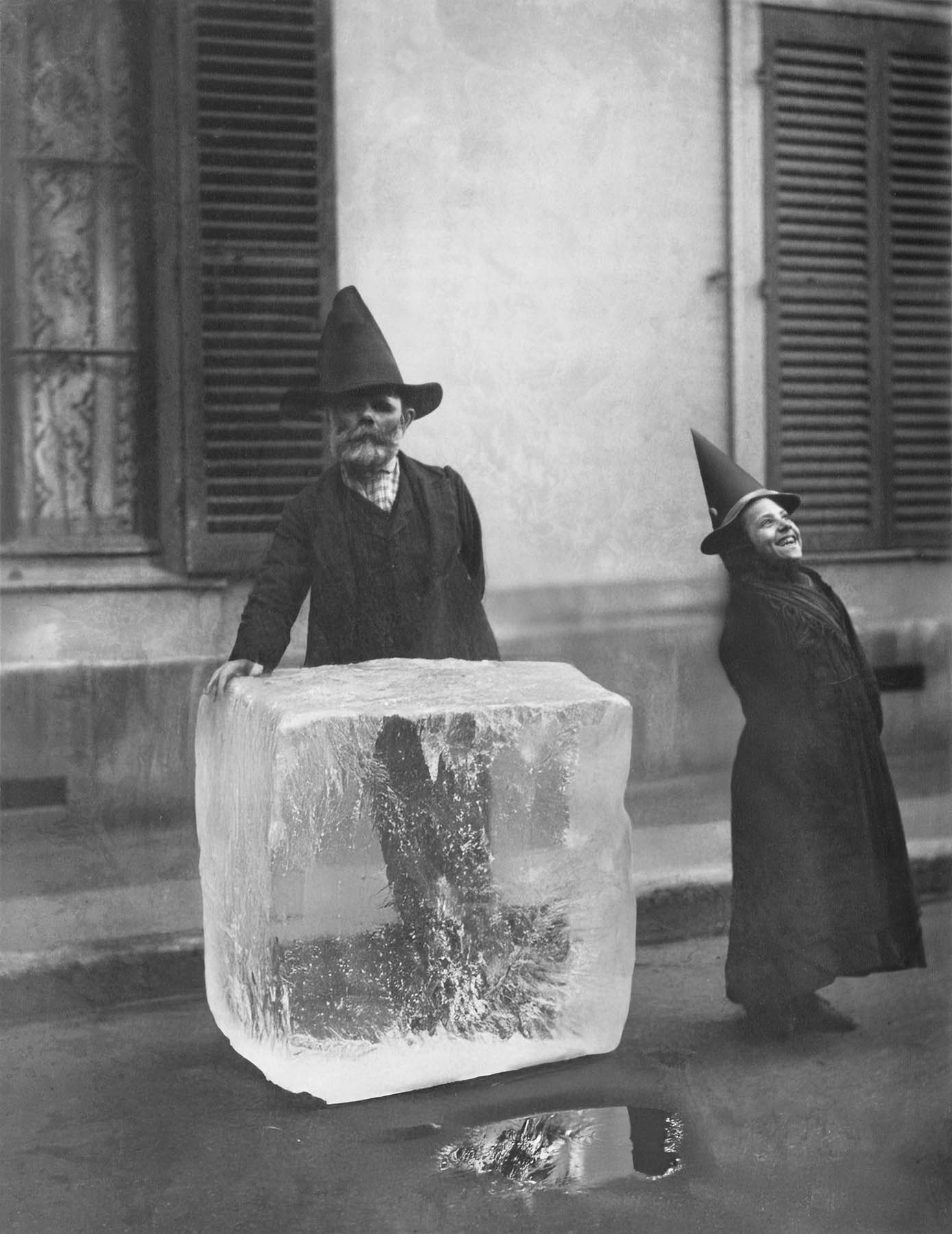
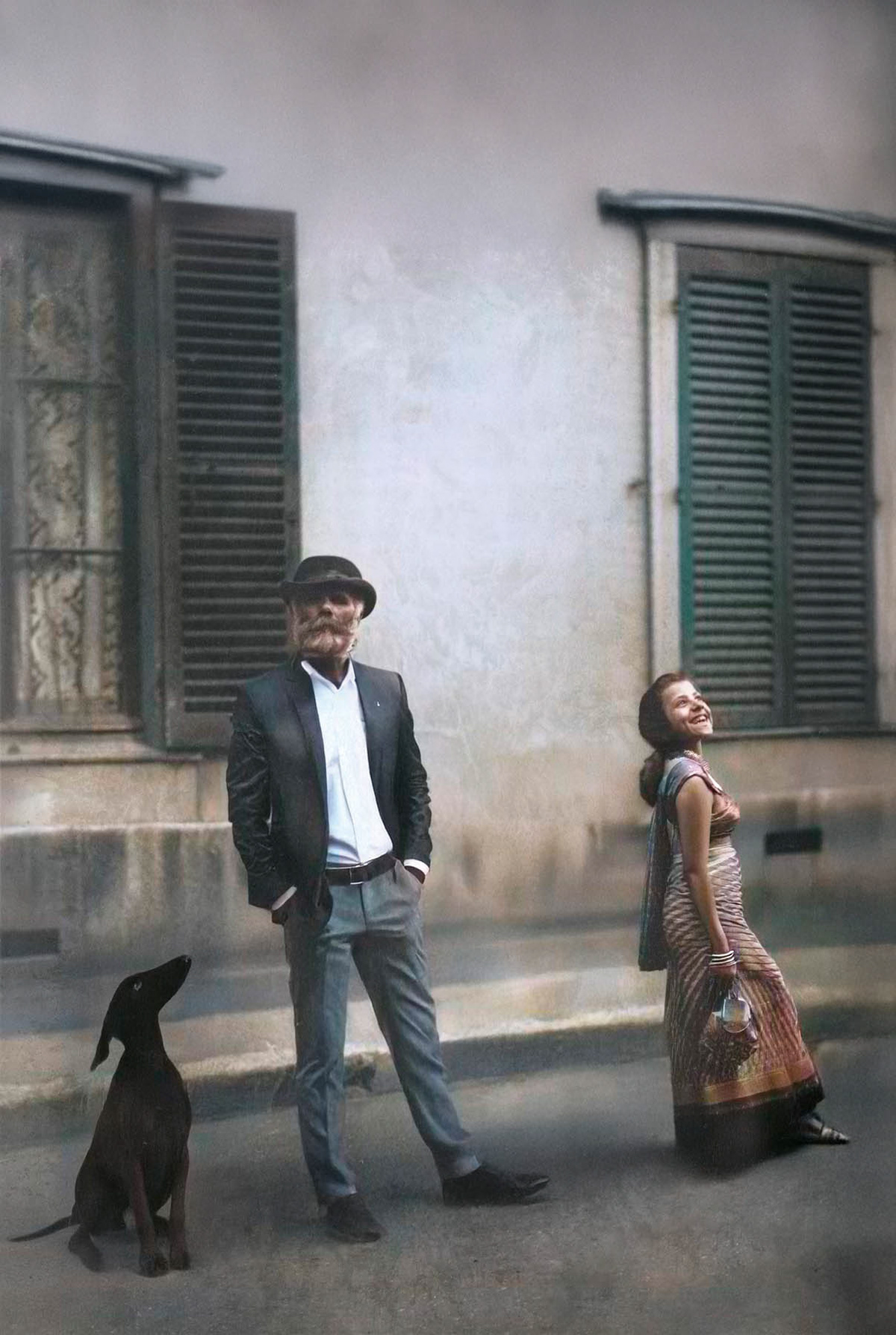
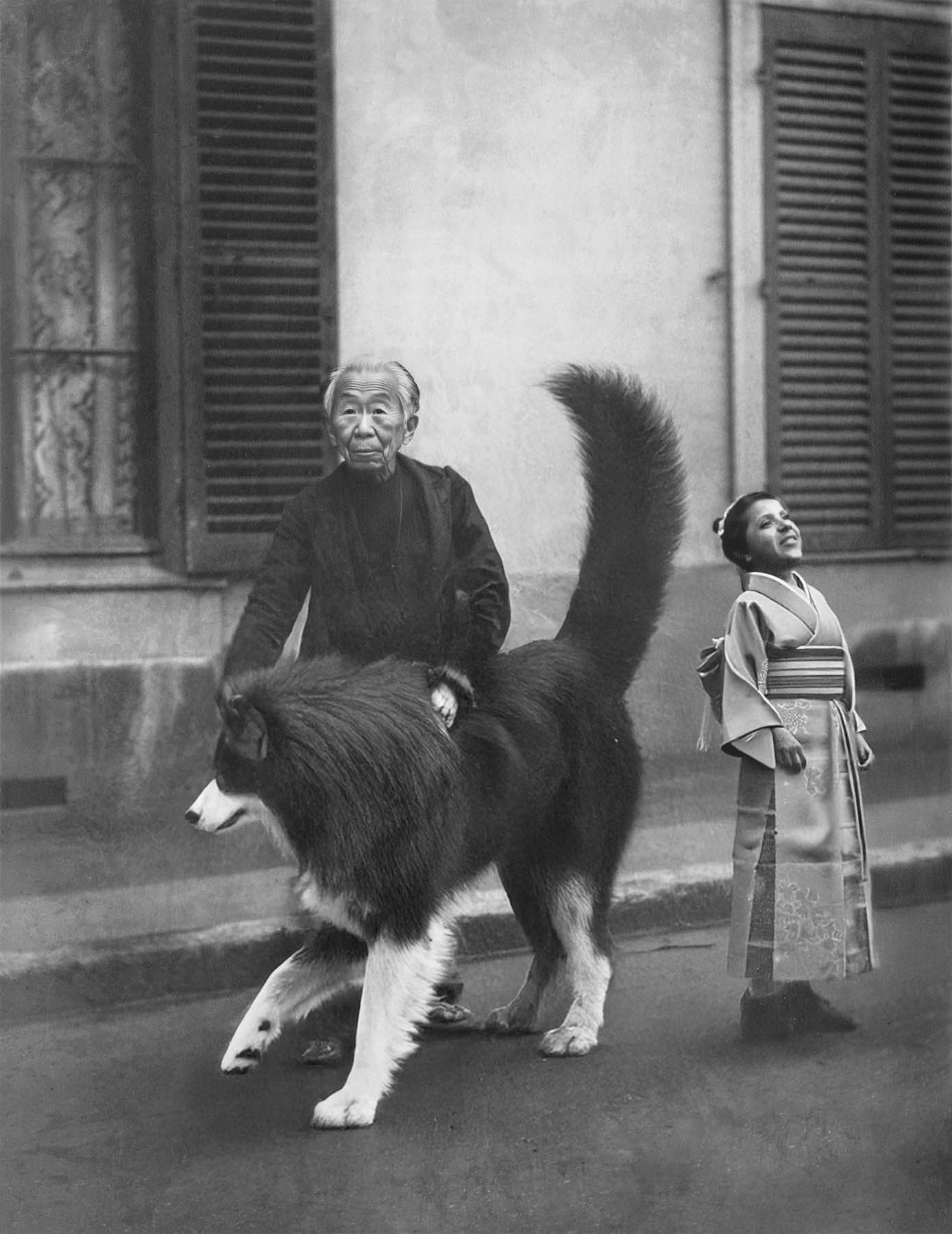


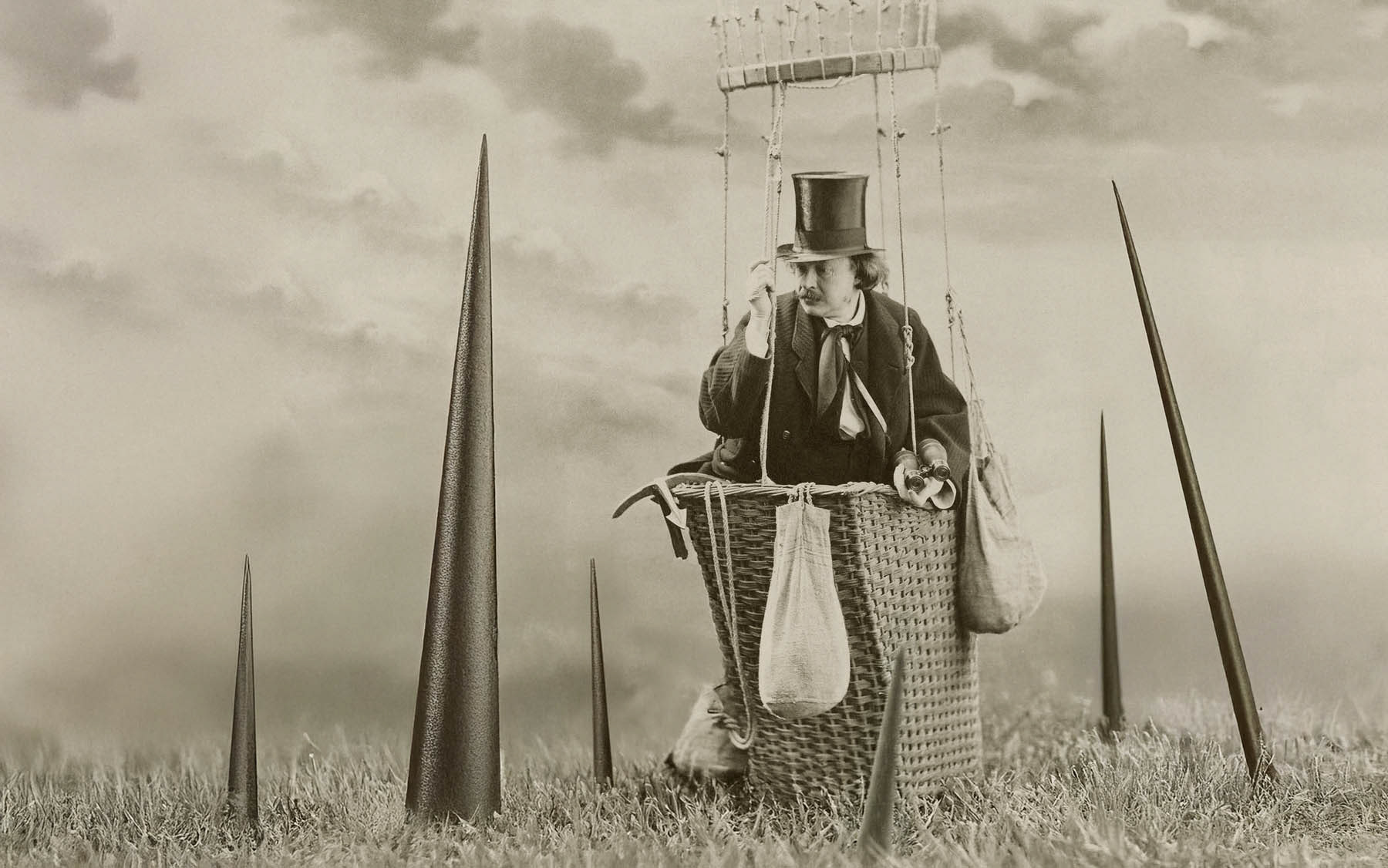

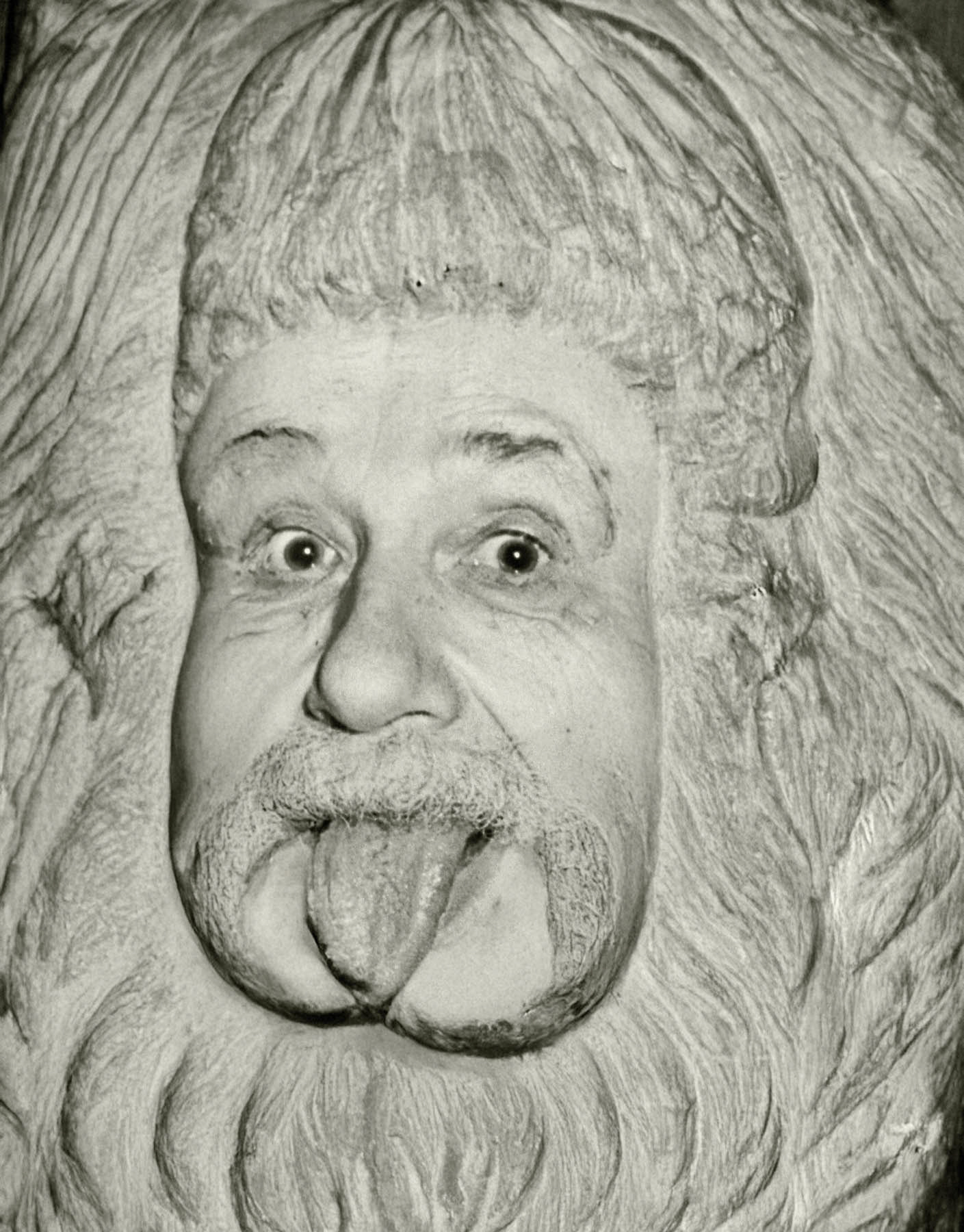

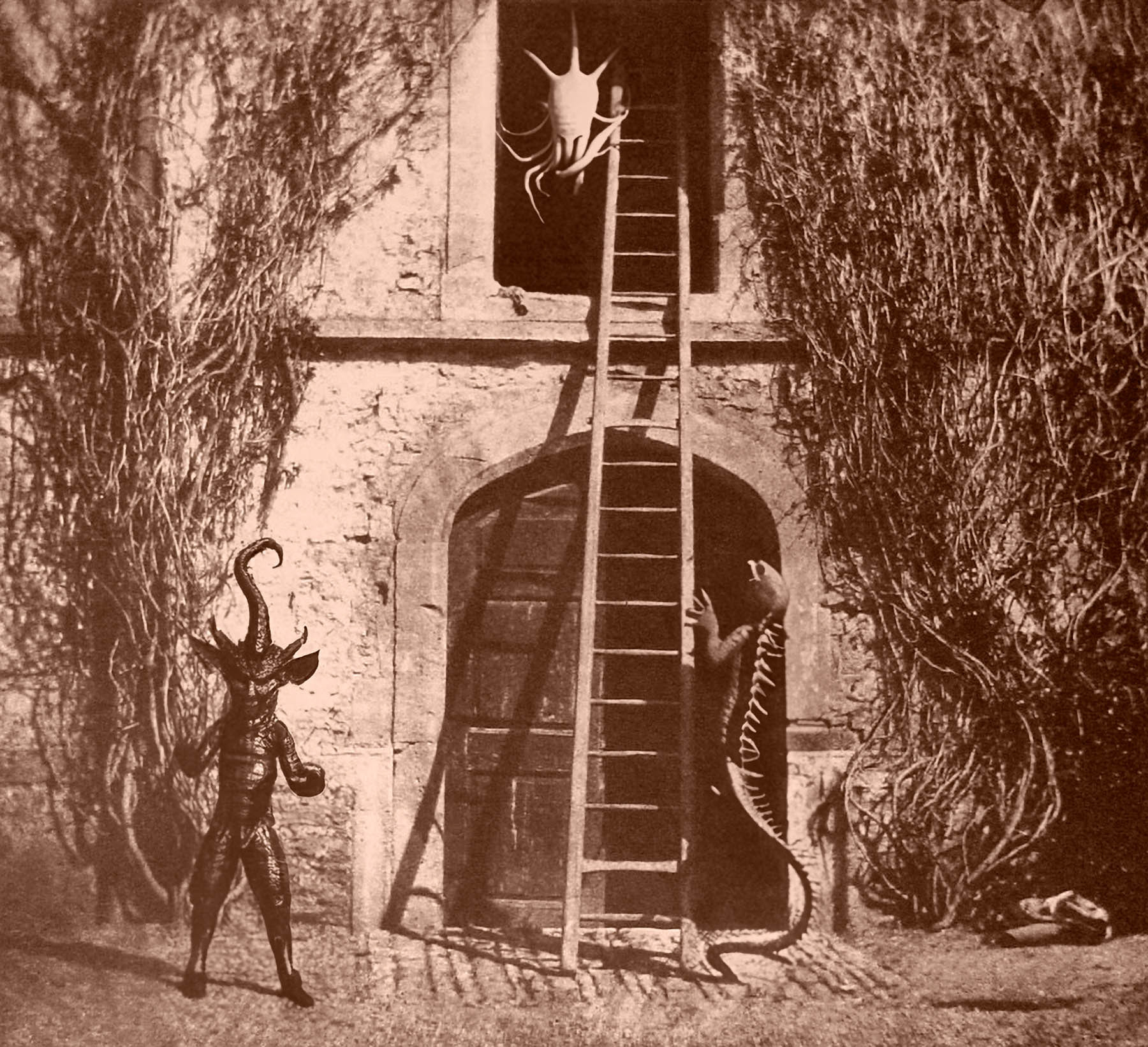

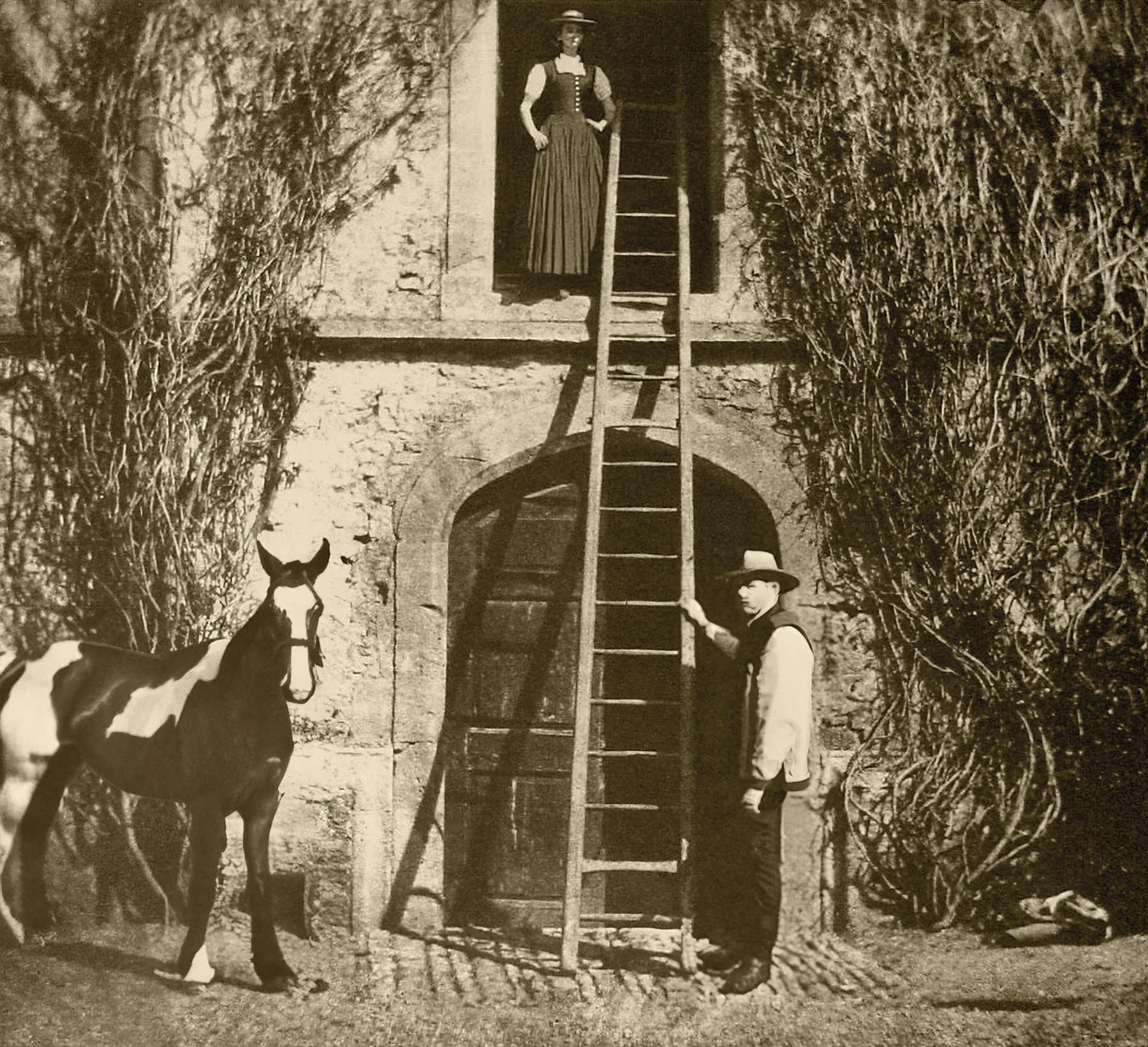


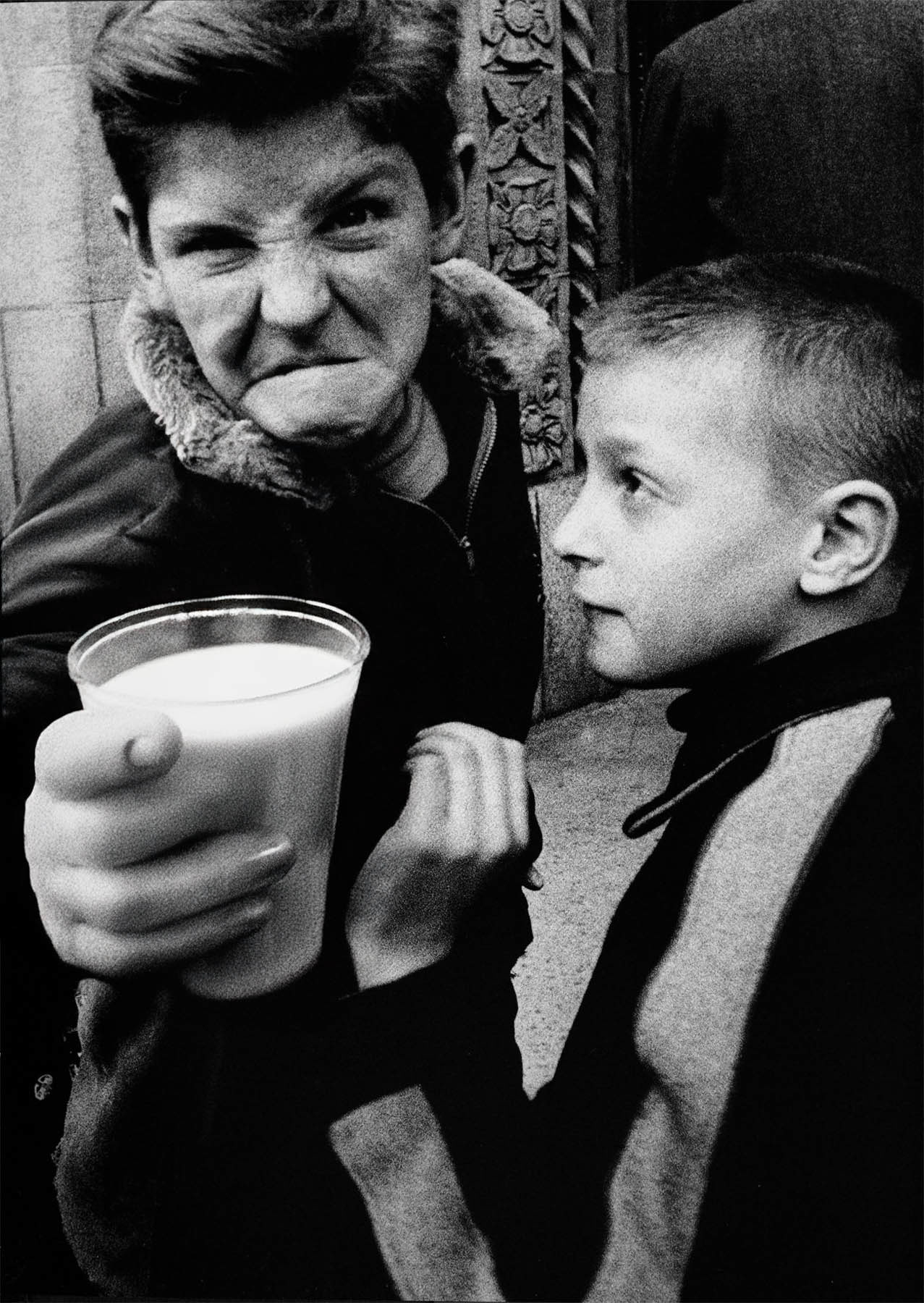

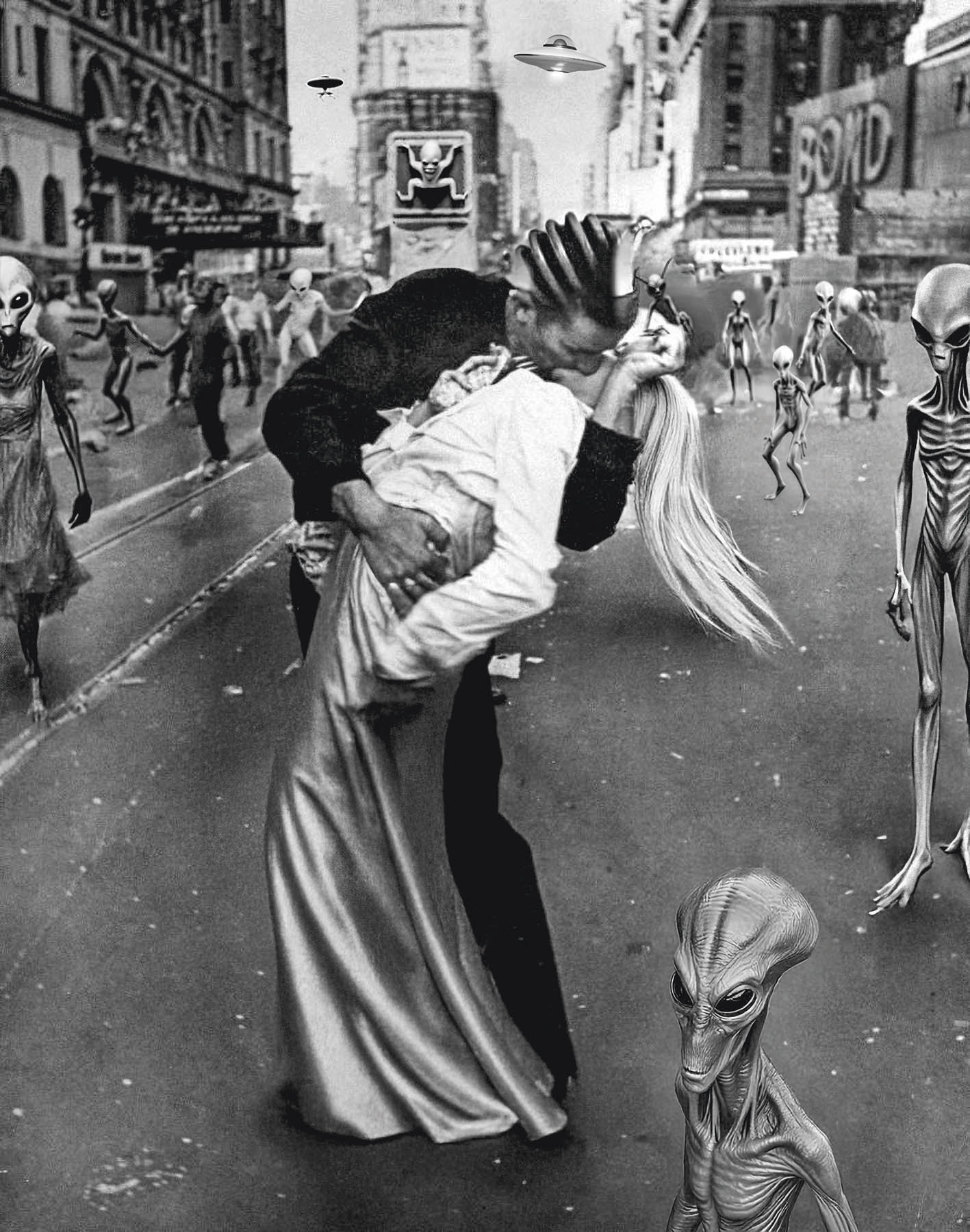
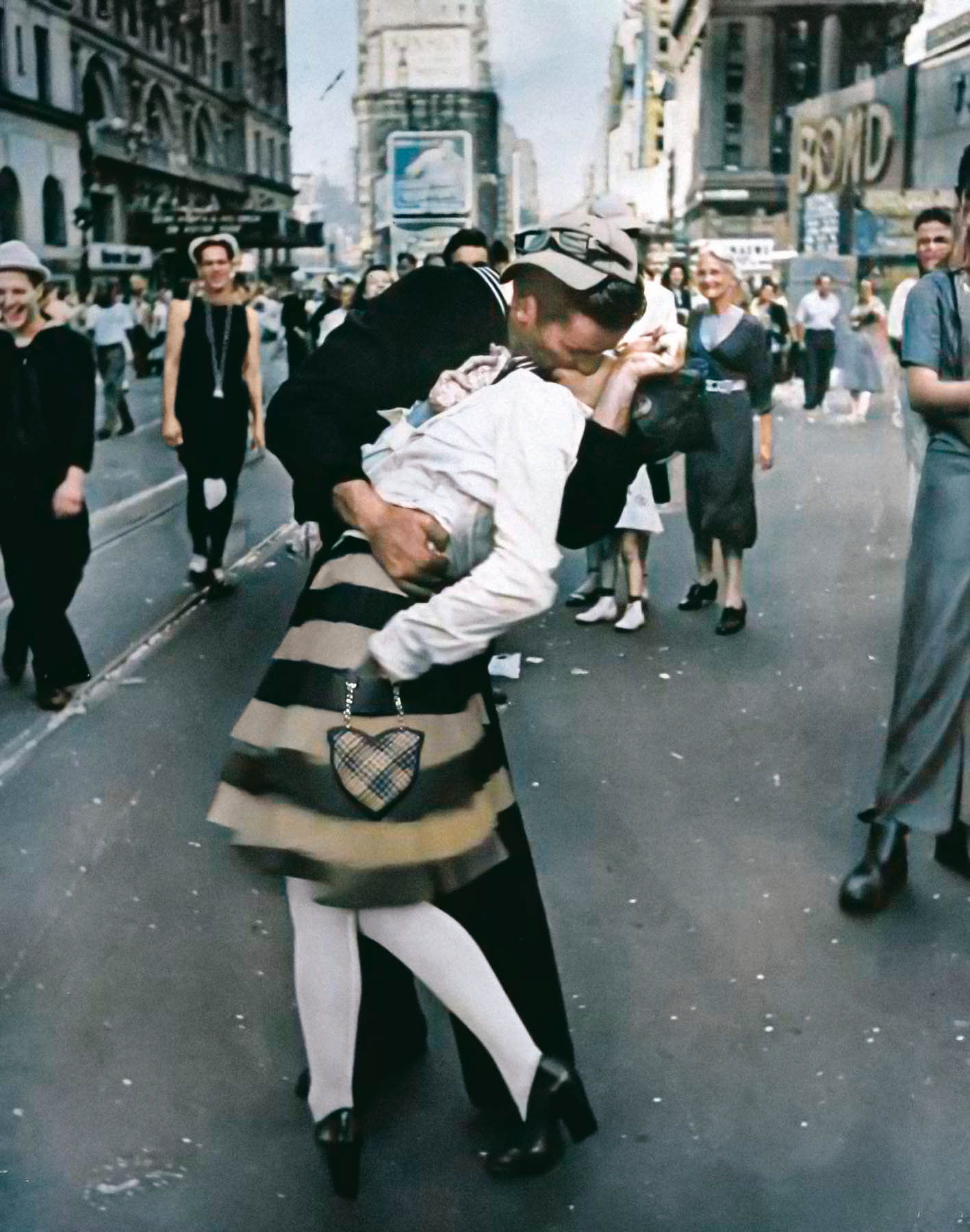
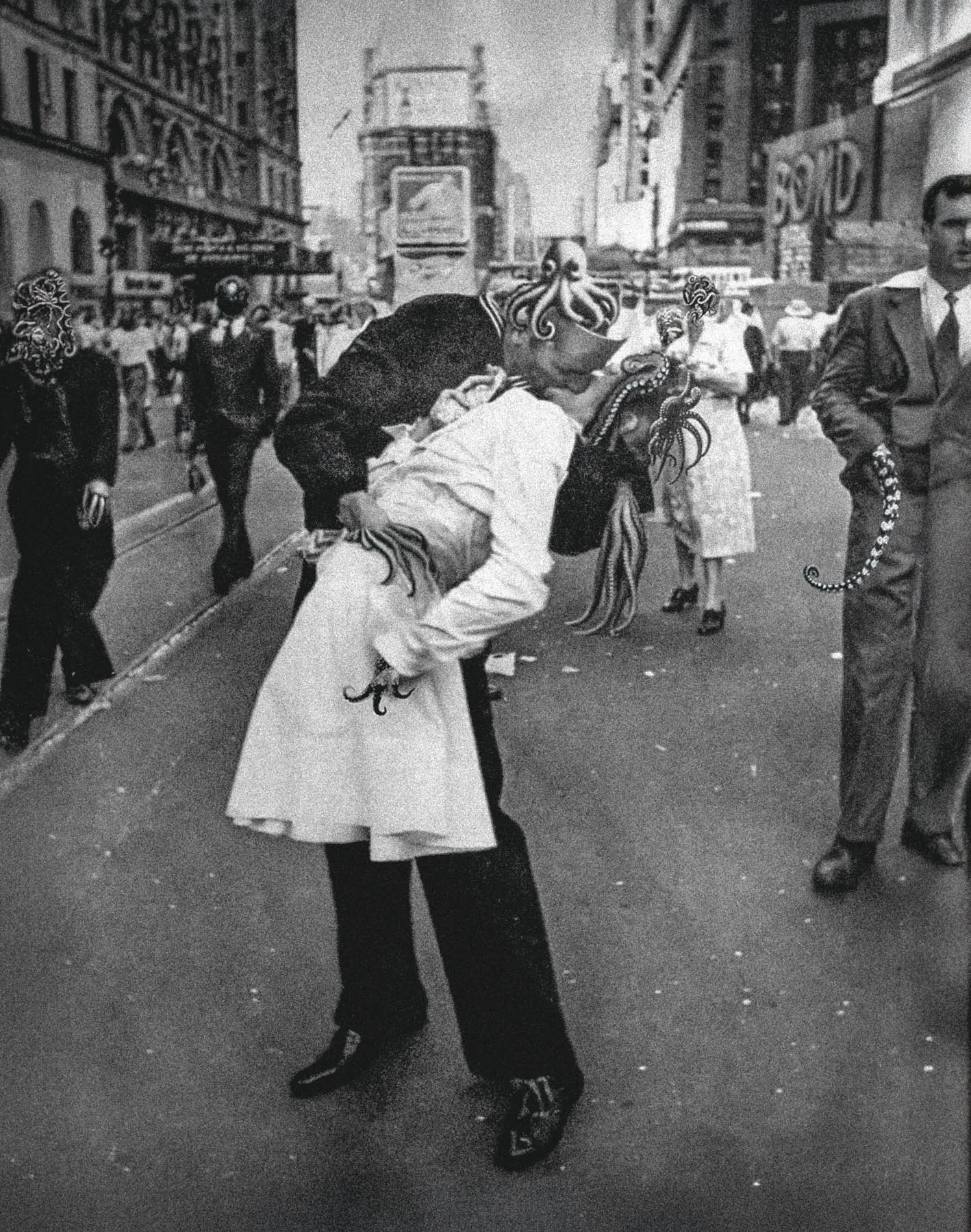


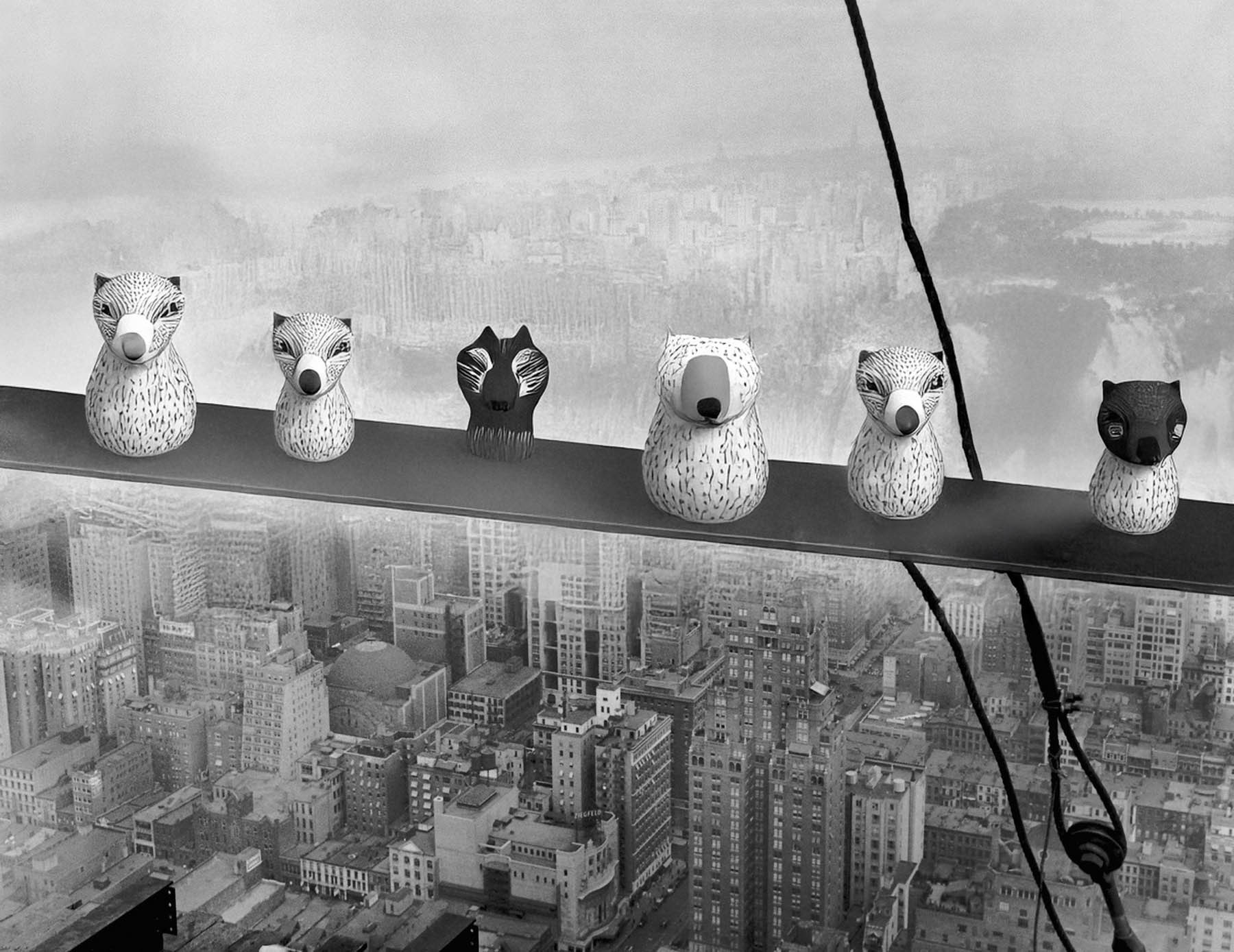
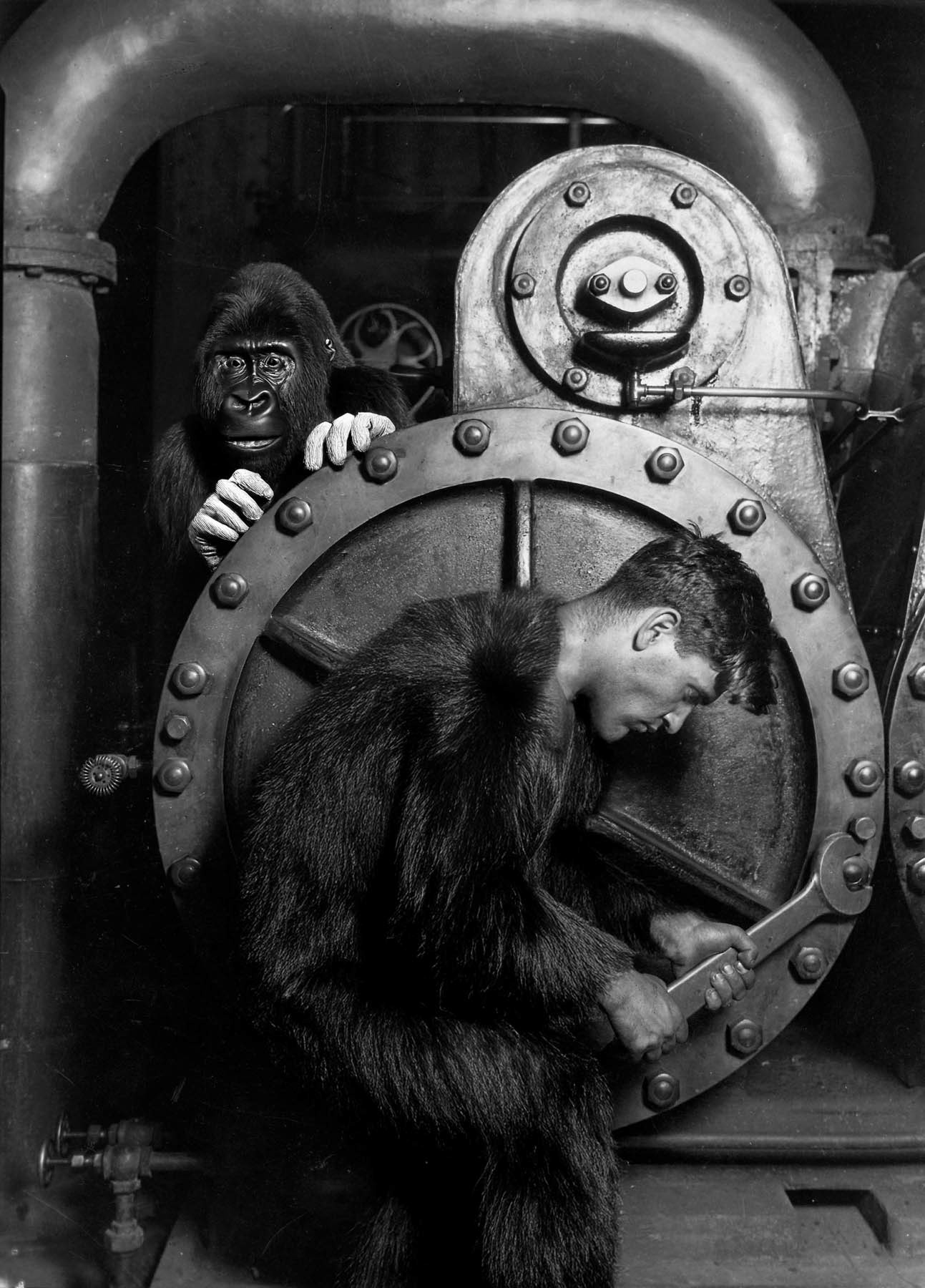
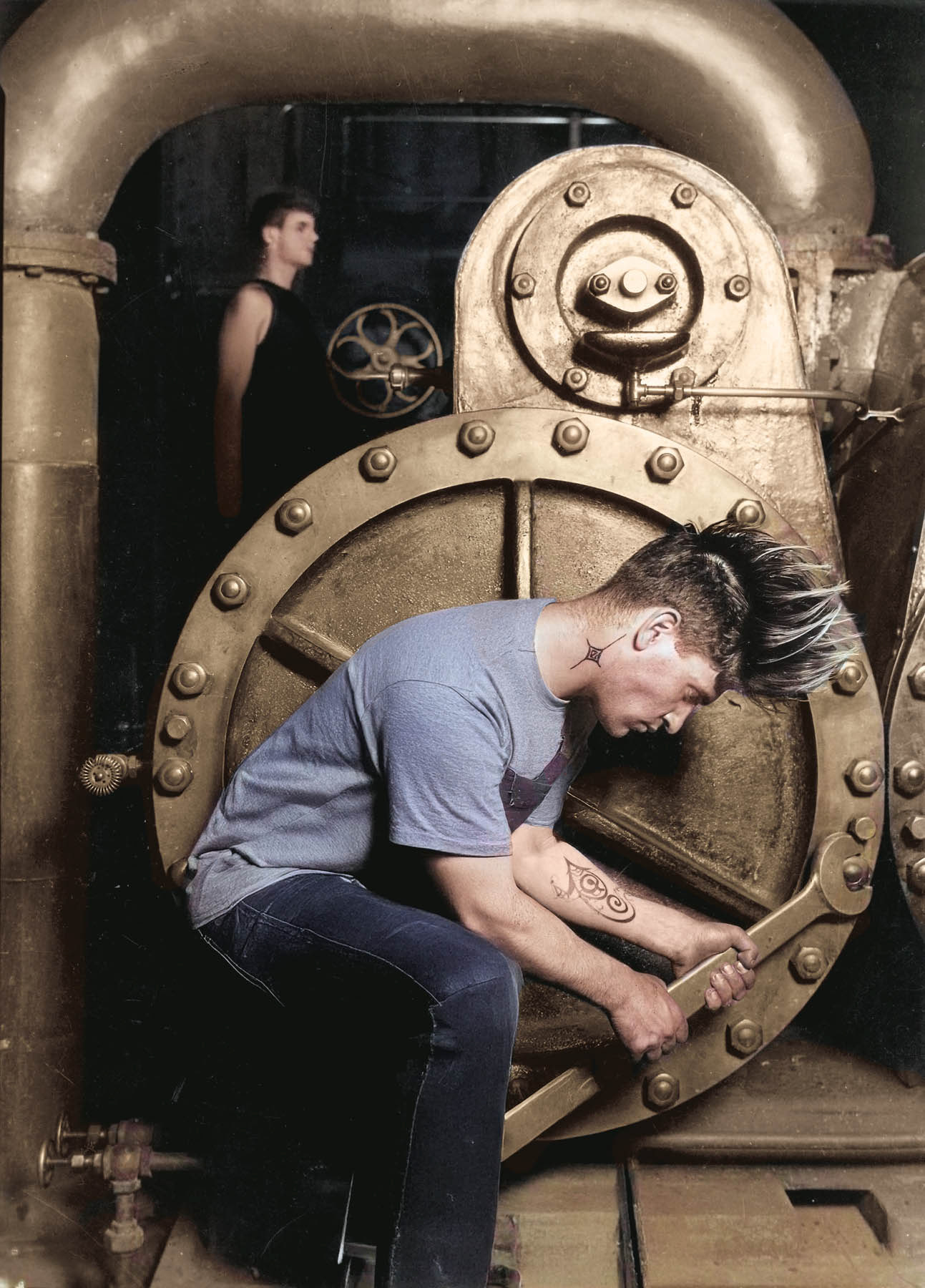
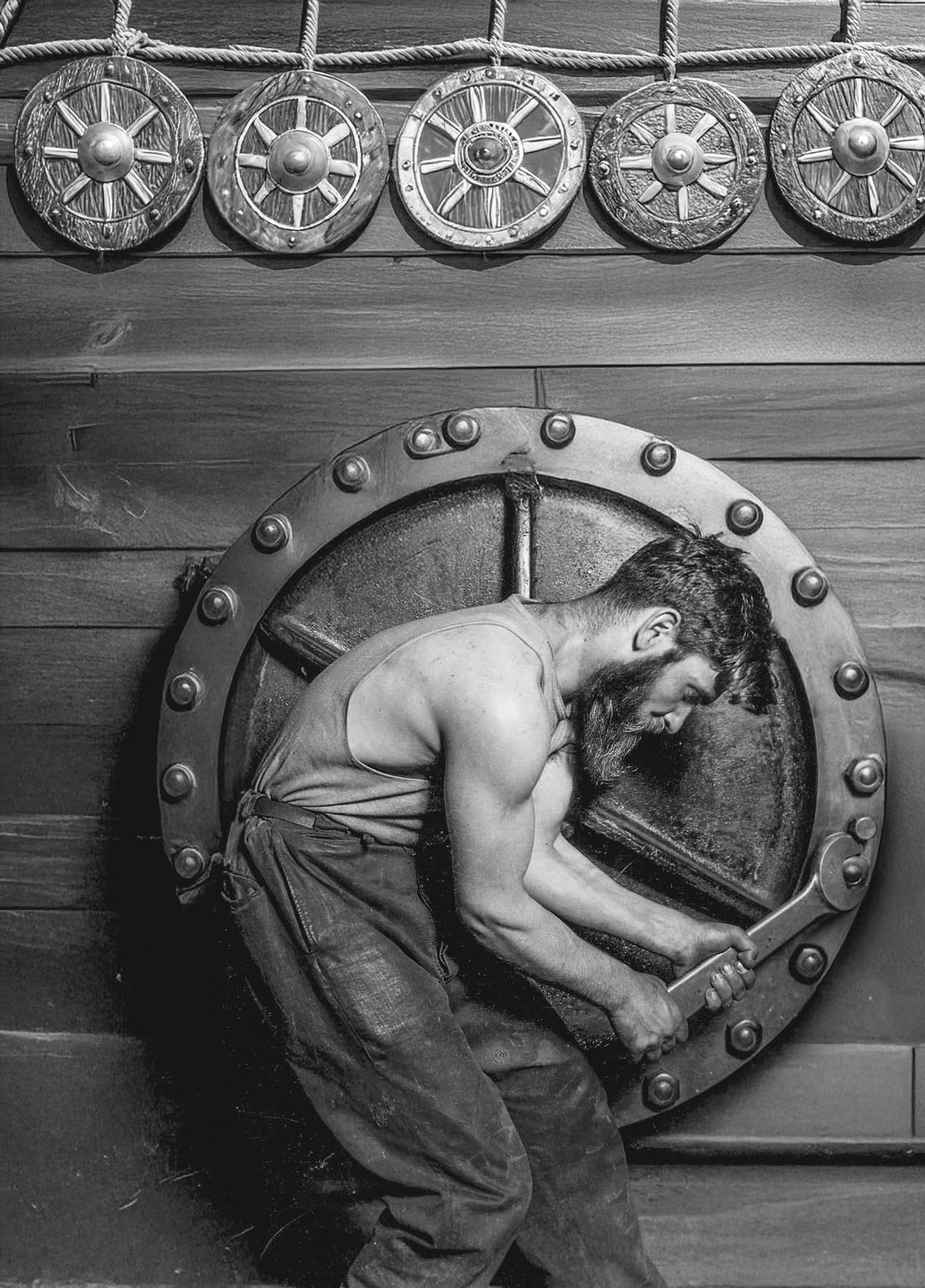
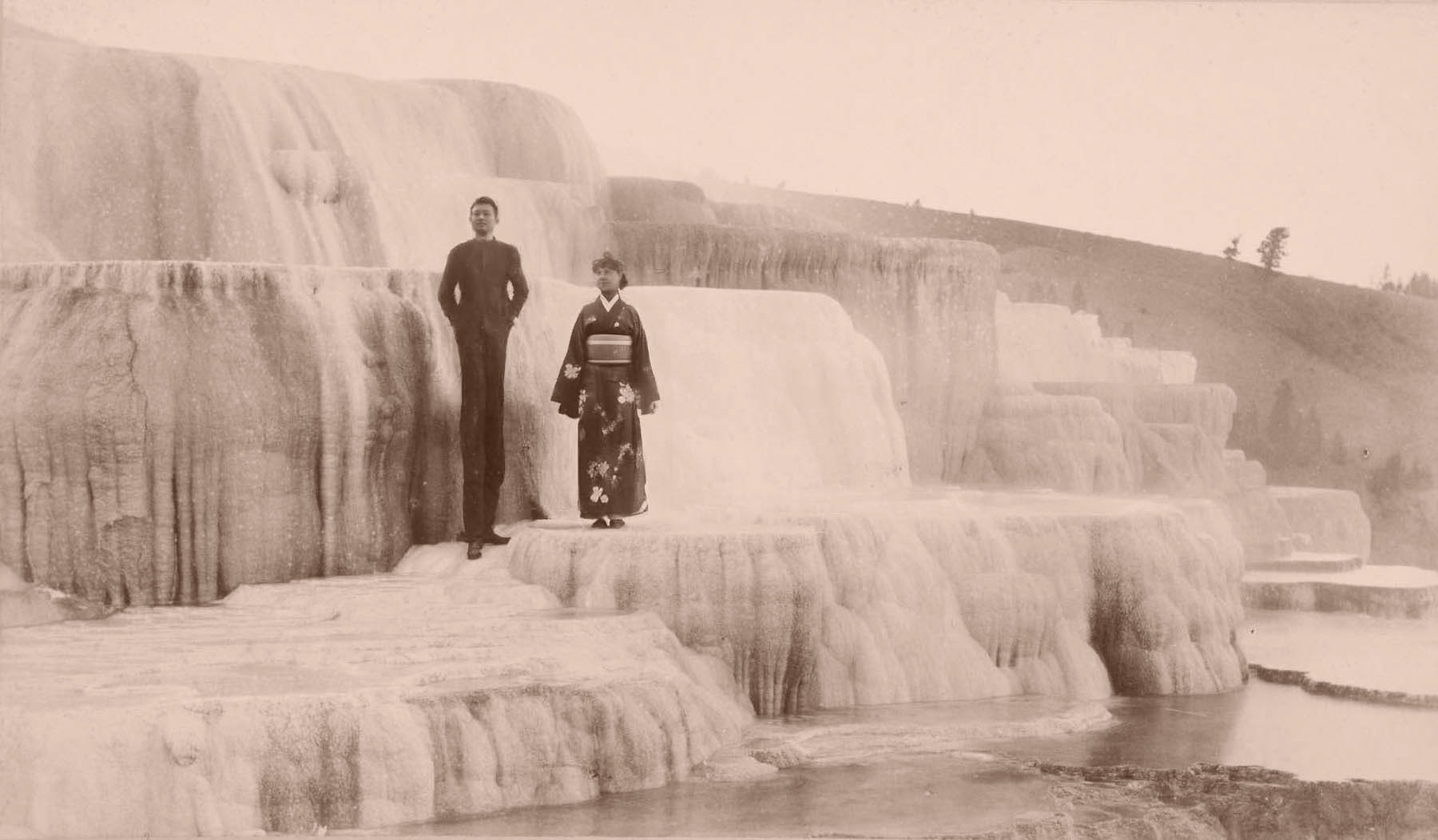
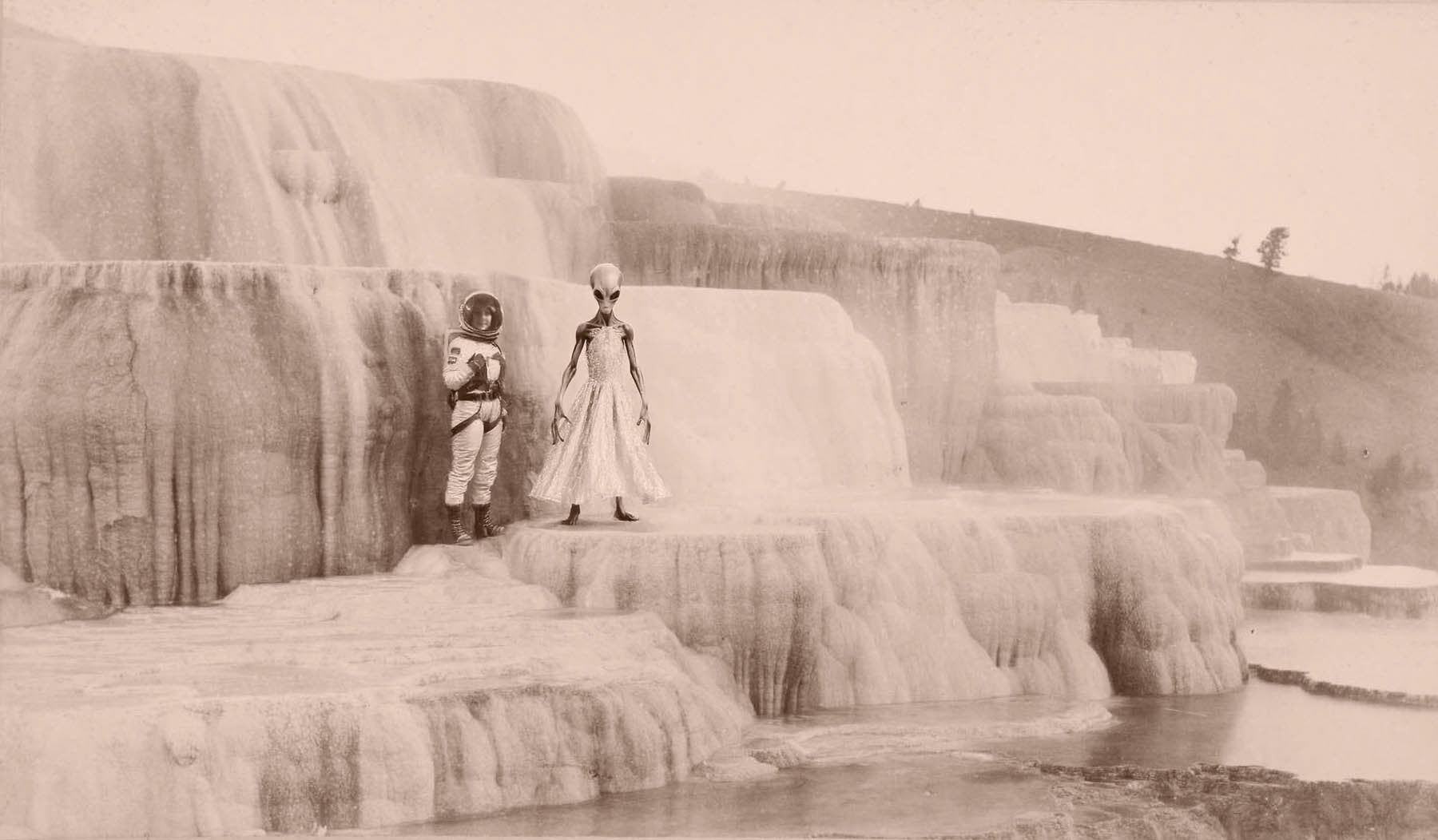
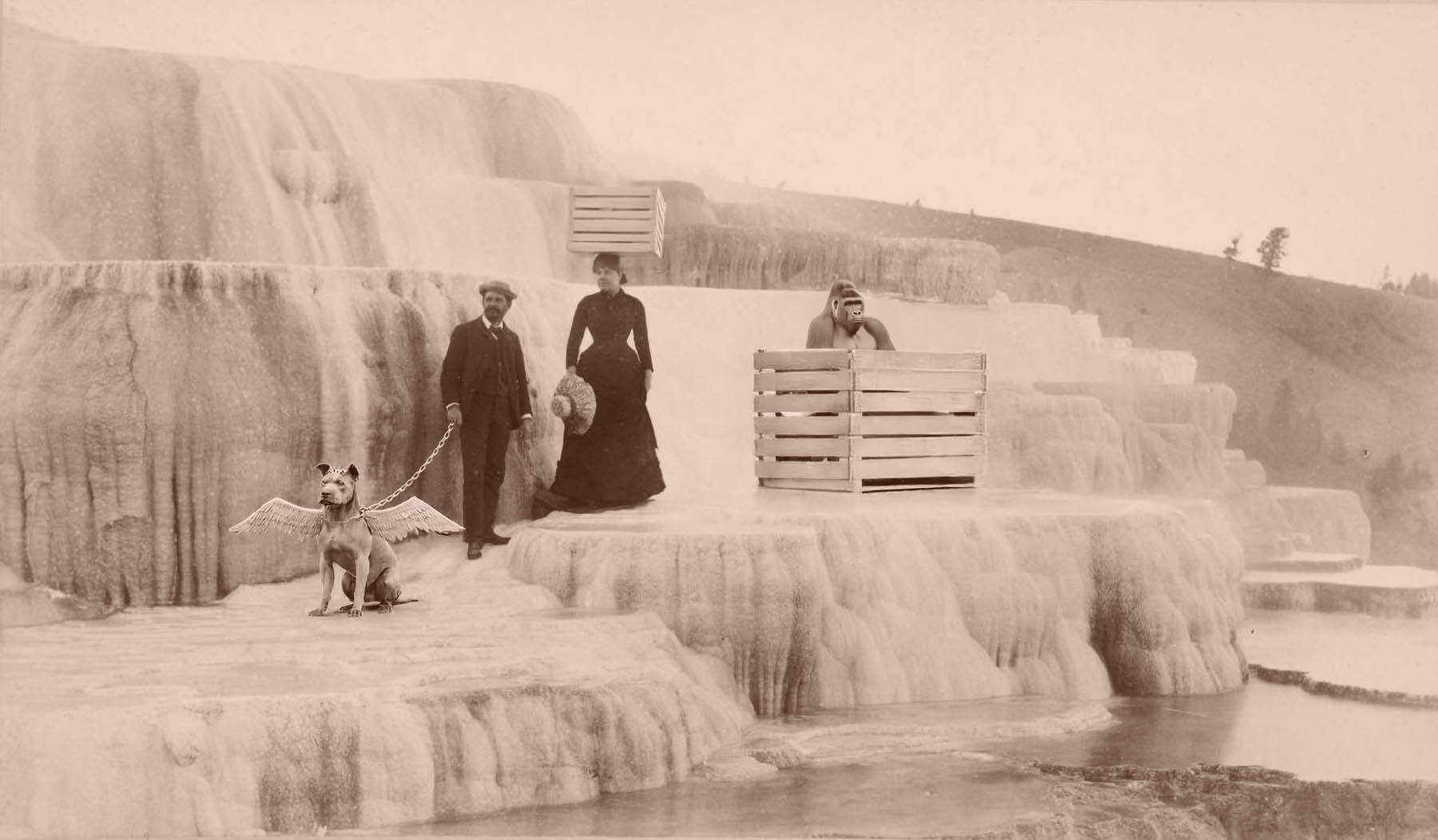
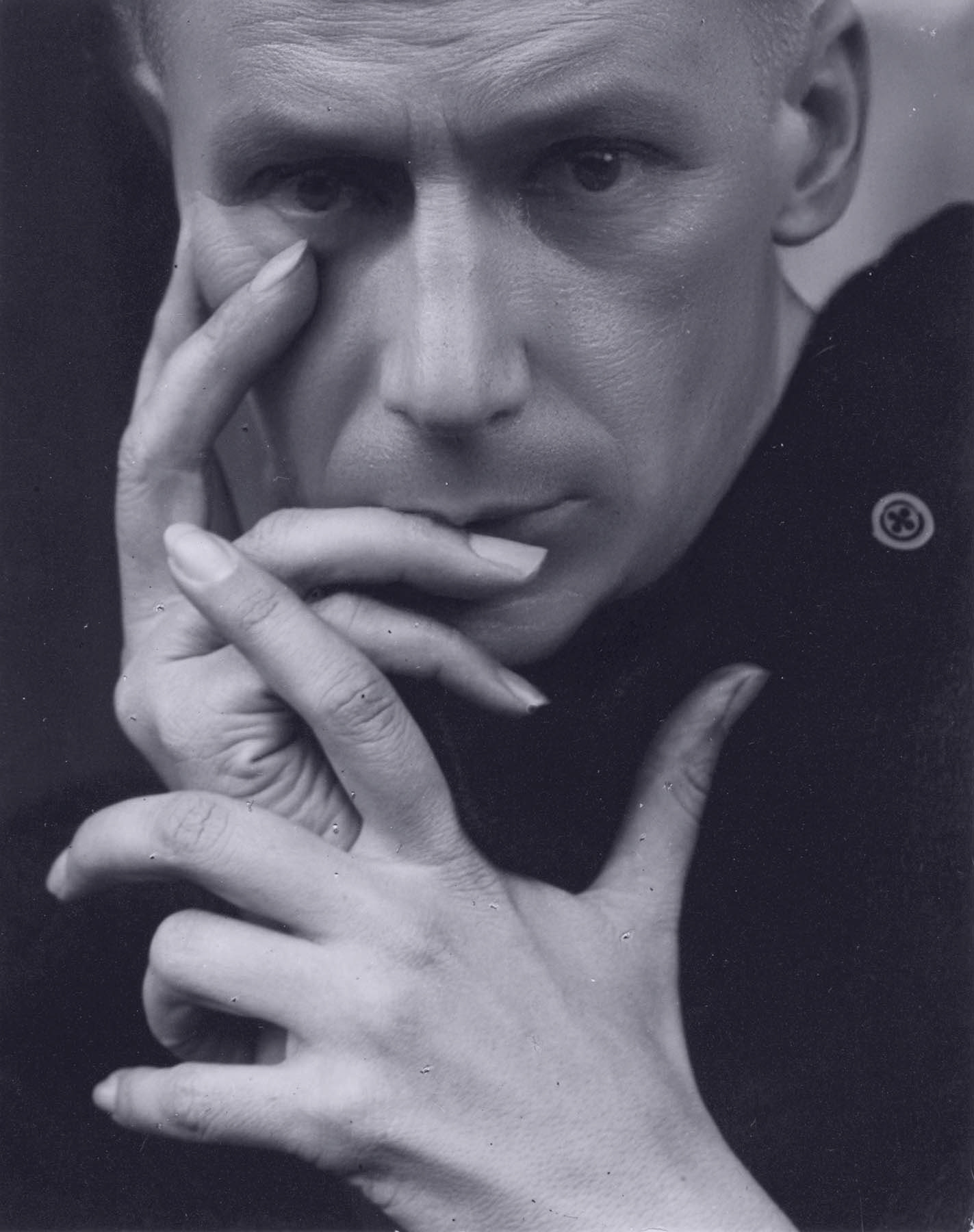
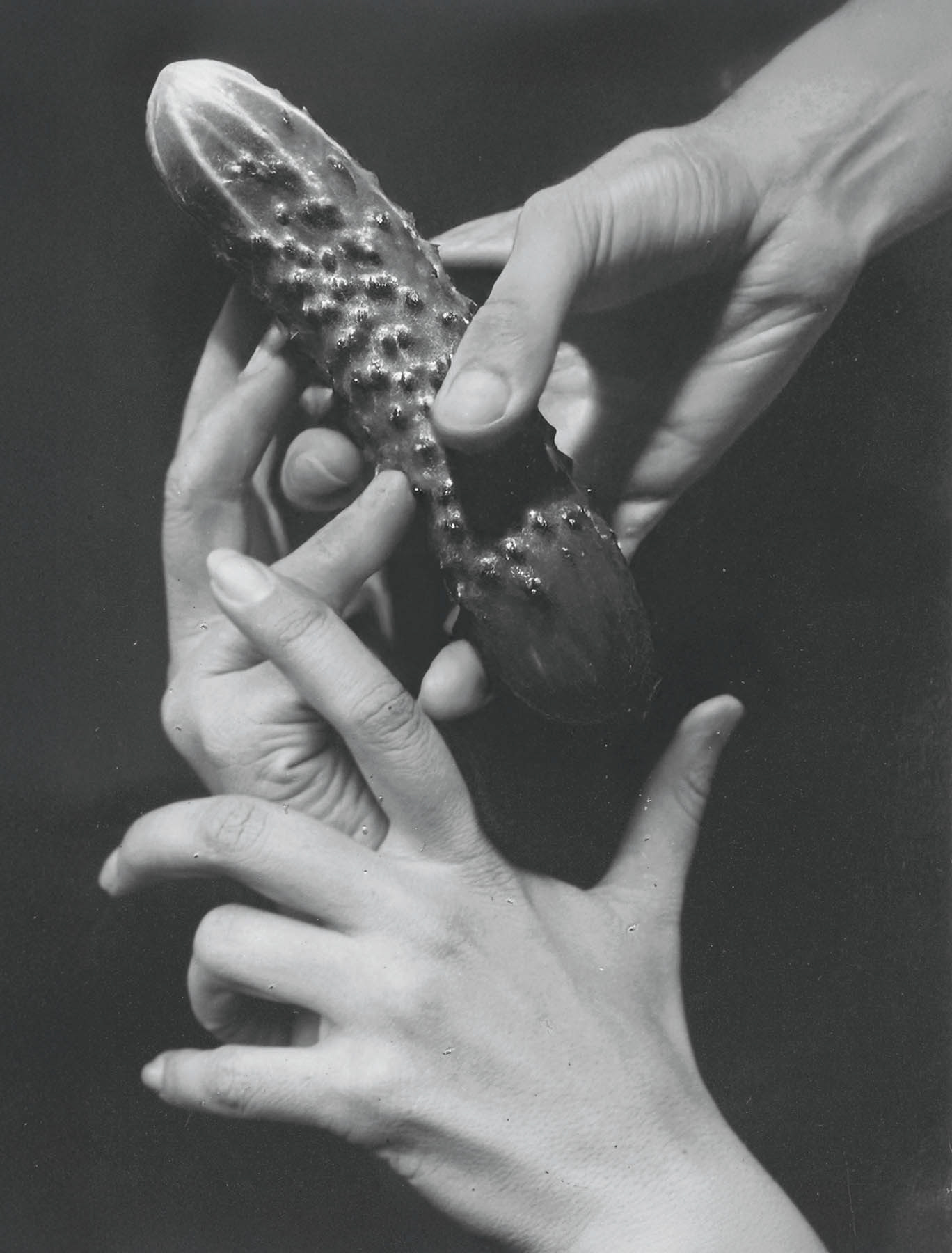
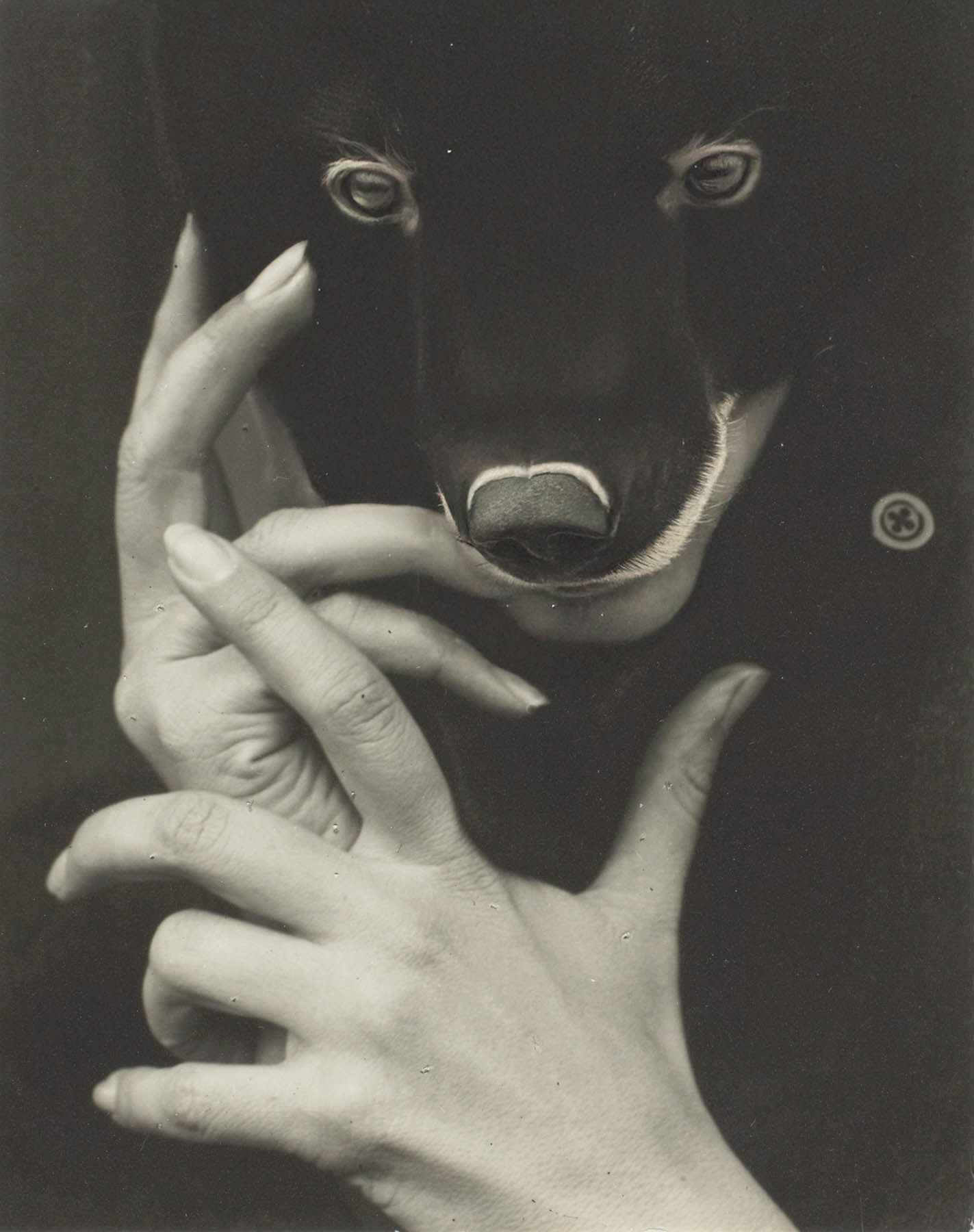
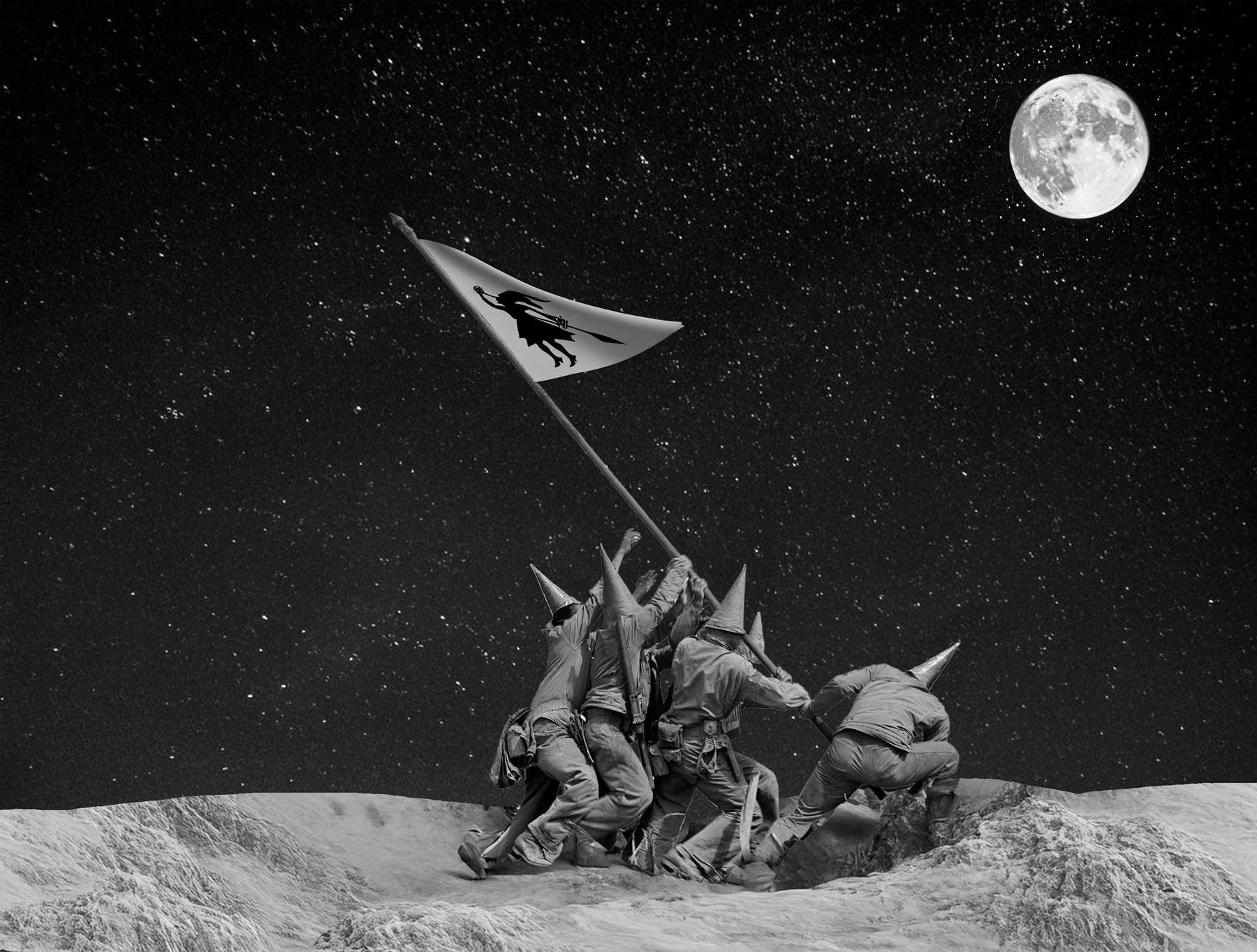
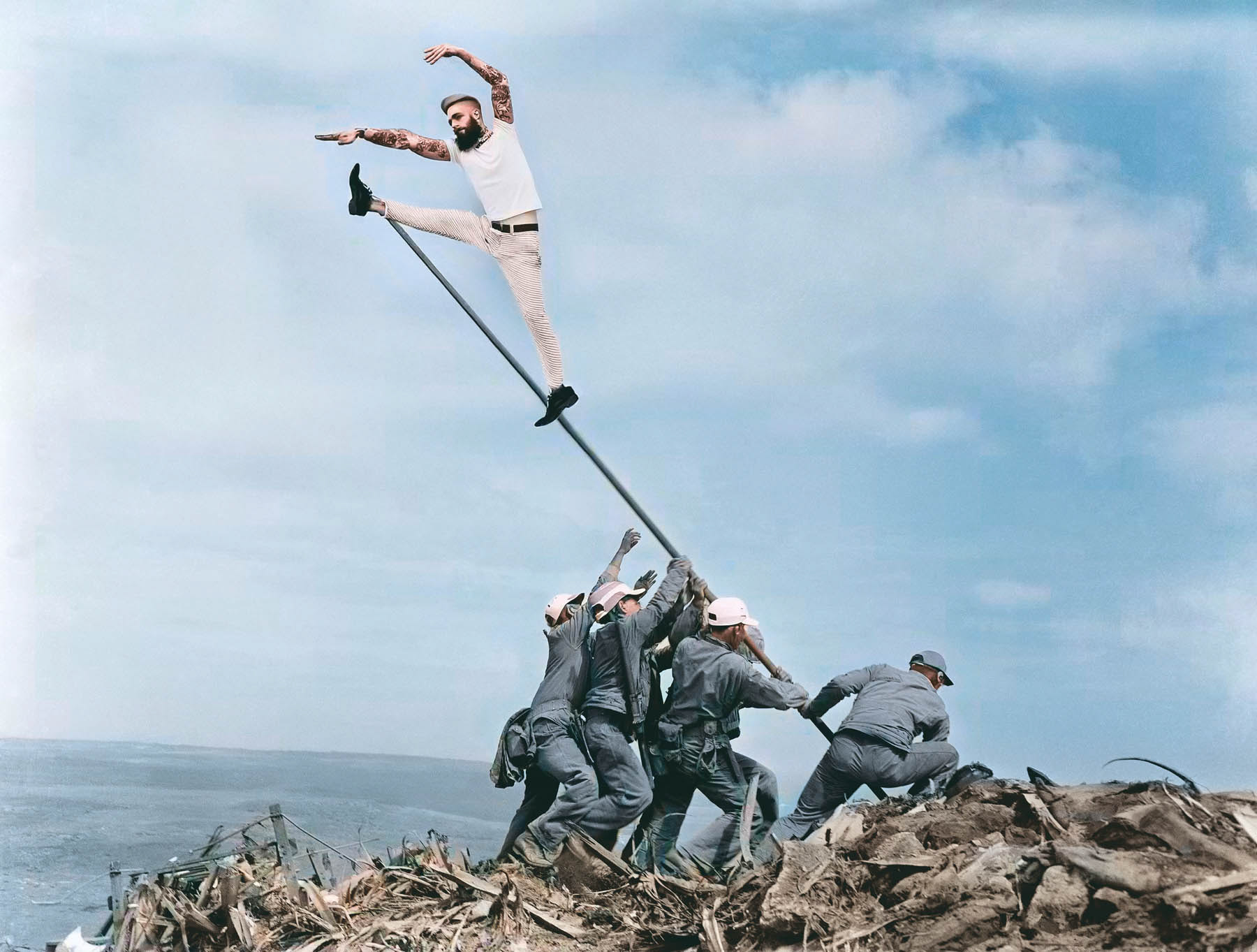

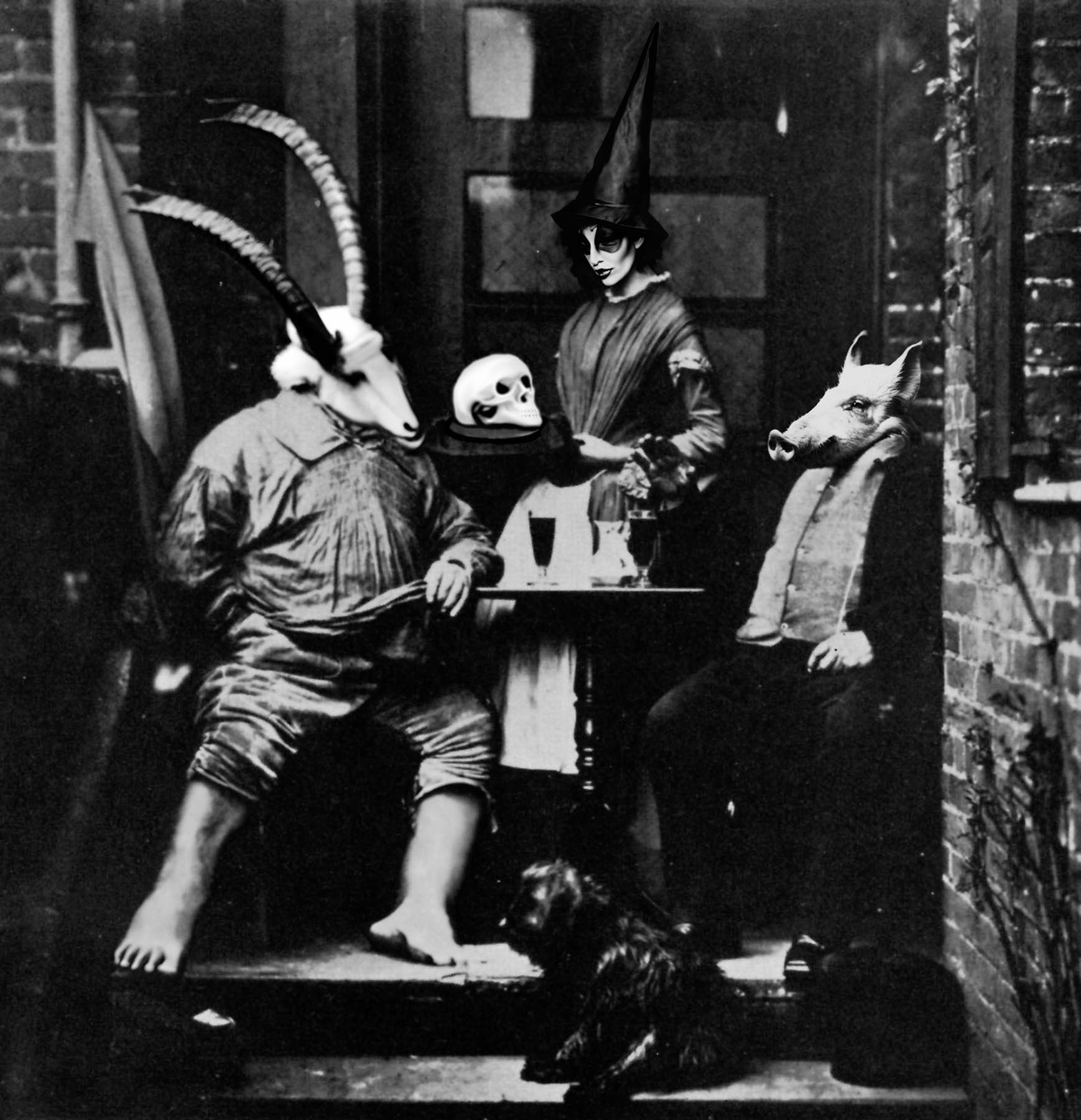
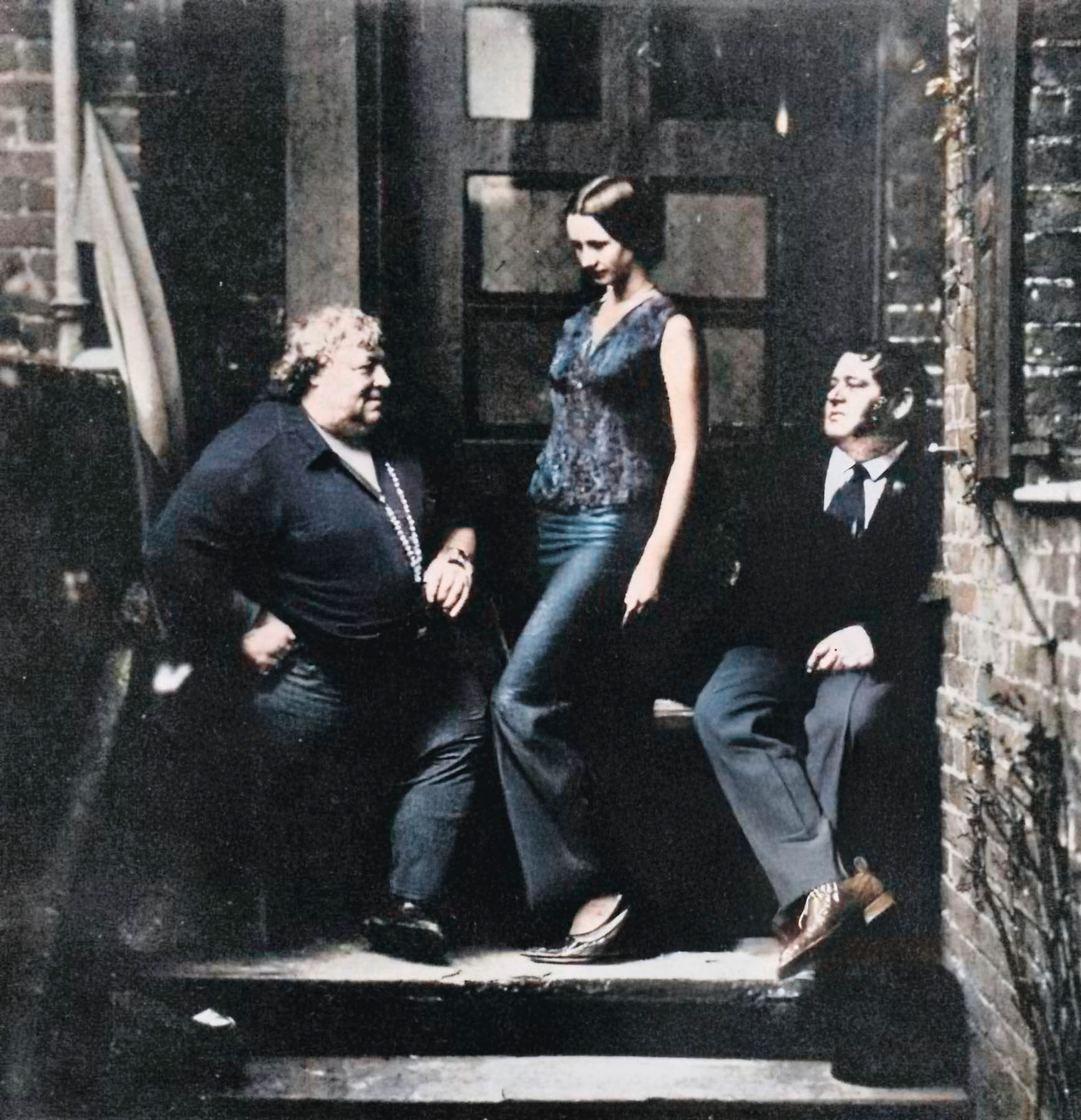
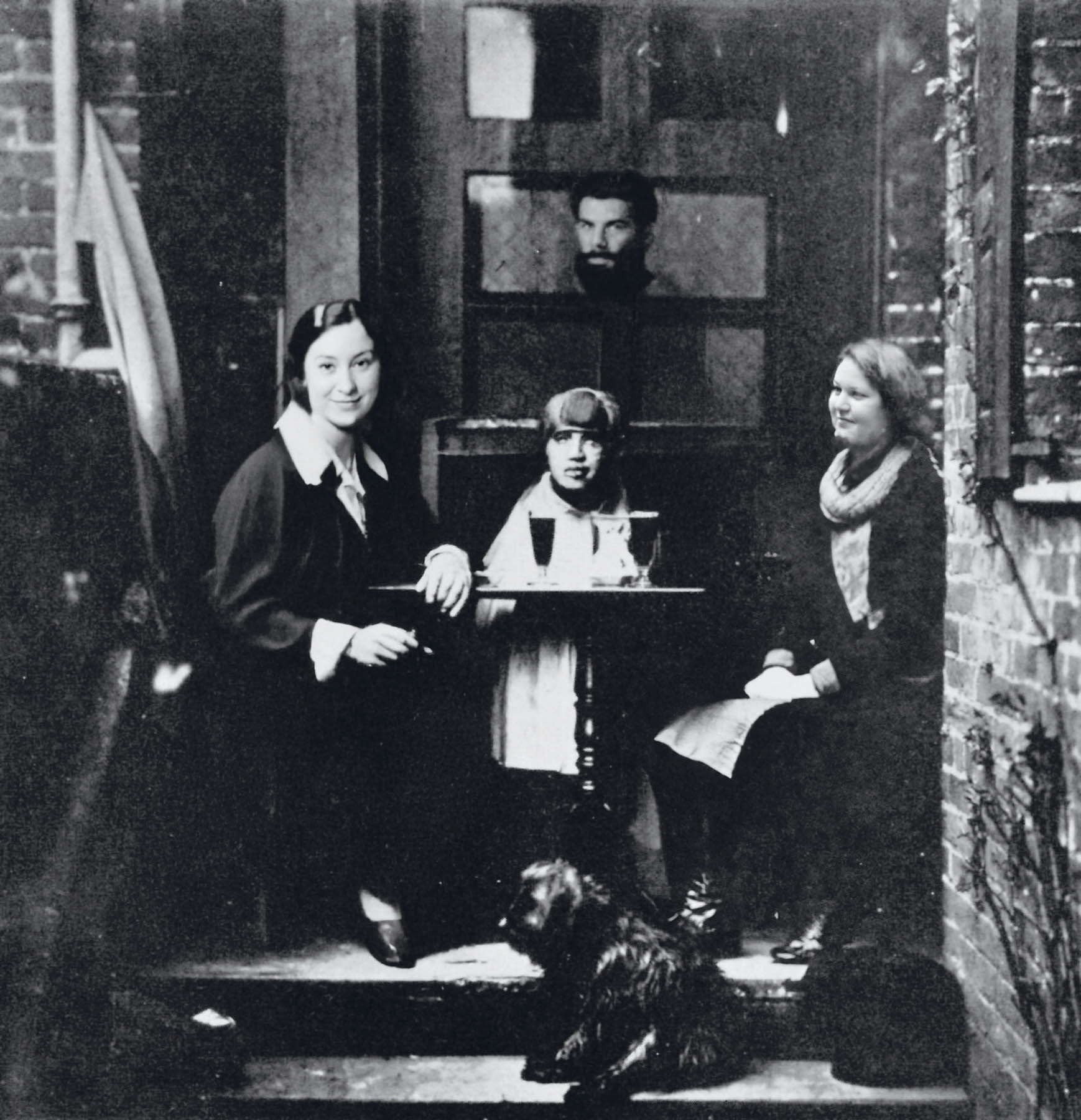
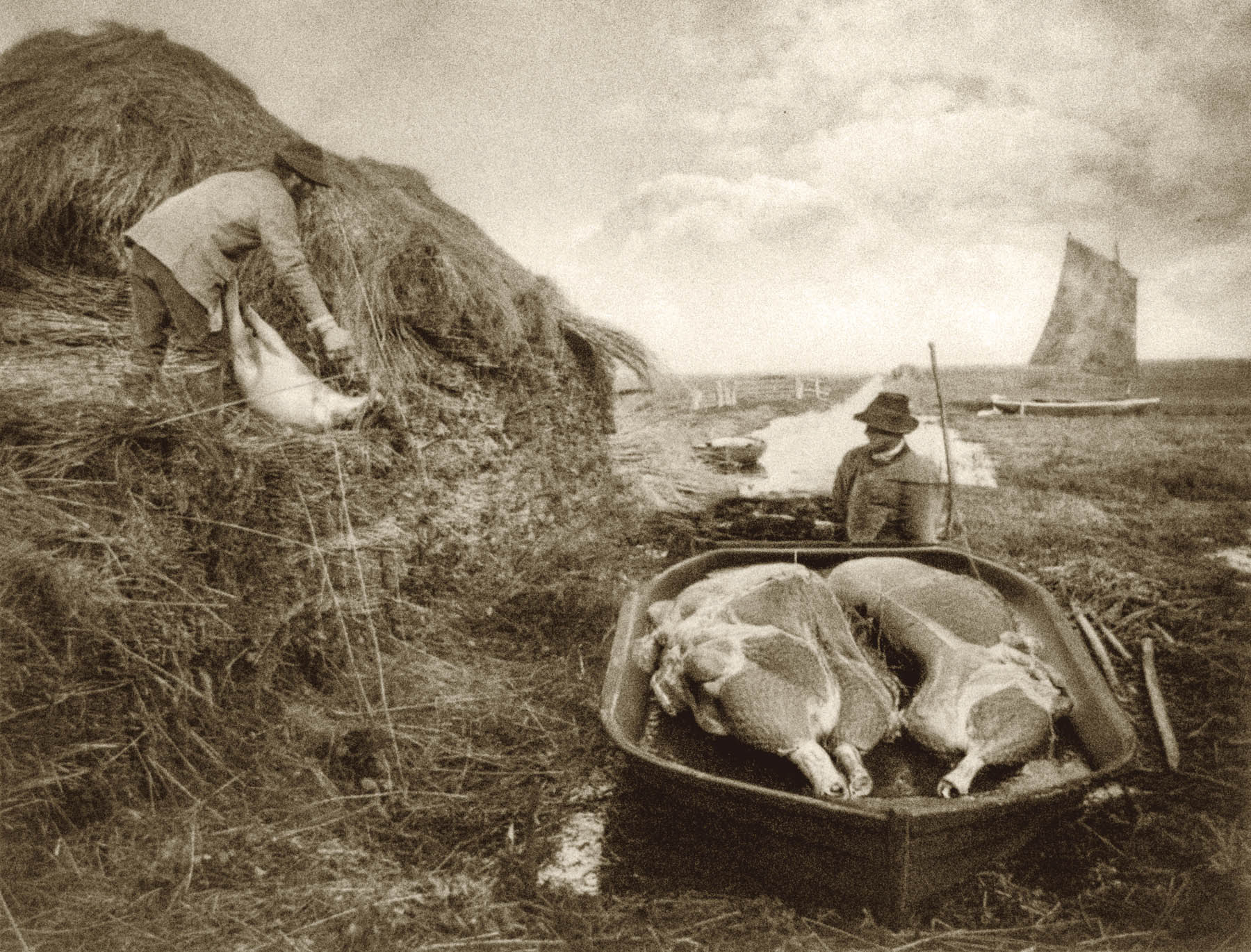


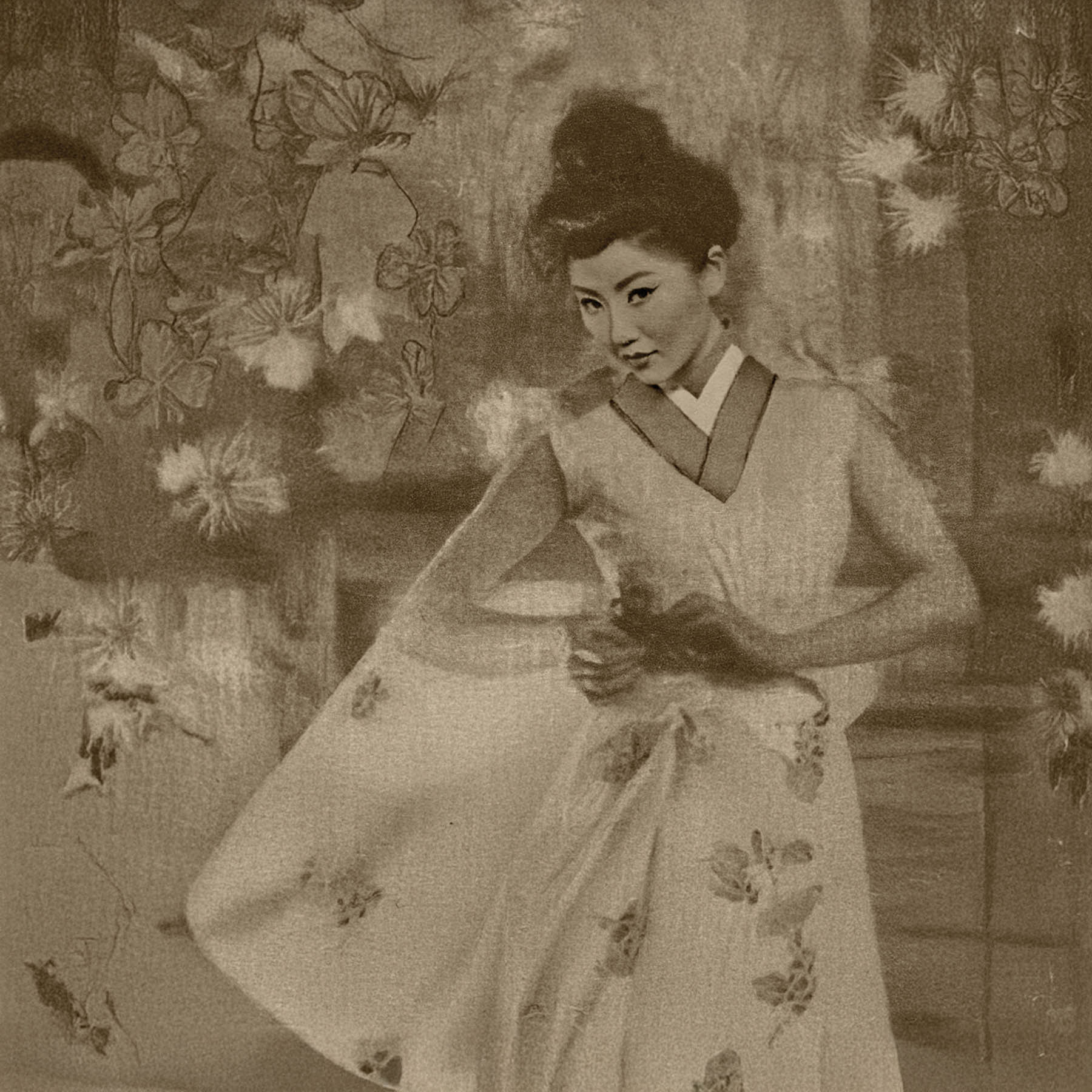
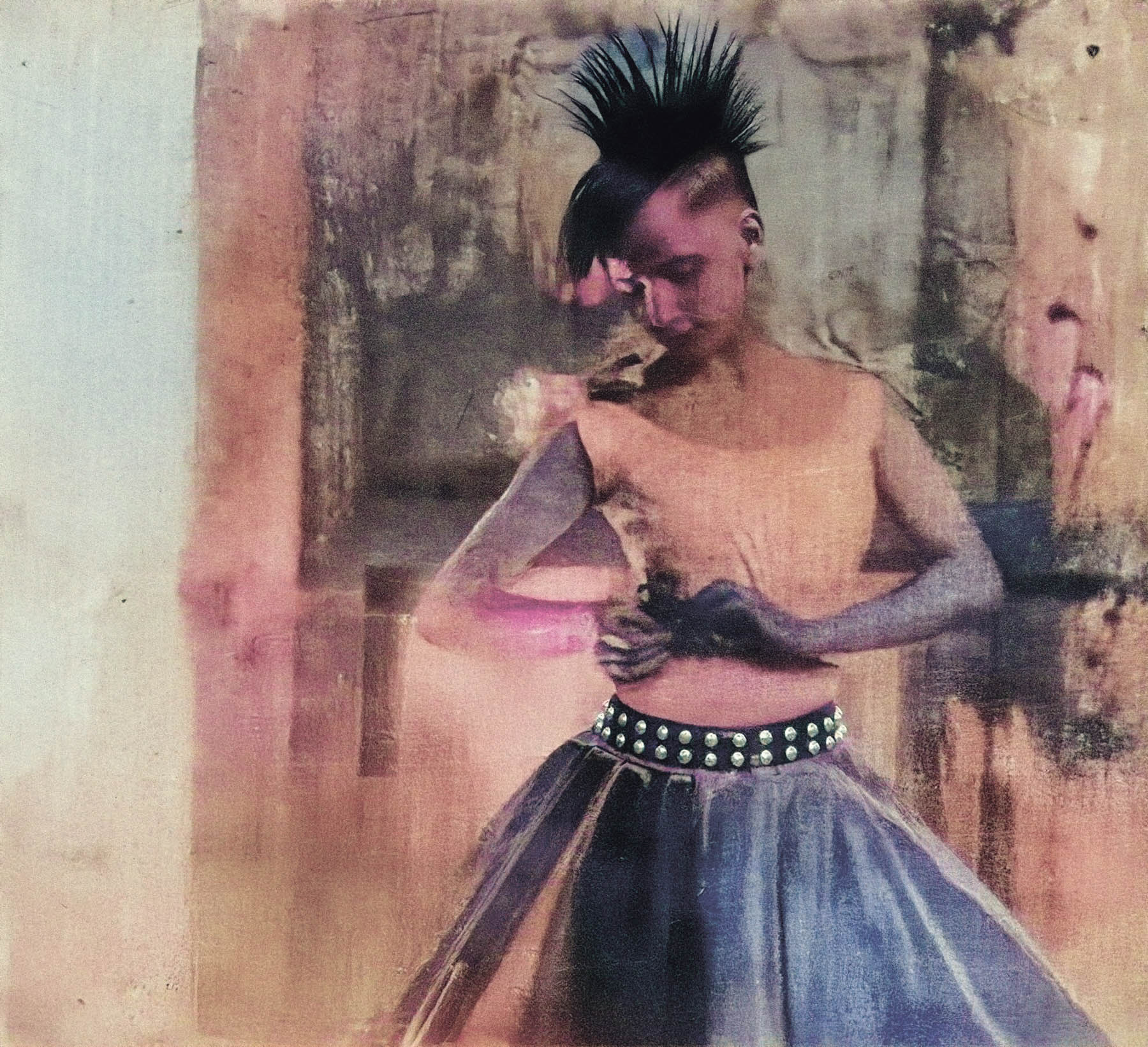
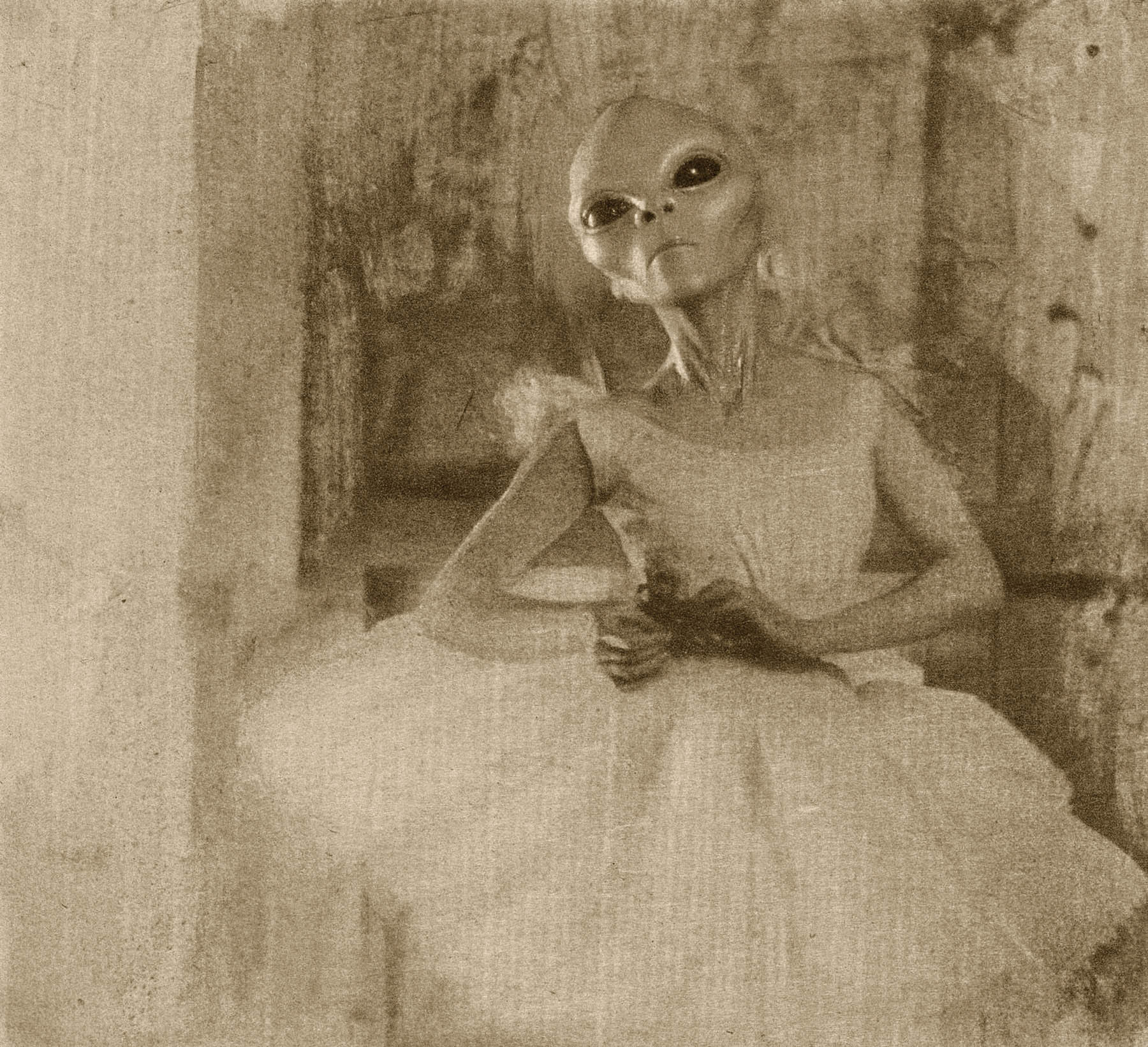
2024. When we look at an image, we grasp what is essential. As Rudolf Arnheim notes, “visual perception does not operate with the mechanical fidelity of a camera, which records everything impartially.” We do not observe every detail; instead, we retain a general schema composed of dominant features. These few structural elements are enough for an object to appear to us as a coherent whole. Arnheim also points out that memory influences perception: the traces of familiar forms act as a reference, meaning that what we see is not limited to the present moment but is connected to countless previous experiences. Thus, different images with similar forms or structures may be perceived as related entities. When this occurs in photography, the phenomenon intensifies. Students, amateurs, and professionals—trained within the history of the discipline—consciously or unconsciously produce images that repeat established patterns, generating almost endless variations on those representations. The project Industrial Resonances explores this terrain by creating reinterpretations of historical photographs through the transformation of some of their elements, using retouching tools and artificial intelligence. The aim is to test the extent to which formal similarities provoke inevitable associations with shared photographic references. The reiteration of certain essential components, replicated time and again, underpins the notion of a visual production over time that is almost mimetic.